Choosing the wrong mushroom manufacturer rarely causes problems with the first shipment—it creates problems with the third or tenth. Batch inconsistency, excessive moisture, pesticide residue exceeding destination-country limits, or unclear origin documentation can all disrupt long-term procurement. For international buyers, the most reliable solution is to evaluate suppliers through four measurable factors: verified origin, standardized processing, internationally recognized food safety systems, and full batch traceability. Price should be compared only after these fundamentals have been confirmed.
| Procurement Criterion | Why It Matters | What Buyers Should Verify | Potential Risk if Ignored |
|---|---|---|---|
| Origin Authenticity | Determines consistency, flavor, and supply stability | Geographical origin, cultivation records, traceability | Mixed-origin products, inconsistent quality |
| Food Safety System | Ensures export compliance | HACCP, ISO 22000, laboratory reports | Import rejection or product recalls |
| Processing Capability | Influences shelf life and sensory quality | Drying technology, moisture control, grading standards | Mold growth, shortened shelf life |
| Supply Capacity | Supports long-term business growth | Annual production volume, inventory planning, delivery performance | Delayed shipments and unstable supply |
For procurement managers, private-label brands, food processors, and nutraceutical manufacturers, the challenge is no longer finding a mushroom supplier—it is identifying one capable of delivering consistent quality across multiple harvest seasons and international markets. Based on our experience with nearly three decades of exporting dried mushrooms to global customers, reliable manufacturing begins long before packaging. It starts with cultivation practices, origin management, processing discipline, and quality assurance systems that withstand international audits. According to the Food and Agriculture Organization (FAO) and international food safety regulations, traceability and preventive quality management have become essential requirements throughout modern food supply chains, particularly for products entering the European Union and North America.1
Why the Origin of Your Mushrooms Matters More Than the Price
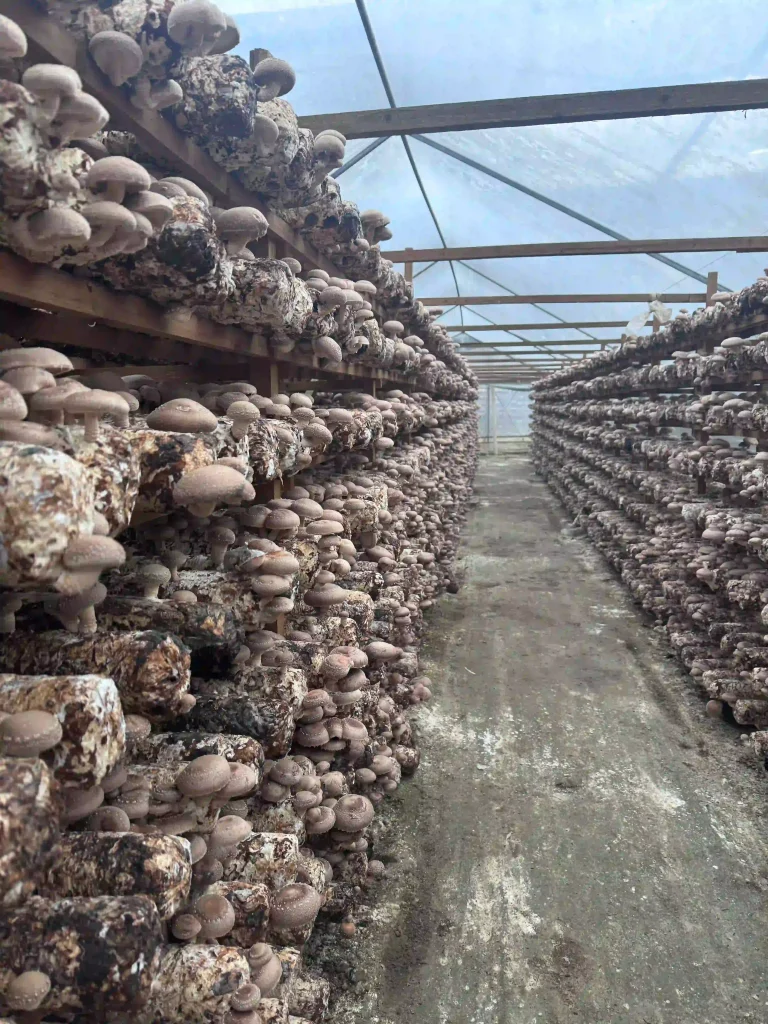
mushroom manufacturer
For dried shiitake mushrooms, origin is not simply a geographical label. It directly influences raw material quality, flavor development, nutritional composition, harvest consistency, and long-term supply reliability. Buyers comparing quotations from different suppliers often focus on unit price, yet the production environment behind each kilogram of mushrooms can vary significantly.
Among China’s producing regions, Qingyuan County has earned international recognition as the country’s historic shiitake production center. Often referred to as the “Home of Shiitake Mushrooms in China,” Qingyuan has cultivated shiitake for centuries, with production knowledge passed through generations. This accumulated expertise has contributed to highly standardized cultivation techniques and a mature industrial ecosystem that supports commercial exports.
For B2B buyers, the value of origin lies in repeatability. A supplier operating within an established production region typically benefits from stable raw material availability, experienced growers, specialized processing facilities, and quality management systems refined over decades. These advantages become especially important for retailers and food manufacturers requiring consistent specifications throughout the year.
Why Geographical Origin Influences Product Quality
Growing conditions shape nearly every characteristic of dried shiitake mushrooms.
Climate, elevation, forest ecology, water quality, and cultivation methods all influence cap thickness, aroma compounds, texture, and post-harvest performance. Regions with favorable natural conditions generally produce mushrooms exhibiting better uniformity and stronger market acceptance.
Authentic production areas also tend to maintain more mature agricultural management systems, reducing variability between harvests. This consistency is particularly valuable for food processors that rely on standardized raw materials to maintain product formulations.
The difference extends beyond appearance.
Uniform moisture distribution reduces storage risks. Better-developed mushroom tissue contributes to improved rehydration performance. Stable cultivation practices make grading more predictable, helping buyers minimize unexpected quality variations across containers.
Why Protected Origin Creates Greater Procurement Confidence
Protected geographical origin is becoming increasingly important within international food supply chains.
Rather than functioning solely as a marketing label, geographical indication systems establish stronger links between production location, cultivation standards, and product authenticity. For importers, this additional layer of verification helps reduce sourcing risks associated with origin substitution or mixed-regional products.
Manufacturers sourcing directly from recognized production areas can generally provide more comprehensive documentation, including cultivation records, batch identification, and supply chain traceability. These capabilities simplify quality verification before export while strengthening confidence among distributors and retail buyers.
What Procurement Managers Should Verify Before Approving a Mushroom Manufacturer
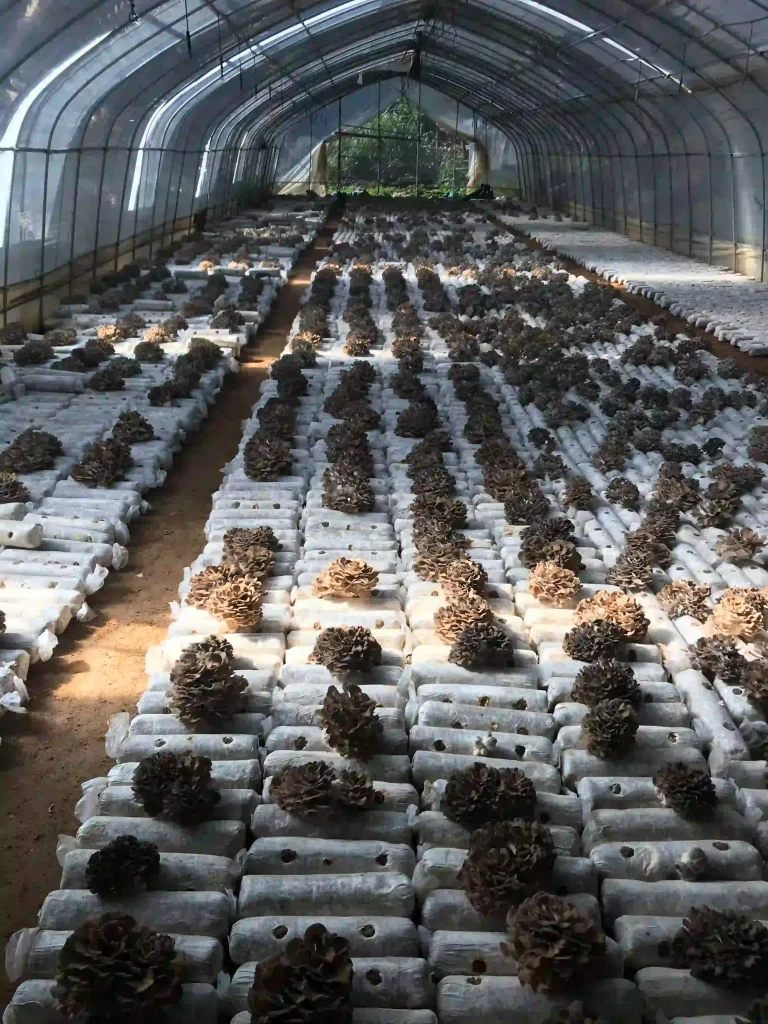
mushroom manufacturer
Evaluating a mushroom manufacturer should involve considerably more than reviewing certifications displayed on a website.
International procurement teams increasingly perform comprehensive supplier assessments that examine manufacturing capability, food safety systems, production transparency, and operational stability. A factory that satisfies these criteria is better positioned to support long-term commercial partnerships rather than occasional transactions.
Can the Factory Provide Complete Farm-to-Batch Traceability?
Traceability has become one of the strongest indicators of manufacturing maturity.
Every export shipment should be traceable back through production records to cultivation batches, processing dates, inspection reports, and packaging information. This capability enables manufacturers to respond rapidly if quality investigations or regulatory inquiries arise.
A comprehensive traceability system typically includes:
- Cultivation location records
- Harvest dates
- Batch coding
- Drying logs
- Quality inspection documentation
- Packaging records
- Shipment identification
For buyers serving highly regulated markets, complete traceability reduces operational risk while supporting regulatory compliance.
Does the Manufacturer Control Cultivation, Processing, and Export?
Many suppliers act primarily as trading companies, purchasing mushrooms from multiple independent sources before consolidating shipments.
While this model may satisfy short-term purchasing needs, it often introduces greater variability in product quality.
Manufacturers with integrated operations generally maintain stronger control over every production stage—from raw material selection to drying, grading, packaging, and export documentation. This vertical integration improves consistency while reducing communication delays when buyers require customized specifications.
Based on our experience with international procurement programs, vertically integrated manufacturers typically resolve quality issues faster because cultivation, processing, and quality management operate under unified supervision rather than across multiple independent suppliers.
| Supplier Evaluation Factor | Trading Company | Integrated Manufacturer | Buyer Advantage |
|---|---|---|---|
| Raw Material Control | Limited | Full supervision from cultivation | Higher consistency |
| Batch Traceability | Often incomplete | End-to-end documentation | Easier compliance |
| Quality Inspection | Depends on external suppliers | Internal quality management plus third-party verification | Lower quality risk |
| Production Scheduling | Limited flexibility | Coordinated production planning | More reliable lead times |
| Product Customization | Restricted | Flexible grading and packaging options | Better fit for private-label and industrial applications |
Are Production Capacities Stable Throughout the Year?
Seasonality remains a major concern for international buyers.
A manufacturer’s ability to maintain stable inventory depends on harvest planning, storage management, processing capacity, and long-term relationships with cultivation partners.
Reliable suppliers invest in production forecasting rather than relying solely on spot purchasing. They can communicate realistic lead times, prepare inventory for recurring orders, and maintain specification consistency across multiple shipments.
For large food manufacturers, this stability often matters more than achieving the lowest purchase price. A delayed container or inconsistent shipment can interrupt production schedules, increase operational costs, and weaken downstream customer relationships.
Rigorous Dehydration Standards: Ensuring Long Shelf Life and Export Stability
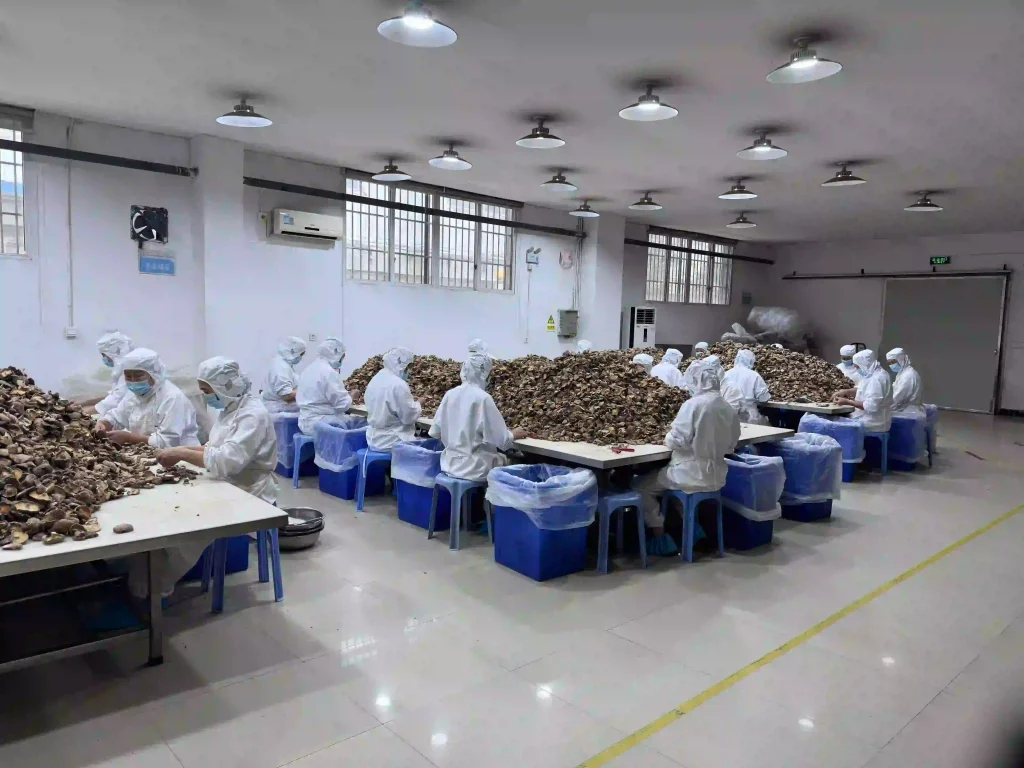
reliable mushroom manufacturer
For international mushroom buyers, dehydration is not simply a production step—it is a quality control barrier that determines whether products can survive long-distance transportation, warehouse storage, and changing climate conditions.
A reliable mushroom manufacturer must demonstrate precise control over moisture content, drying temperature, airflow management, and final product inspection. Poor dehydration can create hidden risks: reduced aroma, fragile texture, microbial growth, and shortened shelf life.
For premium dried shiitake mushrooms, maintaining moisture content below 13% is widely considered an important benchmark for stable storage. However, moisture level alone does not define quality. The drying method, processing environment, and post-drying handling procedures directly influence the final product performance.
Sun-Dried vs Machine-Dried Shiitake: What Global Buyers Should Understand
Many buyers assume traditional sun drying automatically represents higher quality. The reality is more complex.
Natural sun drying has been used in Qingyuan mushroom production for generations because sunlight exposure can enhance characteristic aroma development through slow dehydration. However, environmental factors such as humidity, temperature fluctuations, and weather conditions can influence consistency.
Modern mechanical drying provides stronger process control, allowing manufacturers to maintain stable temperature, airflow, and production schedules required for international supply chains.
A professional manufacturer should understand when and how to apply each method rather than relying on a single approach.
| Drying Method | Key Advantages | Potential Limitations | Suitable Buyer Requirements |
|---|---|---|---|
| Traditional Sun Drying | Natural aroma development, traditional processing heritage | Weather dependency, longer processing time | Premium specialty food markets |
| Hot Air Mechanical Drying | Stable temperature control, consistent moisture reduction | Requires precise equipment management | Large-scale food manufacturing |
| Hybrid Drying System | Combines traditional quality with industrial consistency | Higher operational requirements | Export brands requiring both quality and reliability |
At Jiangyuan Mushroom, processing decisions are based on product specifications rather than production convenience. Different buyers require different standards—retail packaging, ingredient processing, and nutraceutical applications may have different expectations for texture, color, aroma, and nutritional preservation.
Why Moisture Control Determines Export Performance
Moisture management affects almost every stage of the supply chain.
During ocean transportation, containers may experience temperature changes and condensation risks. Mushrooms with excessive residual moisture are more vulnerable to mold development, quality deterioration, and customer complaints.
Professional manufacturers monitor:
- Final moisture percentage
- Water activity levels
- Packaging conditions
- Storage environment
- Container loading procedures
This approach reduces quality fluctuations after products leave the factory.
Export Food Safety Standards Every Global Buyer Should Require
Food safety is the foundation of international mushroom trade.
A manufacturer may have attractive pricing and strong production capacity, but without a systematic food safety program, buyers face unnecessary compliance risks. Import regulations in markets such as the European Union and the United States require increasingly detailed documentation covering pesticide residues, contaminants, microbiological safety, and production traceability. A Guide to Factory-Grown vs. Wild Mushrooms: B2B Sourcing and Risks.
A reliable mushroom manufacturer should operate under preventive food safety principles rather than relying only on final product inspection.
HACCP and ISO 22000: Evaluating More Than Certificates
Many suppliers display certificates on websites, but experienced procurement teams examine how these systems are implemented.
A meaningful HACCP system identifies potential hazards throughout production:
- Raw material contamination risks
- Drying process control points
- Foreign material prevention
- Packaging hygiene
- Storage management
ISO 22000 certification demonstrates a structured food safety management framework integrating hazard control, communication procedures, and continuous improvement.
Certificates provide evidence. Production discipline creates reliability.
EU and FDA Compliance: Managing Pesticide Residues and Heavy Metals
Different markets establish different regulatory requirements. Export manufacturers must understand destination-country standards before production and shipment.
For European buyers, compliance with EU Maximum Residue Limits (MRLs) is a critical consideration. For U.S. buyers, manufacturers must understand FDA import requirements and food safety expectations under the Food Safety Modernization Act (FSMA).
Key testing areas usually include:
| Quality Control Category | Testing Purpose | Typical Buyer Concern | Documentation Provided |
|---|---|---|---|
| Pesticide Residue Analysis | Verify agricultural safety | Products exceeding EU MRL limits | Laboratory testing report |
| Heavy Metal Testing | Control environmental contamination | Lead, cadmium, mercury risks | COA / third-party report |
| Microbiological Testing | Confirm product hygiene | Mold, yeast, bacterial contamination | Quality inspection record |
| Moisture & Water Activity | Ensure storage stability | Mold growth during shipping | Production analysis data |
| Physical Inspection | Maintain grade consistency | Broken pieces, discoloration, foreign materials | Batch inspection report |
Based on our experience with international food supply chains, professional buyers increasingly request complete quality documentation before approving suppliers. This reduces delays during customs clearance and strengthens confidence between manufacturers and importers.
How Experienced Manufacturers Maintain Consistent Quality Across Multiple Shipments

mushroom manufacturer
Consistency separates long-term suppliers from temporary exporters.
For supermarket chains, food ingredient companies, and supplement manufacturers, one container of excellent mushrooms is not enough. The supplier must reproduce the same quality profile repeatedly.
A mature quality management system normally includes three stages:
Raw Material Selection
Premium shiitake production begins with controlled raw materials.
Manufacturers evaluate:
- Mushroom variety
- Growing environment
- Cap size
- Thickness
- Aroma intensity
- Harvest condition
Only qualified raw materials should enter export production.
Multi-Stage Sorting and Grading
Professional grading systems classify mushrooms according to buyer requirements.
Common evaluation factors include:
- Cap diameter
- Color uniformity
- Stem length
- Dryness level
- Physical integrity
This allows manufacturers to provide customized specifications for different markets.
Export Packaging Protection
Packaging must protect mushrooms throughout international logistics.
Important considerations include:
- Moisture barrier materials
- Food-grade inner packaging
- Vacuum or nitrogen solutions when required
- Container humidity management
A reliable supplier considers the entire journey—not only the factory exit point.
Sustainability Is Becoming a Procurement Requirement
Global food companies increasingly evaluate suppliers through environmental and social responsibility standards.
Sustainable mushroom production can include:
- Efficient energy use during drying
- Responsible cultivation practices
- Reduced processing waste
- Optimized transportation packaging
For international buyers, sustainability is no longer only a corporate image issue. It affects supplier selection, retailer approval, and long-term partnership decisions.
Manufacturers that combine traditional agricultural knowledge with modern production management are better positioned to meet future procurement expectations.
FAQ: Questions Global Buyers Ask Before Choosing a Mushroom Manufacturer
1. How can I verify whether a mushroom manufacturer is a direct source factory?
A reliable factory should provide production information including cultivation relationships, processing facilities, quality control procedures, export history, and batch traceability records. Buyers should avoid suppliers who cannot clearly explain where mushrooms originate or how quality is controlled.
2. What certifications should a dried mushroom supplier have for EU and US markets?
Most professional buyers look for food safety systems such as HACCP and ISO 22000, along with product-specific laboratory testing covering pesticide residues, heavy metals, microbiological safety, and moisture content.
3. Why is Qingyuan shiitake mushroom considered a premium origin?
Qingyuan has a long history of shiitake cultivation and is recognized as an important production region in China. The combination of traditional cultivation knowledge, suitable growing conditions, and established processing experience contributes to consistent product quality.
4. How do I compare sun-dried and machine-dried mushrooms when selecting a supplier?
The best choice depends on your market requirements. Sun drying may provide traditional aroma characteristics, while mechanical drying offers stronger consistency and production control. Experienced manufacturers should provide both technical knowledge and customized solutions.
5. What documents should I request before placing a large mushroom order?
Global buyers should request:
- Product specification sheet
- Certificate of Analysis (COA)
- Food safety certificates
- Traceability information
- Residue testing reports
- Packaging details
- Export experience documentation
Expert Verdict
A reliable mushroom manufacturer is not defined by the lowest quotation. It is defined by origin control, scientific processing, transparent testing, and the ability to deliver identical quality shipment after shipment.
For global buyers building long-term food brands, choose a supplier that can prove every stage—from cultivation field to export container. That is where procurement confidence begins.
References: