A reliable wholesale dried shiitake mushroom supplier for restaurants must deliver more than an attractive price per kilogram. Restaurant buyers need consistent flavor, clearly defined product grades, dependable bulk packaging, verifiable quality documentation, and supply arrangements that support daily kitchen operations. A low quotation loses its appeal quickly if the mushrooms arrive with excessive broken pieces, inconsistent cap sizes, or specifications that differ from the approved sample.
For restaurant groups, foodservice distributors, and commercial kitchens, the practical starting point is to compare suppliers against the same written specification.
| Purchasing Factor | What Buyers Should Verify | Why It Matters |
|---|---|---|
| Product form | Whole caps, sliced mushrooms, or broken pieces | Determines suitability for specific recipes |
| Grade consistency | Cap diameter, thickness, color, and defect tolerance | Supports predictable preparation and presentation |
| Quality specifications | Moisture requirements, foreign matter limits, and sensory characteristics | Helps define product acceptance criteria |
| Food safety | Relevant certificates, test reports, and batch records | Supports supplier approval and risk management |
| Commercial terms | MOQ, pack size, lead time, and quotation basis | Makes supplier offers comparable |
| Supply continuity | Available stock, replenishment arrangements, and production lead times | Reduces the risk of kitchen shortages |
According to the Centre for the Promotion of Imports from developing countries (CBI), European buyers of dried mushrooms commonly assess moisture, sizing, product style, quality class, and food safety documentation. Its market-entry guidance cites a maximum moisture benchmark of 13% for dried shiitake mushrooms in this context. Buyers should confirm the applicable requirement for their destination, product specification, and contractual terms rather than treating this figure as a universal legal limit.
The principle is straightforward: define what acceptable product looks like before comparing prices. That decision protects both the kitchen and the purchasing budget.
What Restaurants Should Look for in a Wholesale Dried Shiitake Supplier
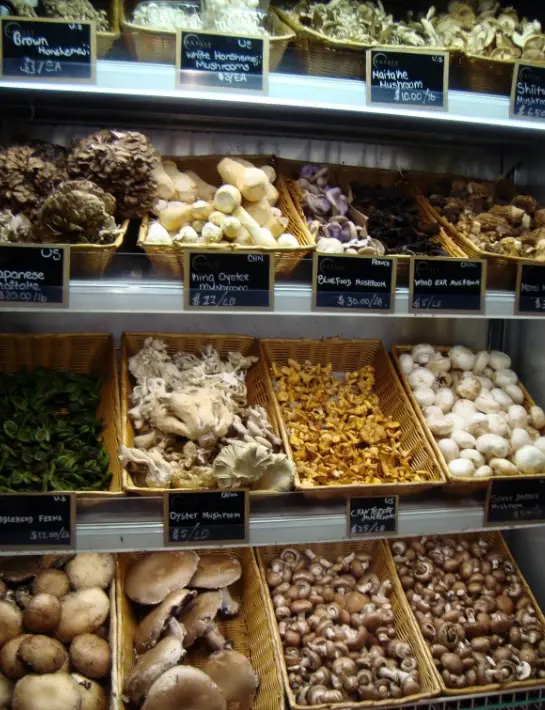
What Restaurants Should Look for in a Wholesale Dried Shiitake Supplier
Restaurant procurement is different from buying mushrooms for occasional home cooking. A restaurant may need the same ingredient to perform consistently across several dishes, multiple kitchen teams, and repeated deliveries. The supplier must therefore satisfy both product requirements and operational expectations.
Consistent Product Specifications and Repeat-Order Quality
Shiitake mushrooms (Lentinula edodes) change in appearance according to growing conditions, maturity, drying method, and grading practices. Even when two suppliers use the same commercial grade name, the actual products may differ.
For that reason, buyers should avoid relying on labels such as “premium,” “extra quality,” or “restaurant grade” without supporting definitions. These terms do not automatically establish a universal grading standard.
A more useful specification records measurable or observable characteristics:
- Cap diameter and thickness range.
- Whole-cap, sliced, or broken-piece format.
- Stem inclusion or trimming requirements.
- Acceptable color variation and visible defects.
- Aroma and flavor expectations after preparation.
- Agreed moisture limits and measurement methods.
- Tolerance for foreign matter and damaged pieces.
Based on our experience with food ingredient sourcing requirements, the most useful purchasing document is one that connects the approved sample to a written specification. A supplier can then be evaluated against the same criteria during subsequent orders, rather than against a vague expectation that every shipment should simply look “high quality.”
Wholesale Pricing, MOQ, and Supply Availability
The cheapest quotation does not always represent the lowest operating cost. A product with a lower purchase price may require additional sorting, generate more unusable material, or create extra preparation work.
Request comparable quotations from suppliers using the same product form, grade, pack weight, and delivery destination.
| Commercial Factor | Questions to Ask the Supplier | How to Evaluate the Answer |
|---|---|---|
| Unit price | Is the quotation based on kilograms, cartons, or another unit? | Normalize all quotations to the same dry-product weight |
| Minimum order quantity | What is the MOQ for the requested grade and packaging? | Compare the commitment with actual consumption |
| Packaging | Are the mushrooms supplied in bulk cartons or smaller inner packs? | Assess handling, storage, and pack-opening frequency |
| Lead time | Is the quoted lead time based on available stock or new production? | Distinguish confirmed availability from an estimate |
| Freight and delivery | Which transport charges and delivery terms apply? | Calculate the total landed cost |
| Repeat orders | Can the supplier maintain the agreed specification? | Request documented controls and a clear reordering process |
No universal MOQ or wholesale price can be responsibly assigned to every restaurant order. Both depend on the product grade, packaging configuration, order volume, origin, and delivery arrangements.
For smaller restaurants, a local foodservice distributor may offer greater ordering flexibility. Restaurant groups and distributors purchasing larger volumes may also evaluate direct sourcing, provided the order size, import responsibilities, and logistics make commercial sense.
Food Safety Documentation and Batch Traceability
A supplier’s food safety claims should be verifiable. Buyers should request the documentation relevant to their own approval process and destination market, rather than assuming that a logo on a website proves compliance for every product.
Depending on the supplier and market, the purchasing file may include a product specification, applicable laboratory reports, lot identification, traceability records, and current food safety certification documents.
The critical distinction is between a supplier’s general credentials and evidence for the specific product being purchased. Certification scope, facility identity, validity, and product relevance all matter.
Packaging, Delivery, and Replenishment Support
Dried mushrooms are shelf-stable ingredients, but that does not make packaging and warehouse handling unimportant. Moisture exposure, damaged seals, poor storage conditions, and repeated opening of large packs can compromise product condition.
Ask how the product is packed, how storage conditions are specified, and how batch numbers remain identifiable after receipt. For restaurant groups with central purchasing, consistent carton labeling and clear product identification can also simplify stock rotation and internal distribution.
A capable supplier should be able to explain the available packaging options and the conditions attached to each one. Buyers should confirm actual availability, production lead time, and any customized packaging requirements before committing to an order.
How to Compare Wholesale Dried Shiitake Prices and Usable Costs
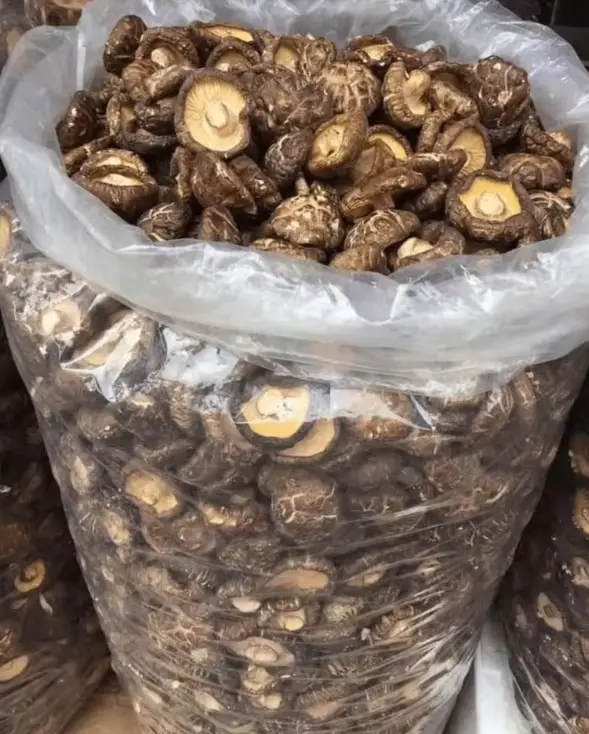
How to Compare Wholesale Dried Shiitake Prices and Usable Costs
When comparing suppliers, restaurant buyers should look beyond the quoted price per kilogram. The more useful figure is the cost of the mushroom ingredient that actually reaches the plate.
A simple calculation can make competing quotations easier to evaluate:

For example, a buyer comparing whole caps with sliced or broken mushrooms should record the purchase price, freight, sorting losses, trimming requirements, and preparation yield. Rehydration results should be measured using the same soaking time, water temperature, draining procedure, and trimming rules. Otherwise, the comparison may be misleading.
Do not assume that a lower-grade product is automatically cheaper to use. It may perform well in a broth or sauce, but be unsuitable for a dish where whole caps are part of the presentation.
Quality Assurance: A Practical Supplier Evaluation Checklist
Before approving a bulk order, restaurant procurement teams should assess the product, the supplier’s documentation, and the commercial terms together.
| QA Dimension | What to Inspect or Request | Recommended Purchasing Control |
|---|---|---|
| Physical quality | Cap integrity, color, foreign matter, insect damage, and broken-piece ratio | Define acceptance criteria before ordering |
| Moisture | Agreed moisture specification and measurement method | Verify against the applicable product and market requirements |
| Sensory quality | Characteristic shiitake aroma and absence of abnormal odors | Compare samples under consistent conditions |
| Food safety | Relevant laboratory reports and food safety documentation | Verify scope, dates, product identity, and laboratory credentials |
| Traceability | Lot number, production information, and shipment records | Retain records linked to each delivery |
| Packaging | Seal integrity, packaging suitability, and readable batch identification | Inspect upon receipt and document damage |
| Repeat-order consistency | Comparison with the approved sample and specification | Establish a process for handling deviations |
The European market guidance published by the Centre for the Promotion of Imports from developing countries identifies moisture, sizing, quality class, foreign materials, and product style as important dried mushroom quality considerations. It also recommends suitable storage conditions and the use of appropriately accredited laboratories for testing. Requirements must still be checked against the applicable destination market and buyer specification.
For restaurant operators, quality assurance does not end when a supplier sends a certificate. Incoming inspection, correct storage, batch identification, and proper kitchen handling remain important.
Food Safety, Storage, and Traceability for Restaurant Buyers
Dried shiitake mushrooms have a low moisture content, but they should not automatically be treated as microbiologically risk-free. Drying can inhibit microbial growth without necessarily eliminating harmful microorganisms already present.
Restaurant buyers should therefore evaluate the supplier’s preventive controls and establish safe handling procedures for the kitchen.
What Should Buyers Verify Before Importing?
For international purchases, the required documents depend on the destination country, product classification, intended use, and applicable import rules. A purchasing checklist may include:
- Product specification and ingredient information.
- Relevant food safety certificates and their verified scope.
- Applicable laboratory test reports.
- Batch identification and traceability documentation.
- Packaging and labeling information.
- Required customs and import documentation.
For US buyers, verify applicable FDA requirements and import obligations. For European buyers, confirm relevant EU food safety, contaminant, labeling, and import requirements. A certificate alone does not establish that every shipment complies with every destination-market requirement.
How to Store Bulk Dried Shiitake Mushrooms
Store unopened product according to the supplier’s instructions, keeping it in a cool, dry environment away from direct sunlight, moisture, strong odors, and potential contamination sources. After opening, reseal the packaging appropriately and use clean, dry handling equipment.
Restaurant teams should also maintain lot numbers and date information through storage and preparation. Research on dried mushroom handling in US Asian restaurants has highlighted gaps in package-information tracking and awareness of low-moisture food safety risks. Although that research focused on dried wood ear mushrooms rather than shiitake, it reinforces the importance of documented handling procedures for dried mushroom ingredients.
Why Consider a China-Based Dried Shiitake Mushroom Supplier?
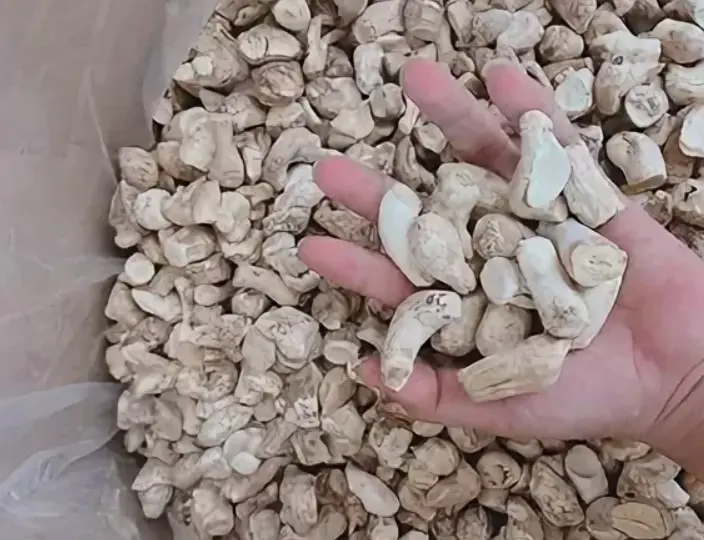
Why Consider a China-Based Dried Shiitake Mushroom Supplier
China-based suppliers may be worth evaluating when restaurant distributors or foodservice groups need commercial quantities, multiple product formats, or customized packaging. However, country of origin alone does not establish quality, value, or reliability.
WUSANGONG’s company information identifies Qingyuan, Zhejiang, as its home base and describes an integrated edible mushroom business covering sourcing, processing, grading, packaging, and sales. Its dried shiitake range is relevant to buyers considering whole mushrooms, sliced formats, and smaller pieces for different culinary applications.
Before committing to a large order, buyers should request the specific grade, available pack sizes, quotation basis, production lead time, and relevant quality documentation. Sample approval should precede a substantial purchase wherever practical.
For restaurant groups and distributors, the best sourcing arrangement is the one that fits actual demand and can demonstrate repeatable product quality. A factory-direct quotation may be commercially attractive, but freight, import responsibilities, order size, and inventory requirements must be considered alongside the unit price.
Frequently Asked Questions About Wholesale Dried Shiitake Mushrooms
1. Where Can Restaurants Buy Dried Shiitake Mushrooms in Bulk?
Restaurants can source through local foodservice distributors, specialist Asian food wholesalers, or direct suppliers and exporters. Compare product specifications, minimum order quantities, delivery arrangements, and documentation before choosing a channel.
2. What Is the Minimum Order Quantity for Wholesale Dried Shiitake Mushrooms?
MOQ varies by supplier, grade, packaging format, stock availability, and whether custom packaging is required. Ask for the minimum order for the exact product specification rather than relying on a general wholesale MOQ.
3. Are Whole or Sliced Dried Shiitake Mushrooms Better for Restaurants?
Whole caps are often appropriate for dishes where appearance matters. Sliced mushrooms can reduce preparation work in soups, noodles, and stir-fries, while broken pieces may suit broths and sauces. The most economical format depends on recipe requirements and usable yield.
4. What Documents Should a Wholesale Dried Shiitake Supplier Provide?
Depending on the destination market and buyer’s approval process, request a product specification, applicable food safety documentation, relevant laboratory reports, lot identification, traceability records, and required import documents. Verify the validity and relevance of each document.
5. How Can Restaurants Compare Wholesale Dried Shiitake Prices Fairly?
Compare suppliers using the same dry-product weight, product grade, packaging format, and delivery basis. Then account for freight, preparation losses, and measured usable yield. The lowest quoted price per kilogram may not produce the lowest cost per usable ingredient kilogram.
Expert Verdict: Approve the Specification Before the Supplier
A dependable wholesale dried shiitake mushroom supplier for restaurants should be able to explain its product specifications, support relevant quality claims with documentation, and clarify the commercial terms behind each quotation.
My recommendation: Start with a written specification, compare representative samples, calculate usable ingredient cost, and verify the documentation before placing a substantial order. For WUSANGONG, this is also the strongest way to demonstrate sourcing capability and earn the confidence of serious foodservice buyers — through evidence, not promises.
References: