A reliable mushroom traceability system helps importers connect a shipment to its available source records, processing history, batch identification, and supporting quality documents. For international buyers, the real test is not whether a supplier prints a batch number on a carton. It is whether that number leads to consistent, retrievable records when a shipment arrives with a quality issue, a customer requests documentation, or a recall investigation begins.
Consider a common procurement dilemma. A container of dried shiitake mushrooms reaches its destination, but the buyer discovers inconsistencies between the carton labels and the accompanying documents. The mushrooms may look acceptable, yet the purchasing team cannot confidently connect the shipment to the relevant production lot. The problem has moved beyond appearance or price. It has become a question of evidence.
For importers sourcing dried shiitake, fresh shiitake, black fungus, or processed mushroom ingredients, traceability should be evaluated before an order is approved. Three questions provide a practical starting point:
- Origin: Can the supplier identify the available source or raw-material records associated with the lot?
- Processing: Can the supplier connect the relevant sorting, grading, drying, or other processing records to the finished product?
- Shipment: Do the batch identifiers and supporting documents consistently identify the goods being purchased?
These checks do not guarantee food safety, but they help buyers identify documentation gaps before those gaps become expensive operational problems.
What Is a Mushroom Traceability System?
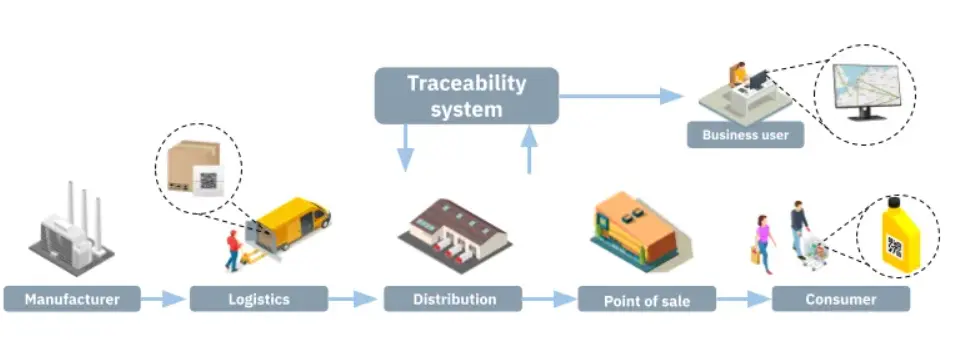
What Is a Mushroom Traceability System
A mushroom traceability system is the combination of identification methods, records, and procedures used to track mushroom products through relevant stages of the supply chain. Depending on the supplier and product, it may connect raw-material receipt, processing, packaging, storage, and shipment records.
The system can be paper-based, digitally managed, or a combination of both. Sophisticated software is not automatically superior to a well-maintained manual process. What matters is whether the records are accurate, consistently linked, accessible, and appropriate for the product and applicable requirements.
For B2B buyers, traceability is best understood as a chain of evidence rather than a technology feature.
Traceability, Batch Coding, and Food-Safety Testing Are Different
These terms are closely related, but they answer different questions.
| Element | Main purpose | Evidence to request | What it does not prove |
|---|---|---|---|
| Batch or lot code | Identifies a defined product lot | Label, packaging record, or lot register | The actual origin or safety of the product |
| Traceability records | Connect a lot with relevant supply-chain activities | Source, processing, packaging, and shipment records, as applicable | That every recorded statement is independently verified |
| Laboratory testing | Assesses specified hazards or quality characteristics | Relevant laboratory report and sample identification | That every unit in the shipment has been tested |
| HACCP documentation | Describes a hazard-analysis and control approach | Relevant plan, procedures, and implementation records | That a particular shipment is free of every hazard |
| Certification documents | Demonstrate conformity within a defined certification scope | Current certificate, issuing body, scope, and validity | Universal compliance with every destination-market requirement |
A buyer should review these elements together without treating one as a substitute for another. A laboratory report without a clear connection to the purchased lot may have limited value for shipment-specific verification. Equally, an identifiable lot does not establish that the product meets every microbiological, chemical, or physical specification.
Why Mushroom Traceability Matters to Importers
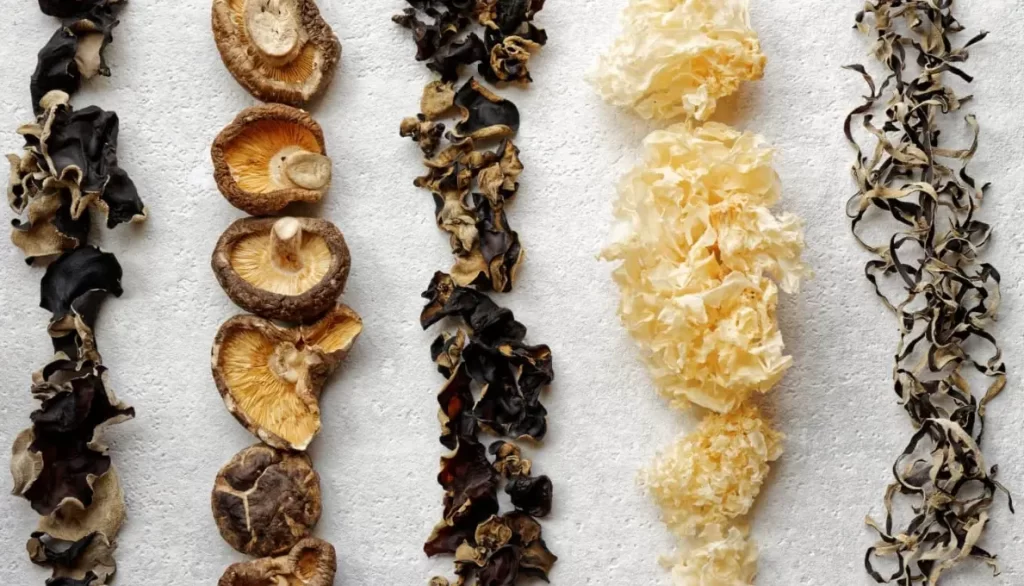
Why Mushroom Traceability Matters to Importers
Traceability becomes commercially important when a buyer must make a decision under pressure. A customer complaint, an audit request, or a suspected contamination event can quickly expose weaknesses that were invisible during routine purchasing.
1. It Helps Narrow the Scope of a Product Investigation
When a quality concern arises, lot-linked records can help a supplier and importer identify which goods may be affected and which records need further review.
According to the U.S. Food and Drug Administration (FDA), the purpose of its Food Traceability Rule is to support faster identification and removal of potentially contaminated food from the market. The rule establishes additional recordkeeping requirements for specified foods and applicable businesses, rather than imposing the same additional requirements on every food product. (FDA: Food Traceability Final Rule).
For a mushroom importer, the practical benefit is better information during an investigation. Records may help distinguish an affected lot from other inventory, provided the identification and linkage are reliable.
2. It Supports Origin and Supplier Verification
Origin is commercially meaningful, particularly when buyers source premium dried shiitake mushrooms or require documented sourcing information for their own customers.
However, a supplier’s address is not proof of where the mushrooms were cultivated. Nor does a country-of-origin statement automatically establish a particular growing region.
Based on our experience with international mushroom sourcing requirements, buyers should distinguish between a supplier’s declared origin, available raw-material records, and evidence connecting those records to the specific goods purchased. These are separate levels of verification and should not be presented as interchangeable.
For WUSANGONG, the company’s stated roots in Qingyuan, Zhejiang, provide relevant business context for buyers interested in Chinese shiitake sourcing. Any shipment-specific origin claim should still be supported by the applicable documentation.
3. It Improves Procurement and Documentation Decisions
A traceability review can reveal problems before goods leave the supplier’s facility. Missing lot references, inconsistent product descriptions, or unclear links between test reports and finished goods are reasons to seek clarification before approving a shipment.
This is especially relevant to food processors and supermarket procurement teams, where incoming ingredients may need to meet internal approval procedures as well as applicable legal requirements.
| Procurement checkpoint | What the buyer should verify | Potential warning sign | Recommended response |
|---|---|---|---|
| Product identity | Species or product description, form, grade, and specification | Documents describe different products | Request corrected or reconciled records |
| Lot identification | Batch number on relevant labels and records | Missing or inconsistent lot references | Ask how the affected lot is identified |
| Processing history | Available records connecting the relevant production stages | No clear link between incoming and finished lots | Request an explanation of the recordkeeping process |
| Quality evidence | Report scope, sample identity, date, and applicable parameters | Report cannot be linked to the product under review | Seek lot-specific clarification or suitable evidence |
| Shipment documents | Product quantities, descriptions, and identifiers | Conflicting information across documents | Resolve discrepancies before shipment approval |
| Record accessibility | Who maintains the records and how they can be retrieved | Supplier cannot explain how records are accessed | Agree on documentation expectations before ordering |
The table is a practical buyer-review framework, not a claim that every listed document is legally mandatory for every mushroom shipment.
How Mushroom Traceability Works from Source to Export
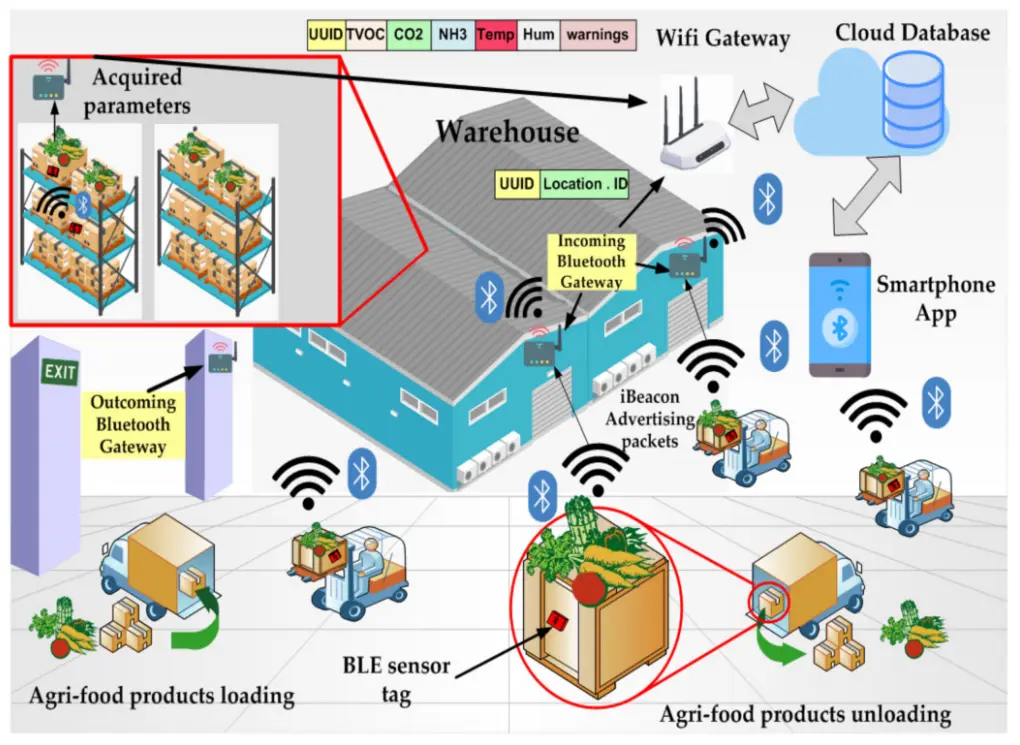
How Mushroom Traceability Works from Source to Export
A useful traceability process follows the product’s actual movement through the supply chain. For dried mushrooms, that may include raw-material selection, sorting, grading, drying, quality inspection, packaging, and export shipment. Fresh products and processed ingredients may require different records because their handling and transformation stages differ.
Raw-Material Sourcing and Origin Identification
The first question is how the supplier identifies the incoming raw material. Depending on the sourcing model, relevant information may include the supplier or growing location, receipt date, product description, and an internal lot identifier.
Importers should ask whether the available records identify an individual farm, a group of growers, a collection point, or another source category. A supplier should not claim farm-level traceability when its records only establish the identity of an intermediary or collection location.
Sorting, Grading, and Processing Records
During processing, incoming material may be sorted, graded, dried, sliced, or otherwise transformed. A reliable recordkeeping approach should explain how the relevant incoming lots connect to the resulting production batches.
This matters when several raw-material lots are combined or when one incoming lot is divided into multiple finished batches. The records should reflect what actually happened, rather than imply a simple one-to-one relationship where none exists.
For dried shiitake, buyers may also review specifications for size, cap thickness, color, aroma, and moisture content. Those characteristics help assess product conformity, but they should remain distinct from traceability evidence.
Packaging and Export Shipment
The final stage connects finished-product identification to packaging and dispatch records. Depending on the transaction, relevant documents may include product labels, packing lists, invoices, specifications, certificates, and applicable test reports.
The central question is consistency. Can the buyer connect the product described in the purchase order to the identified finished lot and the goods actually shipped?
A QR code, spreadsheet, or digital dashboard may make this information easier to access. None is sufficient on its own if the underlying records are incomplete or inaccurate.
What Importers Should Check Before Approving a Supplier
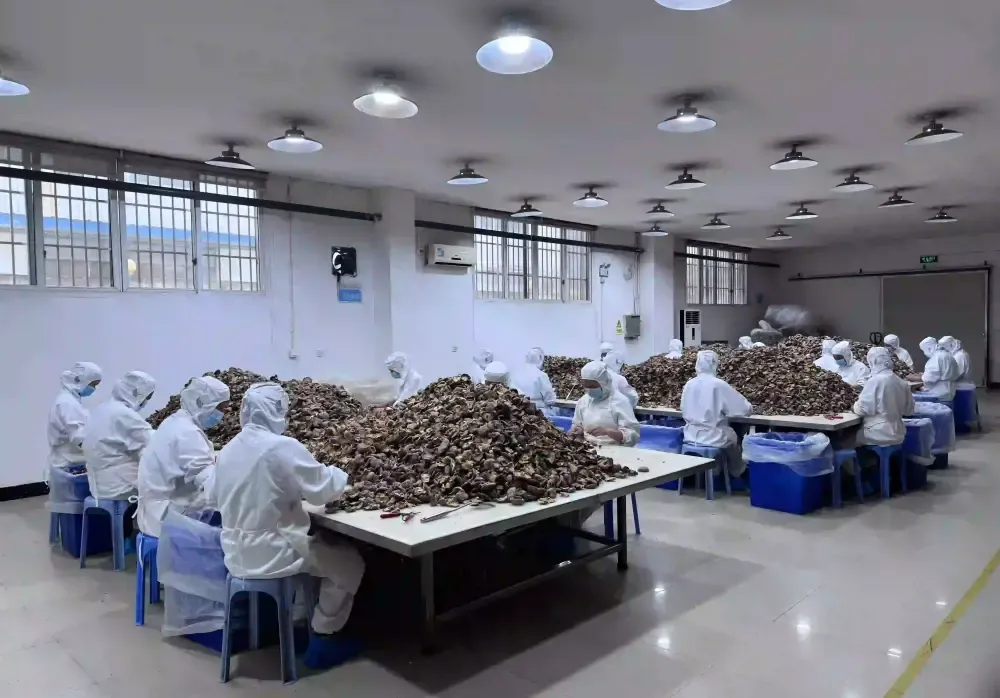
mushroom supplier
A supplier assessment should begin with straightforward questions rather than assumptions about technology.
Ask how lots are identified, which records connect incoming materials to finished products, how mixed or divided lots are handled, and who can retrieve the documentation when a customer raises a concern.
For buyers importing into the United States, regulatory review should be product-specific. The FDA Food Traceability Rule applies additional recordkeeping requirements to foods on its Food Traceability List and to certain foods containing listed ingredients when the relevant conditions are met. The FDA has stated that the 2026 legislation directs it not to enforce the rule before July 20, 2028. Importers should verify current FDA guidance and assess the exact product and business activities rather than assume that every fresh or dried mushroom is subject to identical requirements.
A supplier’s traceability procedures, relevant certifications, laboratory reports, and shipment records should be evaluated as complementary evidence. No single document proves everything.
The strongest procurement decision is one based on records that can be checked, explained, and connected to the actual goods being purchased.
Quality Assurance: How to Assess a Mushroom Traceability System
A supplier’s documentation should be evaluated as a connected set of records, not as a folder of certificates. For importers purchasing dried shiitake, fresh mushrooms, or mushroom ingredients, the objective is to establish whether the documents describe the same product, the same relevant lot, and the actual processing and shipment history.
A Practical Supplier Verification Matrix
| Quality checkpoint | What importers should verify | Warning sign | Recommended action |
|---|---|---|---|
| Lot identification | Consistent identifiers across relevant records | Unexplained changes in batch numbers | Request a documented explanation |
| Origin records | Available source information linked to the purchased lot | Origin claims without supporting records | Clarify the level of origin verification |
| Processing controls | Relevant processing and batch records | No clear connection between incoming and finished lots | Request evidence of batch linkage |
| Moisture and product specifications | Results and acceptance criteria relevant to the product | Missing results or unclear specifications | Agree on measurable acceptance criteria |
| Laboratory testing | Sample identity, test date, parameters, and results | Report cannot be linked to the relevant product or lot | Request clarification or appropriate lot-specific evidence |
| Certification | Validity, issuing body, and certified scope | Expired or irrelevant certificate | Verify directly with the issuing body where possible |
| Export documentation | Consistent product descriptions, quantities, and identifiers | Conflicting details across shipping documents | Resolve discrepancies before approval |
| Record retrieval | Clear procedures for retrieving relevant records | Supplier cannot explain how records are maintained | Establish documentation expectations before ordering |
This matrix is a commercial due-diligence tool, not a universal list of legally required documents. Requirements vary according to the product, destination, transaction, and applicable regulations.
What HACCP and ISO Certification Can—and Cannot—Tell You
HACCP focuses on identifying and controlling food-safety hazards. ISO 9001 addresses quality management systems. Neither should be treated as automatic proof that every shipment has complete traceability records or meets every destination-market requirement.
Buyers should examine the certificate’s scope, validity, issuing body, and relevance to the actual production or processing operation. They should then request supporting records appropriate to the order.
For WUSANGONG, the company’s stated focus on mushroom production and processing provides a relevant basis for discussing supplier qualification. However, any claim about a particular traceability platform, farm-level tracking capability, or shipment-specific testing should be supported by current, verifiable evidence before publication.
Traceability Requirements by Mushroom Product Type
Different mushroom products require different questions during supplier assessment.
Dried shiitake mushrooms: Review incoming-lot identification, drying and grading records, finished-product specifications, packaging identifiers, and shipment documentation. If multiple raw-material lots are combined, ask how the resulting batch is recorded.
Fresh shiitake mushrooms: Pay particular attention to product identity, handling records, shipment timing, and the applicable requirements for the product’s destination. Do not assume that fresh and dried products fall under identical regulatory rules.
Black fungus and processed mushroom ingredients: For sliced mushrooms, powders, seasonings, and extracts, establish how processing or transformation changes the lot structure. Where several ingredients are combined, ask how the supplier documents the relationship between input materials and the finished product.
For U.S. buyers, the FDA confirms that foods listed in the Food Traceability List only in their fresh form generally fall outside the additional Food Traceability Rule requirements once they have been changed to a non-fresh form through drying or similar processing. The specific product classification and any other applicable obligations must still be checked. The FDA’s October 2026 materials also confirm that the agency intends to comply with the congressional direction not to enforce the rule before July 20, 2028. These developments should be rechecked before publication or use in a compliance decision. FDA Food Traceability Rule.
Frequently Asked Questions About Mushroom Traceability
1. What documents should I request from a Chinese dried shiitake mushroom supplier?
Start with the product specification, lot identification details, available source and processing records, packaging information, relevant laboratory reports, applicable certification documents, and export paperwork. Confirm which documents are available for the specific order rather than assuming every supplier maintains the same records.
2. Can a mushroom batch number prove the product’s origin?
No. A batch number identifies a lot within a recordkeeping process, but its origin value depends on the records linked to it. Ask whether the identifier connects to farm-level information, a collection point, an upstream supplier, or another documented source.
3. Does FSMA 204 apply to imported dried shiitake mushrooms?
Do not assume that it does. The FDA’s additional Food Traceability Rule requirements apply to specified foods and relevant activities, subject to applicable exemptions. Foods listed only in their fresh form generally fall outside this rule when dried into a non-fresh form. Importers must still assess other applicable food-safety and import requirements.
4. Does HACCP certification guarantee complete mushroom traceability?
No. HACCP concerns food-safety hazard analysis and control. Buyers should separately verify how the supplier identifies lots, maintains records, connects processing activities, and retrieves documentation. Certification scope and supporting evidence both matter.
5. How can importers verify the traceability of a mushroom shipment before it leaves China?
Request available lot-specific records before shipment approval. Cross-check product descriptions, batch identifiers, specifications, applicable test reports, packing information, and shipping documents. Resolve inconsistencies before dispatch, and agree in advance on how additional records will be supplied if a customer or regulator requests them.
Expert Verdict: Verify the Records, Not Just the Claims
A dependable mushroom traceability system is only as useful as the evidence behind it. For importers, the best supplier is not necessarily the one advertising the most sophisticated software, but the one that can clearly explain its process and provide consistent, relevant records for the goods being purchased.
Before approving your next mushroom order, verify the lot, review the documentation, and resolve discrepancies before shipment.
References: