Choosing a mushroom supplier is not simply a matter of comparing prices, grades, or delivery schedules. For international buyers, the real question is whether the supplier can consistently provide safe products, verifiable documentation, and evidence that meets the requirements of the intended market.
What certifications should a mushroom supplier have? The answer depends on the product, destination, and buyer’s quality assurance program. HACCP-based food safety controls and ISO 22000 are important starting points, while BRCGS, SQF, or FSSC 22000 may be relevant when required by a customer’s supplier approval policy. Organic certification matters when products are marketed under applicable organic claims.
But certificates alone do not tell the whole story. A dried shiitake exporter supplying a food processing factory faces different operational demands from a fresh mushroom grower serving supermarkets. Buyers must look beyond logos and examine the actual scope of a supplier’s food safety controls, product testing, and traceability records.
1. Which Certifications Should a Mushroom Supplier Have?
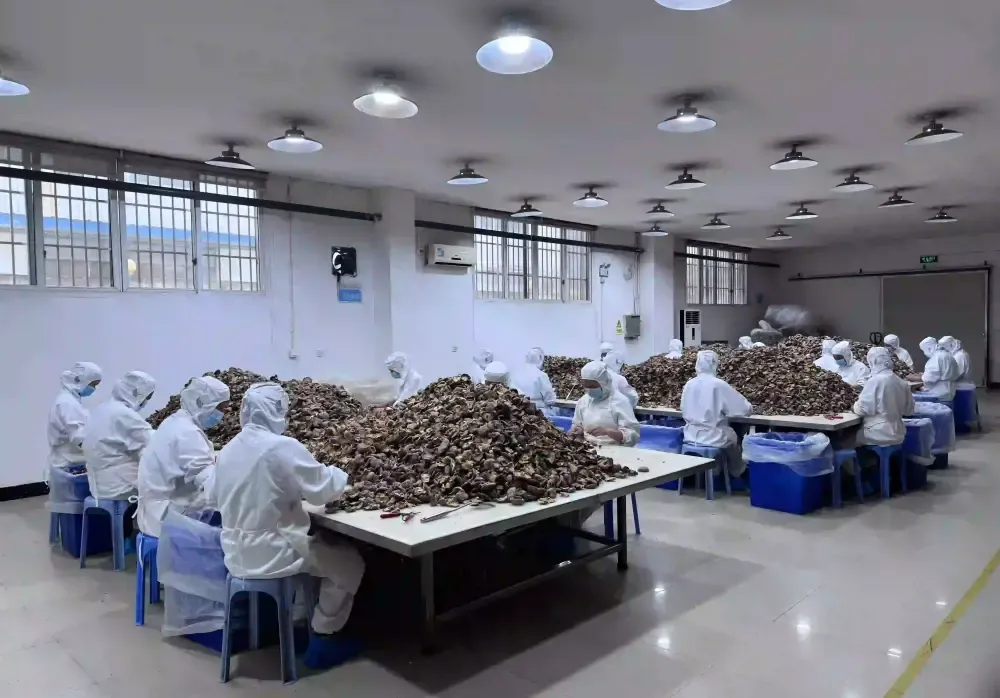
Which Certifications Should a Mushroom Supplier Have
The most suitable certification package is the one that matches the supplier’s activities and the buyer’s documented requirements. There is no universal list of certificates that every mushroom supplier must hold.
For procurement teams, it helps to separate three types of evidence: food safety management credentials, certifications supporting specific product claims, and documents demonstrating product or shipment compliance.
| Certification or Document | What It Demonstrates | When Buyers Should Consider It | What to Verify |
|---|---|---|---|
| HACCP-based food safety system | Hazard identification and control procedures | Mushroom growing, processing, packing, or other relevant operations | Scope, implementation, and whether third-party certification is claimed |
| ISO 22000 | Food safety management system requirements | Food businesses seeking a structured management system | Certificate validity, covered site, activities, and products |
| BRCGS, SQF, or FSSC 22000 | Conformity with a specific third-party certification scheme | Retail, food manufacturing, or customers with defined approval requirements | Applicable scheme, certification body, scope, and status |
| Organic certification | Eligibility to make relevant organic claims under applicable rules | Products sold as organic in regulated markets | Product coverage, operator or facility scope, and destination-market requirements |
| Certificate of Analysis (COA) | Results for specified product or batch tests | Bulk ingredient purchases and quality verification | Sample or lot identification, test methods, results, and laboratory details |
| Traceability records | Links between relevant batches, production records, and shipments | Supplier approval, recall readiness, and customer audits | Lot codes, record consistency, and ability to trace affected goods |
A critical distinction: a management system certificate is not a guarantee that every batch meets every product specification. Buyers still need suitable product documentation and risk-based verification.
HACCP: Understanding Hazard-Based Food Safety Controls
HACCP stands for Hazard Analysis and Critical Control Points. It provides a systematic approach to identifying food safety hazards, determining where controls are necessary, monitoring those controls, and responding when a deviation occurs.
In mushroom processing, the relevant hazards and controls depend on the product and operation. Fresh mushrooms, dried shiitake, and processed mushroom ingredients may require different control measures. A supplier’s food safety plan should reflect its actual processes rather than rely on a generic template.
For dried shiitake, buyers may examine raw material acceptance, sorting, drying controls, post-drying handling, packaging, and storage. The precise controls should be established through the facility’s hazard analysis; they should not be assumed to be identical across all factories.
Buyers should also distinguish between a documented HACCP-based system and a third-party certificate claiming HACCP certification. Ask what was assessed, which facility was covered, and whether the evidence is current.
ISO 22000: Food Safety Management Systems
ISO 22000 sets out requirements for a food safety management system for organizations in the food chain. It connects hazard control with management responsibilities, documented procedures, communication, and continual improvement.
For international buyers, its value lies in the system’s scope and implementation—not simply the appearance of an ISO logo on a supplier’s website.
When reviewing an ISO 22000 certificate, confirm the legal entity, manufacturing site, covered activities, validity, and certification body’s identity. A certificate covering one facility or business activity should not automatically be treated as evidence that every product or operation within a corporate group is covered.
ISO 22000 is also distinct from ISO 9001. ISO 9001 focuses on quality management systems, while ISO 22000 specifically addresses food safety management.
According to the International Organization for Standardization, ISO 22000: 2018 has a published 2024 climate-action amendment, while a replacement edition is under development. Buyers should check the official ISO record and applicable transition information rather than assume that every certificate follows the same edition or transition schedule.
2. HACCP, ISO 22000, BRCGS, SQF, and FSSC 22000: What Is the Difference?
Procurement teams often encounter these names in supplier questionnaires, audit requirements, and tender documents. Although they all relate to food safety in some way, they are not interchangeable.
HACCP is a hazard-control methodology. ISO 22000 is a management system standard. BRCGS, SQF, and FSSC 22000 are distinct certification schemes with their own requirements, assessment processes, and scope considerations.
| Dimension | HACCP | ISO 22000 | BRCGS, SQF, or FSSC 22000 |
|---|---|---|---|
| Primary purpose | Identify and control food safety hazards | Establish a food safety management system | Assess conformity with a defined certification scheme |
| Main focus | Hazard analysis and operational controls | Food safety management and systematic control | Scheme-specific food safety requirements and verification |
| Buyer relevance | Baseline for evaluating hazard-control practices | Evidence of a structured food safety management approach | May support approval for customers requiring a particular scheme |
| Verification priority | Review the plan, implementation, and any claimed certification | Verify certificate scope, status, and site coverage | Confirm the exact scheme, applicable requirements, and certification status |
| Universal requirement? | Requirements depend on applicable laws and activities | Not universally mandatory for every mushroom supplier | Often depends on customer, sector, and market requirements |
When Does a Buyer Need a GFSI-Benchmarked Certification?
Some supermarket groups, food manufacturers, and large distributors specify a certification program recognized through the Global Food Safety Initiative (GFSI) benchmarking process.
BRCGS, SQF, and FSSC 22000 are examples of distinct schemes that have been associated with GFSI recognition. Their status and applicable scope should be checked against current official scheme and GFSI information before a procurement decision.
GFSI itself does not directly certify mushroom factories. Nor does a supplier’s possession of one recognized certificate guarantee acceptance by every retailer or manufacturer.
The practical rule is simple: obtain the buyer’s approved certification requirements before rejecting a supplier or paying for an audit. If a customer explicitly requires a particular scheme, a different certificate may not satisfy that requirement—even if it demonstrates a serious food safety management system.
For WUSANGONG and other mushroom exporters, the relevant commercial question is whether the documented systems and certificates applicable to the actual manufacturing site meet the prospective buyer’s needs. Claims should be supported by current records, not assumptions about what a supplier ought to possess.
3. What Certifications and Documents Do Mushroom Imports Require?
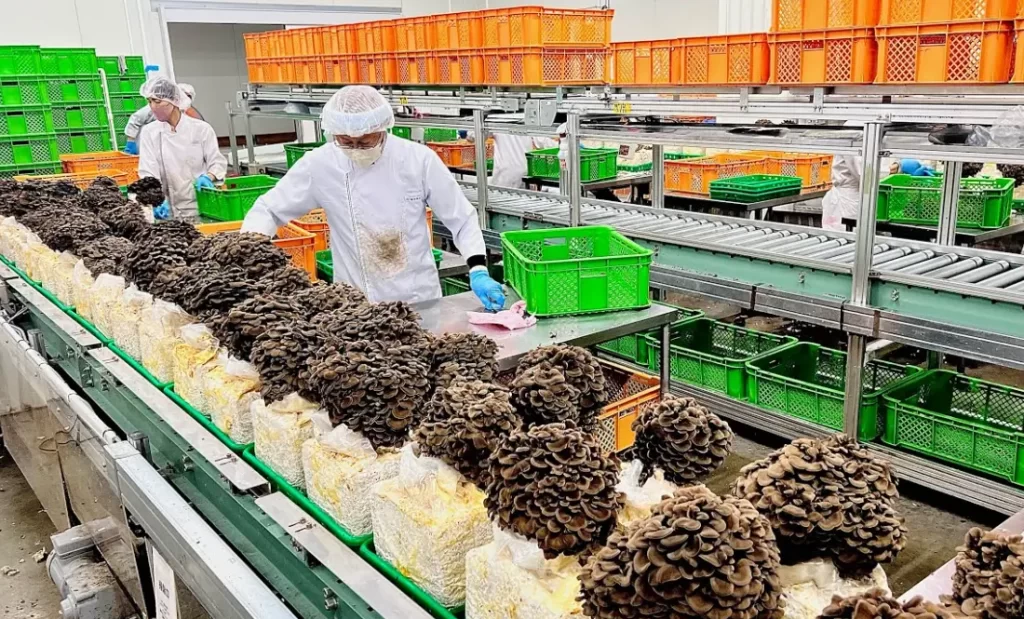
What Certifications and Documents Do Mushroom Imports Require
Certification is only one part of international food compliance. Buyers importing dried shiitake, fresh mushrooms, or black fungus should identify the requirements that apply to the specific product, its processing method, and its destination.
For US imports, the FDA’s Foreign Supplier Verification Programs (FSVP) rule places applicable verification responsibilities on the importer. A supplier’s ISO or HACCP documentation may support that process, but it does not automatically fulfil the importer’s obligations.
For EU imports, food safety and traceability requirements apply to imported food, while additional official certificates or controls may apply to particular products or circumstances. Organic products have separate certification and import procedures.
A Practical Document Checklist for Global Buyers
| Document | Purpose | What Procurement Teams Should Check |
|---|---|---|
| Applicable food safety certificates | Demonstrate conformity with a defined system or scheme | Validity, issuing body, site, and scope |
| Product specification | Establish agreed quality and physical characteristics | Product form, grade, moisture limits, packaging, and acceptance criteria |
| Certificate of Analysis (COA) | Document specified analytical results | Batch identity, test parameters, methods, and results |
| Traceability records | Connect products with relevant production and shipment records | Lot codes and consistency across documents |
| Residue or contaminant test reports | Provide evidence against specified chemical or microbiological criteria | Risk-based test panel, laboratory competence, and applicable limits |
| Shipment and regulatory documents | Support the particular import transaction | Requirements confirmed with the importer and relevant authorities |
| Organic documentation, where applicable | Support regulated organic marketing claims | Product coverage, operator status, and destination-specific rules |
No single checklist guarantees customs clearance. Buyers should confirm current requirements before shipment, especially when sourcing products subject to additional controls.
4. How to Verify a Mushroom Supplier Before Placing a Bulk Order
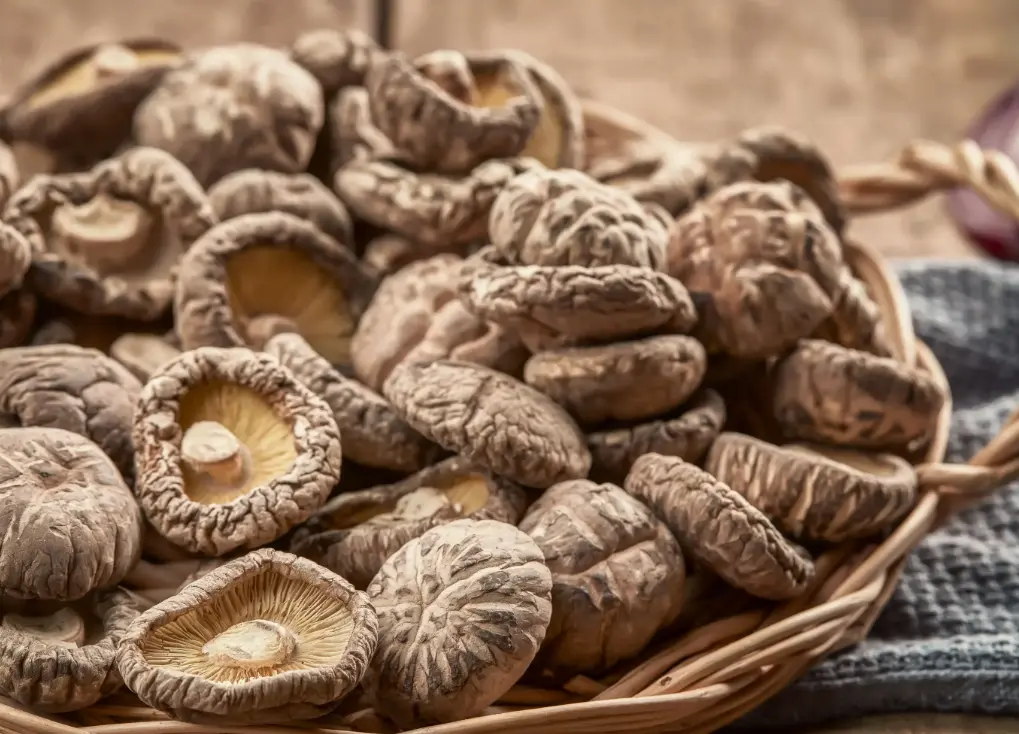
How to Verify a Mushroom Supplier Before Placing a Bulk Order
Based on our experience with international food procurement requirements, the most useful supplier assessment connects paperwork with the actual product and production site. A polished certificate can look reassuring, but a mismatch in legal entity, scope, or product coverage can undermine its value.
Use these checks before approving a new supplier:
1. Confirm the issuing organization. Verify the certification body’s identity and accreditation where applicable.
2. Check the certificate’s current status. Review validity dates and confirm status through the issuing body’s verification channel when available.
3. Match the scope to the order. Ensure the covered site and activities are relevant to the mushrooms being purchased.
4. Request product-specific evidence. Review specifications and suitable laboratory reports rather than assuming that a management system certificate guarantees a particular batch.
5. Test traceability. Ask how a lot number links the product to production, packaging, and shipment records.
6. Agree on acceptance criteria. Document measurable requirements before production and establish how nonconforming goods will be handled.
For WUSANGONG, buyers should request the certificates and supporting records applicable to the specific products and manufacturing operations under consideration. Any company credential published online should be checked against current documentary evidence.
5. Frequently Asked Questions for Global Mushroom Buyers
What Is the Most Important Certification for a Mushroom Supplier?
There is no single certificate suitable for every buyer. HACCP-based controls and a structured food safety management system are useful starting points. Some retail and food manufacturing customers also require a specific third-party certification scheme. The correct choice depends on the supplier’s activities and the buyer’s approval requirements.
Is HACCP Enough for Exporting Dried Shiitake Mushrooms?
Not necessarily. HACCP addresses food safety hazards, but export compliance may involve additional product testing, traceability, labelling, and shipment documentation. US importers covered by FSVP have their own verification responsibilities. Buyers should check the requirements for the destination and product.
Is ISO 22000 Better Than BRCGS or SQF?
Not universally. ISO 22000 is a food safety management system standard, whereas BRCGS and SQF are distinct certification schemes with their own requirements. The best fit depends on the customer’s supplier approval policy, product category, and applicable certification scope.
Does Every Mushroom Supplier Need Organic Certification?
No. Organic certification becomes relevant when a supplier or product is marketed under an applicable organic claim. For organic imports into the EU, additional certification and import procedures apply. Buyers should verify that the specific product and relevant supply-chain operators meet the destination market’s requirements.
European Commission
What Documents Should I Request Before Buying Bulk Dried Shiitake Mushrooms?
Start with applicable food safety certificates, a product specification, a recent relevant COA or test report, traceability information, and packaging details. Add residue testing, organic documentation, and shipment-specific records when required by the product, buyer, or destination market.
Expert Verdict
Choose a mushroom supplier on verified food safety controls, product-specific evidence, and traceability —not certificate count alone. Before committing to a bulk order, confirm that the supplier’s documented capabilities match your product, market, and contractual requirements. That is a stronger basis for reliable sourcing than any logo on a website.