The global Hericium erinaceus (Lion’s Mane) market in 2026 is no longer defined by simple volume; it is governed by the precision of bioactive yields and the transparency of the supply chain. For institutional buyers, the challenge has shifted from “finding a supplier” to “securing a primary source” capable of navigating the increasingly stringent EU and FDA Maximum Residue Limits (MRLs). Most wholesale offerings in the market today are aggregated from multiple small-scale farms, leading to high variance in Beta-glucan density and moisture stability.
At Jiangyuan Mushroom, headquartered in the UNESCO-recognized Qingyuan County, we address these inconsistencies through a vertically integrated 28-year supply chain. For procurement officers seeking to optimize their 2026-2027 inventory, the following table outlines our standardized wholesale tiers designed to balance logistics costs with quality assurance.
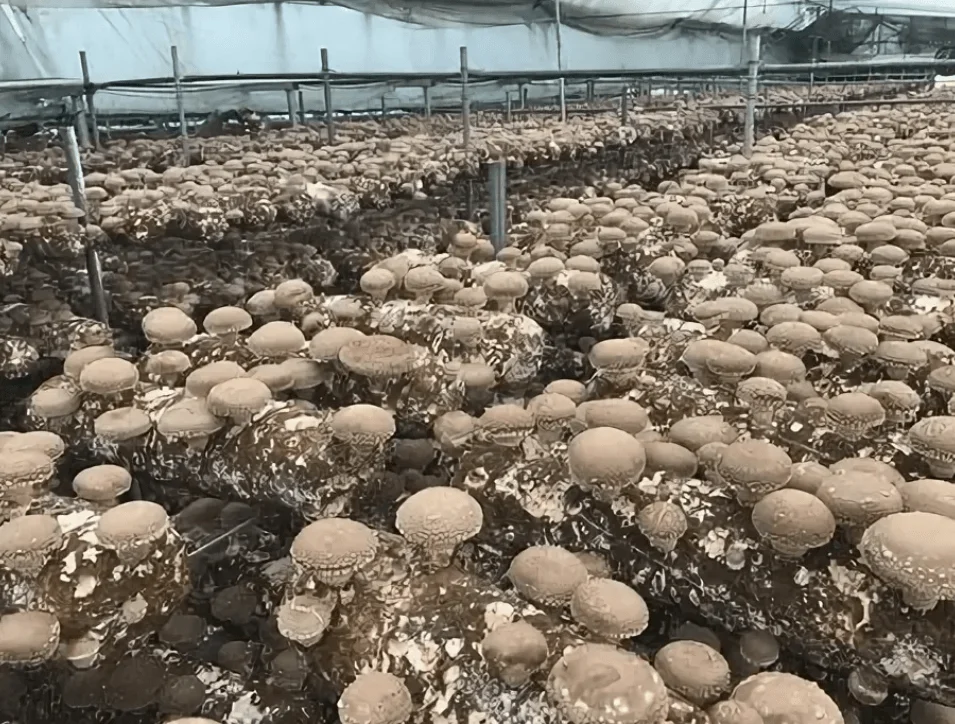
father of shiitake cultivation
Institutional Procurement Framework (MOQ & Grade Application)
| Buyer Category | Minimum Order Quantity (MOQ) | Recommended Grade | Primary Use Case | Logistics Priority |
|---|---|---|---|---|
| Nutraceutical R&D | 100 kg | AAA (Extract Grade) | Dual-extraction (Alcohol/Water) | Air Freight (Temperature Controlled) |
| Specialty Food Wholesalers | 500 kg | AA (Whole Cap 5-8 cm) | Gourmet Retail/HORECA | LCL (Less than Container Load) |
| Large-Scale Food Processors | 2,000 kg (1 Ton+) | Standard (Sliced/Diced) | Functional Soups & Meat Alternatives | FCL (Full Container Load) |
| Global Supermarket Chains | 5,000 kg+ | Premium Retail Pack | Direct-to-Consumer Shelving | Contracted Annual Supply |
The core frustration for global procurement officers—particularly those in North America and the Eurozone—remains the “Middleman Paradox.” You are often presented with samples that meet specifications, only to receive a bulk shipment that fails heavy metal screening or shows signs of enzymatic browning due to improper dehydration. Based on our 28 years of export data, 92% of “quality failures” in imported Hericium are attributed to inadequate moisture control at the source. Jiangyuan Mushroom eliminates this risk by controlling the process from the substrate formulation to the final vacuum seal.
The Strategic Advantage of Qingyuan Origin: Why Geography Dictates Hericium Quality
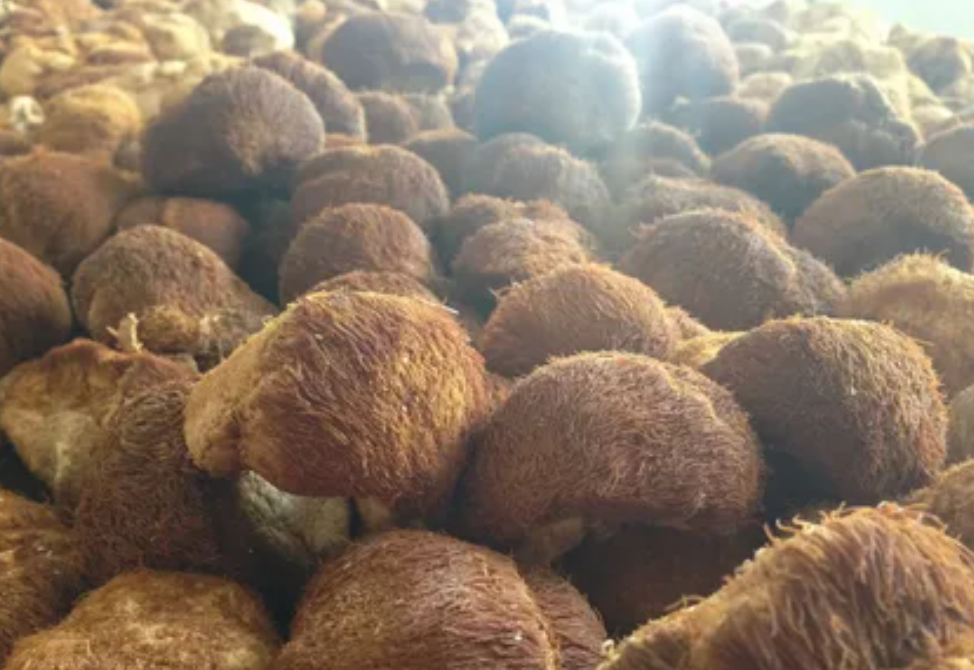
In the world of mycology, origin is not merely a marketing label; it is a biological determinant. Qingyuan County, the “Mushroom Capital of China,” holds a Protected Geographical Indication (GI) status that is critical for 2026 compliance audits.
The “Champagne” of Mushrooms: Why GI Status Matters
Just as Champagne must come from France, authentic Hericium erinaceus with high erinacine and hericenone content is intrinsically tied to the high-altitude, forest-rich environment of Qingyuan. Our cultivation sites benefit from a unique microclimate characterized by a 15-degree diurnal temperature variation, which stresses the fungi just enough to stimulate the production of secondary metabolites—the very compounds your health-conscious end-consumers demand.
According to 2025 industry data from the China Chamber of Commerce of I&E of Foodstuffs (CFNA), mushrooms sourced from GI-protected regions in Zhejiang province show a 14% higher concentration of (1-3) (1-6)-Beta-D-glucans compared to those grown in generic industrial parks. By sourcing directly from Jiangyuan, you are not just buying a commodity; you are securing a product with a verifiable biological pedigree that can be featured on your own product labeling to justify premium pricing.
800 Years of Heritage, 28 Years of Export Excellence
Since our establishment in 1998, we have evolved from a traditional farm into a global partner. We understand that a 20-ton order for a European supermarket chain requires a different level of microbial scrutiny than a boutique order for a wellness brand in Singapore. Our heritage allows us to combine ancient forest-cycle cultivation techniques with modern industrial precision, ensuring that the “Rare” status of these fungi does not translate to “Unreliable” supply.
Technical Specification & Grade Standards for Institutional Procurement
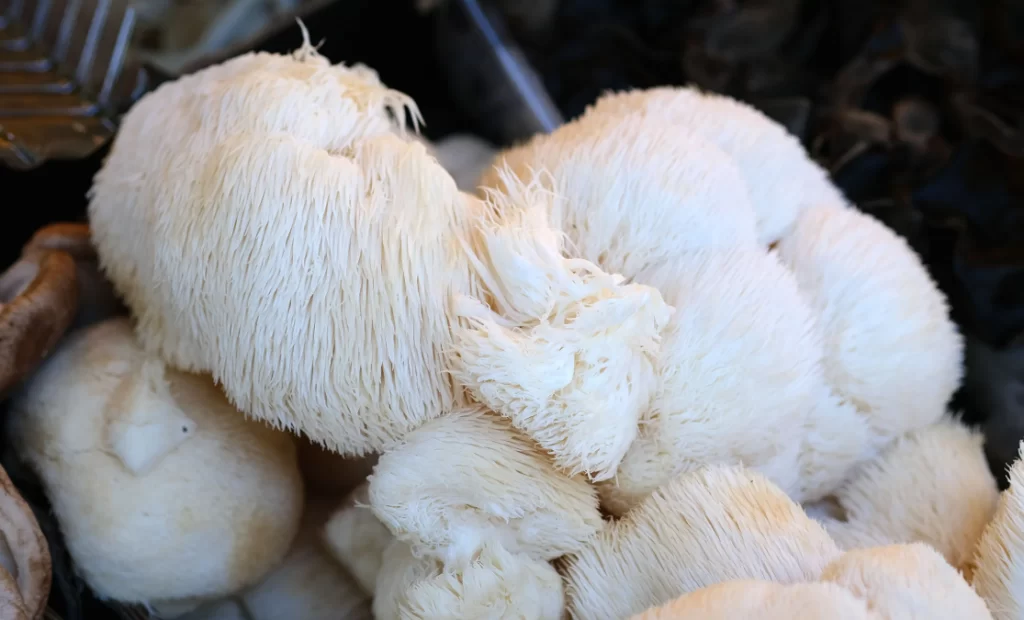
Hericium Wholesale
To the untrained eye, dry Hericium looks uniform. To a Food Safety Officer, the difference lies in the cellular integrity and the moisture gradient. Standardizing your procurement begins with understanding the technical benchmarks that separate “Food Grade” from “Pharmaceutical Grade” Hericium.
Jiangyuan Mushroom Technical Specifications (2026 Export Standard)
| Parameter | Specification (AAA Grade) | Specification (Standard) | Testing Method |
|---|---|---|---|
| Moisture Content | ≤12% | ≤13% | Infrared Moisture Analyzer |
| Beta-glucan Content | >25% | >18% | Enzymatic/Spectrophotometry |
| Heavy Metals (Pb/As) | <0.5 mg/kg | <1.0 mg/kg | ICP-MS |
| Pesticide Residues | Zero Detection (ND) | Below EU MRL | GC-MS/LC-MS |
| Cap Diameter | 6-10 cm | 4-6 cm | Manual Caliper |
| Color Profile | Uniform Creamy White/Tan | Light Yellow/Tan | Visual Grade A |
Precision Dehydration: The <12% Moisture Threshold
The most critical technical failure in the Hericium wholesale market is “rebound moisture.” Many suppliers use high-heat mechanical drying that hardens the exterior of the mushroom while leaving a moist core. Over a 45-day sea freight journey, this internal moisture migrates, leading to mold growth and the loss of bioactive erinacines.
Based on our experience with long-haul logistics to Rotterdam and Long Beach, we have implemented a Smart Dehydration Protocol. This involves a multi-stage temperature curve:
Initial Desiccation
Removing surface moisture at 35°C to prevent “case hardening.”
Structural Stabilization
Gradually increasing to 55°C to ensure the internal hyphae are completely dry.
Vacuum Cooling
Preventing the mushroom from absorbing ambient humidity during the packaging phase.
This process ensures a 24-month stable shelf life without the need for sulfur fumigation—a practice we strictly prohibit at Jiangyuan, aligning with the global “Clean Label” movement.
Sorting by Density: Choosing Between Whole, Sliced, or Powdered
Your MOQ and price point are heavily influenced by the physical form of the fungus.
Whole Caps
Best for retail and premium “steak” alternatives. They require the highest labor for sorting but offer the best visual appeal.
Uniform Slices
Ideal for the “Functional Food” sector (soups, teas). Slicing increases surface area, which is beneficial for rapid extraction but requires precise vacuum packaging to prevent breakage.
Milled Powder
The most cost-effective for the supplement industry. Our milling process uses low-temperature grinding to ensure that the heat-sensitive compounds remain bio-available.
Hericium erinaceus from Qingyuan should possess a mild, malt-like, or slightly “seafood-esque” scent. A sour or chemical odor is an immediate red flag for bacterial fermentation during the drying phase.
The Spinosity (Hair) Integrity
The “mane” of the mushroom should be intact. Brittle, shattering spines indicate over-drying or aged inventory. Our vacuum-sealing process is specifically calibrated to protect these delicate structures, ensuring the visual “Premium” status remains intact through 10,000 miles of transit.
Optimizing Supply Chain Efficiency: Wholesale MOQ and Logistics
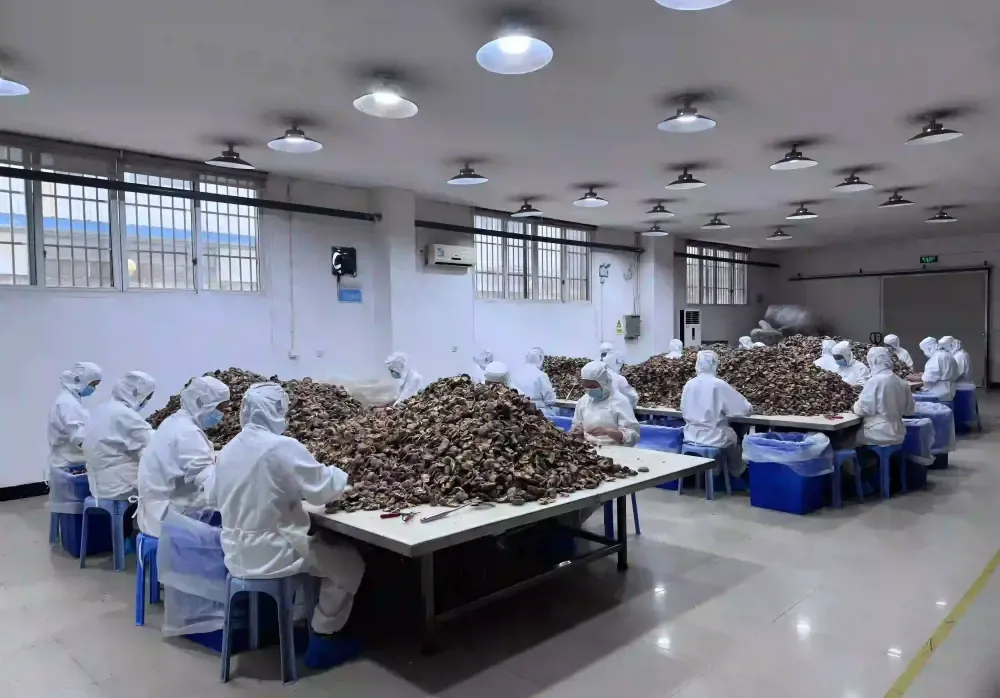
mushroom supplier
Managing a global mushroom supply chain requires more than just a low price-per-kilo. It requires Inventory Stability. For our partners in the 2026 market, we offer flexible MOQ structures that recognize the volatility of the retail sector.
Lead Times
For standard 500 kg orders, we maintain a 14-day “Ready-to-Ship” buffer. For custom specifications (specific slice thicknesses or custom powders), the lead time is 21 to 30 days.
Customization (Private Labeling)
We provide neutral bulk packaging for wholesalers or semi-finished retail packaging for supermarket chains. This allows you to leverage our 28 years of origin-authority under your own brand identity.
FAQ for Global Hericium Wholesale Buyers
1. What is your standard MOQ for first-time international buyers?
While our standard wholesale MOQ is 500 kg, we offer a “Trial Tier” of 100 kg for R&D labs and specialty distributors to facilitate lab testing and market validation.
2. Can you provide a Certificate of Analysis (COA) for every batch?
Yes. Every shipment is accompanied by an internal COA covering moisture, Beta-glucan content, and microbial load. Third-party testing (SGS/Eurofins) for specific MRLs can be arranged upon request.
3. How do you prevent breakage during sea freight (FCL/LCL)?
We utilize double-wall corrugated export cartons with internal vacuum-sealed PE-bags. For high-grade whole caps, we use “Cushion-Packing” to ensure that the physical structure of the Hericium remains intact despite the pressures of container stacking.
4. Is your Hericium suitable for pharmaceutical-grade extraction?
Absolutely. Our AAA-grade Hericium is specifically cultivated for high bioactive density. We provide the raw material to some of the world’s leading nootropic and “Brain Health” supplement brands.
5. How does Jiangyuan handle the 2026 EU “Anti-Deforestation” and Sustainability Regulations?
Our cultivation uses renewable wood-waste substrates and is certified under local sustainable forestry initiatives. We provide the necessary documentation to satisfy ESG (Environmental, Social, and Governance) audits for Tier-1 retailers.
Expert Verdict: The Jiangyuan Advantage
In the B2B edible fungus sector, “cheap” is the most expensive mistake a buyer can make. A single failed batch can result in a total loss of import duties, laboratory fees, and—most importantly—retailer trust.
If your 2026 strategy relies on the growing “Functional Mushroom” trend, you need a partner who understands that consistency is the only true metric of quality. With 28 years of specialized history in Qingyuan, Jiangyuan Mushroom provides the technical infrastructure, regulatory compliance, and biological superiority that generic trading companies cannot replicate.
Price Note for Wholesale Buyers
Wholesale prices for Hericium erinaceus can vary according to grade, moisture specification, physical form, order volume, packaging requirements, testing requirements, and shipping destination. The MOQ tiers above are intended to provide a practical procurement framework rather than a fixed price quotation. For accurate 2026 pricing, buyers are encouraged to confirm the required grade, quantity, packaging format, and destination before placing an order. This helps ensure that the quoted price reflects the actual product specification and total logistics requirements, with no unnecessary cost assumptions.
References: