Dried shiitake JAS organic standard compliance begins with verifying the applicable certification and import pathway — not simply accepting an overseas organic certificate. For international food buyers, the first question is whether the product, its certification, and the intended Japanese-market labeling meet the requirements established under Japan’s Organic JAS framework.
A supplier may have extensive mushroom-processing experience, a documented food-safety management system, and reliable export capabilities. Those strengths are valuable, but they do not automatically establish eligibility to sell a product as organic in Japan.
For procurement teams, the distinction has direct commercial consequences. An incorrect assumption about certification can affect packaging approval, product listings, shipment preparation, and the relationship between an exporter and its Japanese importer.
Before placing a bulk order, buyers should establish three things:
Certification eligibility: Which Organic JAS certification or recognized import pathway applies to the product and its country of origin?
Document consistency: Do the relevant certificates and supporting records match the actual supplier, product, processing arrangements, and shipment?
Labeling authorization: Is the proposed organic claim and use of the Organic JAS logo permitted under the applicable route?
Japan’s Ministry of Agriculture, Forestry and Fisheries (MAFF) publishes the official standards and guidance governing organic products. These sources should take precedence over supplier marketing materials or generalized claims about international organic certification.
For companies sourcing dried shiitake from China, the practical lesson is straightforward: verify the regulatory route before approving organic claims, commissioning retail packaging, or committing to a large shipment.
1. Understanding Organic JAS Certification for Dried Mushrooms
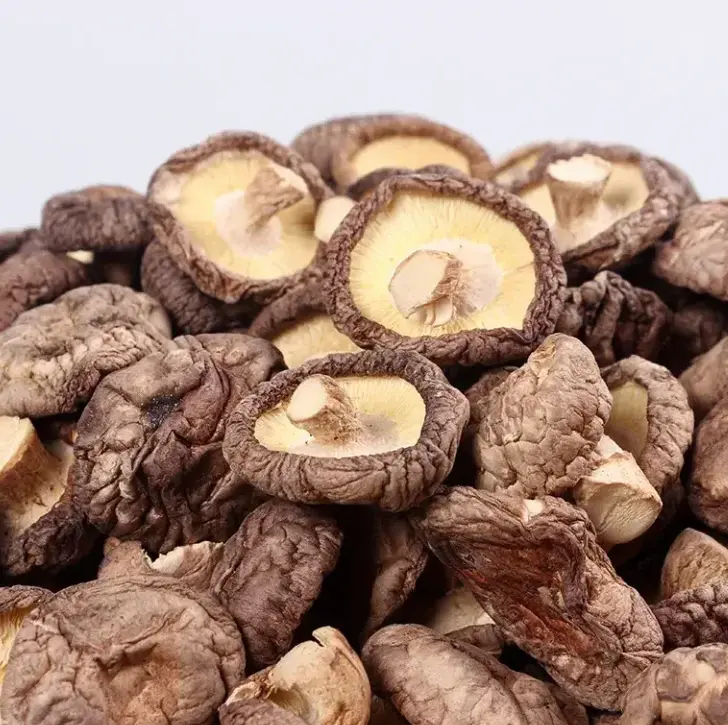
Dried Shiitake JAS Organic Compliance
Organic JAS is Japan’s organic certification and labeling framework. It establishes requirements that differ from ordinary product-quality specifications and general food-safety management systems.
For dried shiitake buyers, understanding that distinction prevents a common procurement mistake: treating every certificate associated with a food supplier as proof of organic eligibility.
Organic Certification Is Not the Same as Food-Safety Certification
A mushroom processor might maintain HACCP-based food-safety controls or an ISO 9001 quality-management system. These systems can support production consistency, hazard management, and documented procedures. However, they do not independently authorize a company to market dried shiitake as Organic JAS-certified.
The same caution applies to statements such as “naturally grown,” “chemical-free,” or “environmentally friendly.” Such descriptions are not substitutes for meeting the applicable organic certification and labeling requirements.
| Verification Dimension | Organic JAS Compliance | General Quality or Food-Safety Management |
|---|---|---|
| Primary purpose | Establish compliance with applicable Japanese organic requirements | Manage product quality, food-safety hazards, or operational processes |
| Relevant evidence | Organic certification and applicable import documentation | Relevant management-system certificates, procedures, and inspection records |
| Product eligibility | Depends on the applicable organic rules and certification or import pathway | Does not independently establish organic eligibility |
| Labeling implications | Organic claims and logo use must follow applicable authorization requirements | Does not automatically authorize Organic JAS labeling |
| Buyer action | Verify certification status, scope, and route-specific conditions | Assess these controls separately as part of supplier qualification |
The two categories can complement each other, but they answer different questions. A qualified buyer should evaluate both without confusing their purposes.
Why Product Classification Matters
Whole dried shiitake, sliced mushrooms, mushroom powder, and more extensively processed mushroom ingredients may raise different questions about product classification and processing requirements.
Buyers should not assume that the compliance status of one product automatically covers every item offered by the same manufacturer. The applicable standard, certification scope, and processing arrangements need to be checked against the actual product.
This becomes particularly important when a supplier offers private-label packaging or several product formats under one commercial agreement. The product description on a purchase order should correspond to the product and activities covered by the relevant documentation.
2. Can Overseas Suppliers Sell Organic Dried Shiitake in Japan?
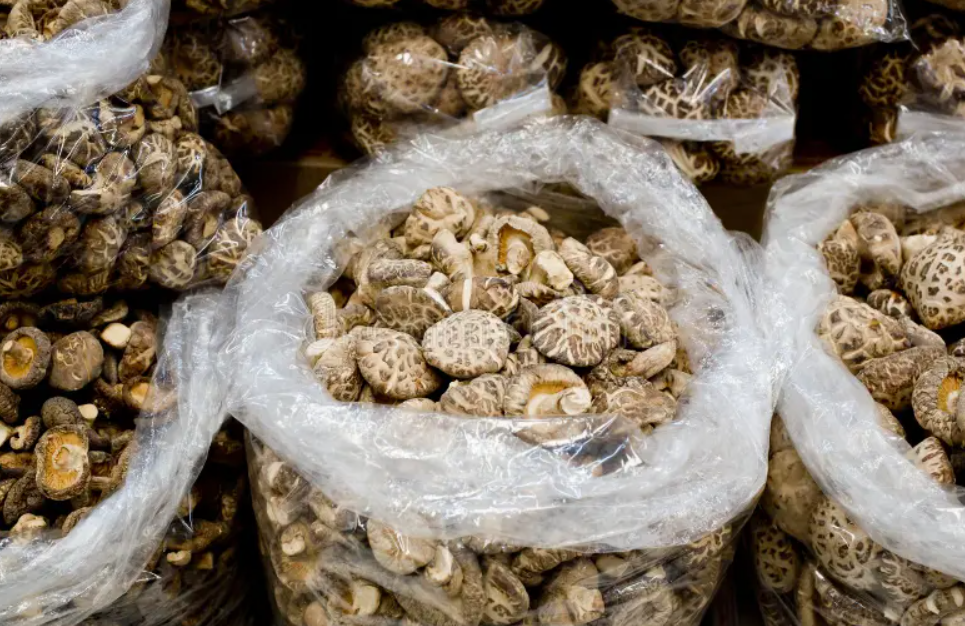
Can Overseas Suppliers Sell Organic Dried Shiitake in Japan
Yes, overseas suppliers can participate in supply chains serving Japan’s organic market, but the permitted route depends on the applicable rules, certification arrangements, and product circumstances.
MAFF guidance describes pathways involving certification by accredited certification bodies and, where applicable, imports under recognized organic equivalency arrangements. These routes have specific conditions. A certificate issued overseas should never be assumed to qualify a product automatically for Organic JAS labeling.
Route A: Certification Under the Applicable Organic JAS Framework
Overseas operators may seek certification through an appropriately accredited certification body where the relevant requirements and scope apply.
Before relying on this route, a buyer should confirm:
- The certification body’s current status and relevant authority.
- The certified operator’s identity and scope.
- Whether the actual product and relevant processing activities are covered.
- Whether the proposed labeling and use of the Organic JAS mark are authorized.
A certificate image sent by email is a starting point for verification, not the end of the process.
Route B: An Applicable Organic Equivalency Arrangement
Japan also recognizes certain arrangements under which qualifying imported organic products can be marketed through a specified pathway.
Eligibility is not universal. Buyers must verify the current arrangement, relevant country and product coverage, certification conditions, and any documentation or importer responsibilities that apply.
For a Chinese dried shiitake shipment, it would be unsafe to assume that a certificate issued under another country’s organic program is sufficient. The appropriate route must be established from current official guidance and, where necessary, confirmed with the relevant certification body or Japanese importer.
Comparing the Two Pathways
| Decision Factor | Organic JAS Certification Route | Organic Equivalency Route |
|---|---|---|
| Starting point | Determine whether the operator can obtain applicable Organic JAS certification | Determine whether a recognized arrangement covers the product and circumstances |
| Country considerations | Confirm certification-body authority and relevant scope | Confirm current country-specific eligibility and arrangement conditions |
| Product verification | Match the product and processing activities to the certification scope | Match the product to the eligible category and required certification conditions |
| Import documentation | Confirm the documents required for the specific transaction | Confirm the documents required under the applicable arrangement |
| Label authorization | Verify applicable certification and marking requirements | Verify the permitted labeling procedure and the responsibilities of the eligible importer |
| Final decision | Obtain confirmation from the relevant certification body | Obtain confirmation from official guidance and the relevant importer or certification authority |
This comparison is a decision-making aid, not a substitute for the formal rules. The precise requirements must be verified before a supplier or shipment is approved.
3. What Should Buyers Verify Before Approving an Organic Supplier?
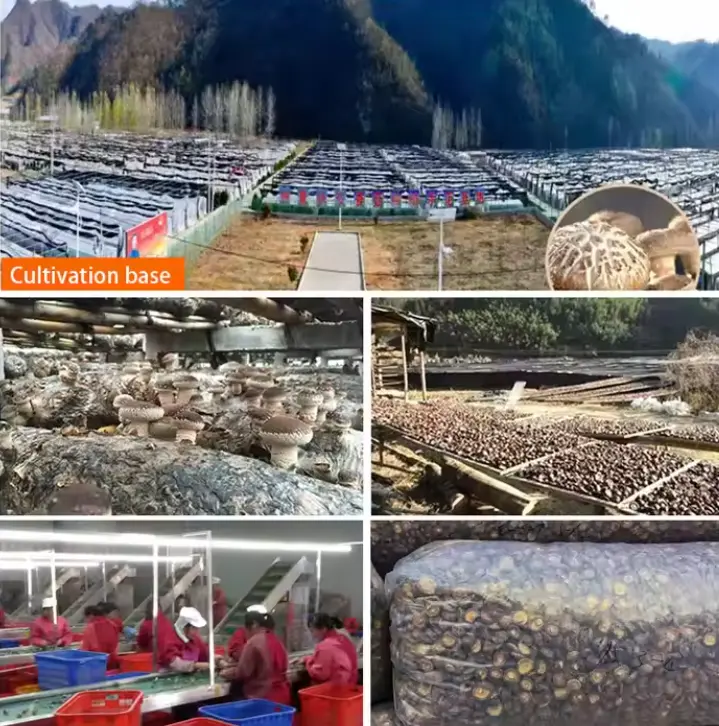
What Should Buyers Verify Before Approving an Organic Supplier
Organic claims need evidence that can withstand scrutiny beyond the initial sales conversation.
Based on our experience with the practical demands of mushroom sourcing and processing, a useful supplier review should connect three elements: the identity of the operator, the identity of the product, and the records supporting the intended market claim. This is a procurement framework, not a claim that any particular supplier has passed an Organic JAS audit.
Start by requesting the relevant certification information and identifying the issuing body. Then establish whether the certificate covers the operator and activities involved in the transaction. If processing, repacking, or private-label arrangements involve additional operators, clarify how those activities are addressed under the applicable rules.
Next, review product specifications and traceability records. Lot identification, product descriptions, and shipment documentation should be consistent. Where an export certificate or other official document is required, confirm the applicable requirement rather than assuming that every transaction follows the same procedure.
According to official MAFF guidance, certification and import pathways determine how organic products may be marketed in Japan. This regulatory framework is the appropriate authority for determining eligibility; general industry claims or unsupported market statistics cannot replace it.
A well-documented supplier review also separates organic compliance from other purchasing considerations. Moisture specifications, mushroom size, color, aroma, packaging integrity, and delivery capacity can affect commercial suitability, but they should be assessed independently of the evidence required to support an organic claim.
For WUSANGONG and other dried shiitake suppliers, the responsible approach is to present only verifiable company credentials, provide documentation relevant to the actual transaction, and avoid implying Organic JAS certification unless the status and scope have been confirmed.
The objective is not to collect the largest possible stack of certificates. It is to establish whether the specific product can be supplied, documented, imported, and labeled through a valid route.
The next step is to verify the applicable Organic JAS pathway and documentation before approving packaging or placing a bulk purchase order.
4. Organic JAS Labeling and Quality Assurance: 5 Checks Before Shipment
A supplier may meet a buyer’s expectations for mushroom quality and still require further verification before its products can be sold as organic in Japan. Labeling, certification, and shipment documentation should therefore be reviewed before packaging artwork is approved or goods are dispatched.
MAFF states that products marketed as organic in Japan must comply with the applicable Organic JAS requirements. The permitted labeling route depends on whether the product has been certified by an appropriately accredited body overseas or is imported and labeled by an eligible Japanese importer under the applicable equivalency framework.
The Pre-Shipment Quality Assurance Checklist
| Checkpoint | What Buyers Should Verify | Common Risk | Recommended Action |
|---|---|---|---|
| Certification status | Current certificate, issuing body, and applicable scope | Expired or irrelevant documentation | Verify with the issuing certification body |
| Product identity | Product description and format match the purchase order | Certificate scope does not match the product | Confirm coverage for the actual product |
| Processing and packing | Relevant processing and repacking activities are addressed | Unclear responsibility between operators | Review the supply-chain arrangement |
| Organic labeling | The proposed claim and logo use follow the applicable route | Packaging makes an unauthorized organic claim | Obtain confirmation before printing |
| Shipment records | Applicable certificates and commercial records are consistent | Missing or mismatched documentation | Reconcile records before dispatch |
These checks form a procurement control framework. The exact legal requirements must be confirmed against the current rules and the specific import route.
Organic Compliance Versus Product Quality
Organic certification is only one part of a reliable sourcing decision. Japanese importers and food manufacturers should also assess the physical and commercial quality of dried shiitake.
| Quality Dimension | What to Evaluate | Why It Matters to Buyers |
|---|---|---|
| Moisture content | Measured moisture against the agreed specification | Influences storage stability and product consistency |
| Appearance | Color, cap integrity, visible defects, and size distribution | Supports grading and retail presentation |
| Aroma | Characteristic shiitake aroma and absence of abnormal odors | Helps evaluate product condition and sensory suitability |
| Foreign matter | Inspection controls and acceptance criteria | Supports product cleanliness and buyer specifications |
| Traceability | Lot codes and links to relevant production records | Helps investigate complaints and reconcile shipments |
| Food safety | Applicable hazard controls and test results where required | Addresses risks not established by organic certification alone |
| Packaging | Barrier properties, seal integrity, and suitability for intended storage | Helps protect the product during transport and storage |
Acceptance limits should be agreed in the product specification rather than invented as universal thresholds. Buyers should also distinguish organic certification from laboratory testing: a residue report may support a particular safety assessment, but it does not independently prove Organic JAS eligibility.
5. Seven Questions to Ask Before Choosing an Organic Dried Shiitake Supplier
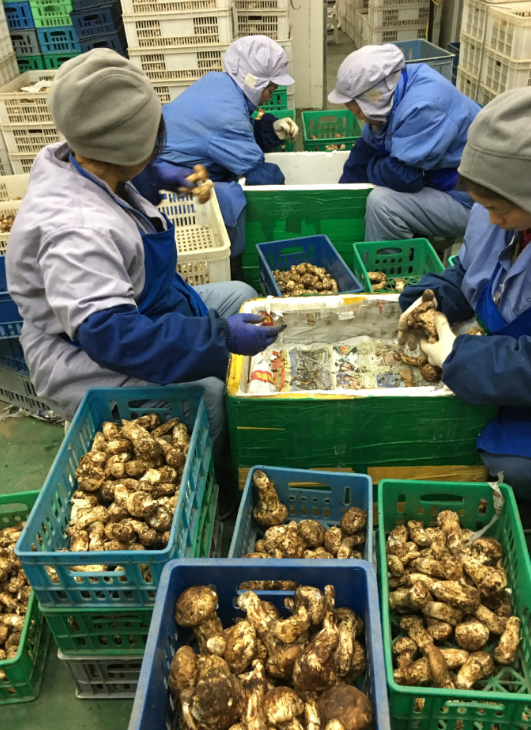
Seven Questions to Ask Before Choosing an Organic Dried Shiitake Supplier
A supplier’s ability to meet a purchase order should be assessed alongside its ability to provide consistent, verifiable documentation. These questions help importers identify gaps before they become costly problems.
- Which certification pathway covers this product? Ask the supplier to identify the applicable route and provide supporting evidence.
- Who issued the certificate? Verify the certification body’s status and the certificate’s scope.
- Does the documentation cover the actual processing site? Clarify any outsourced drying, processing, or repacking activities.
- Can each shipment be traced to its lot records? Check that product identification remains consistent across relevant documents.
- Who is responsible for Japanese-market labeling? Establish whether the overseas operator or an eligible Japanese importer handles the Organic JAS mark.
- What food-safety documentation is available? Request relevant specifications, hazard-control information, and test reports appropriate to the product and destination.
- Can the supplier support repeat orders? Evaluate production capacity, agreed specifications, packaging arrangements, and document control.
For Chinese-origin dried shiitake, one additional check deserves particular attention: do not assume that organic equivalency applies to China. MAFF’s published equivalency list, as of April 2026, does not list China among the recognized countries for organic plant products or organic processed foods of plant origin. A buyer should therefore verify the applicable certification route directly against current MAFF guidance before proceeding.
6. Frequently Asked Questions About Organic JAS Compliance
1. Is Organic JAS Certification Required to Sell Dried Shiitake as Organic in Japan?
Organic claims must comply with Japan’s applicable Organic JAS rules. Depending on the product and import pathway, qualifying products may be certified overseas or enter through an eligible Japanese importer under a recognized equivalency arrangement. The applicable route must be verified before making organic claims.
2. Can a Chinese Dried Shiitake Supplier Use the Organic JAS Logo?
Only where the relevant certification and labeling requirements authorize its use. China is not listed in MAFF’s April 2026 organic equivalency table for organic plant products or organic processed foods of plant origin. Chinese exporters should confirm the appropriate route with an accredited certification body and the Japanese importer rather than relying on equivalency assumptions.
3. Is USDA Organic Certification Automatically Accepted in Japan?
No. Although Japan recognizes organic equivalency arrangements with the United States for specified product categories, the applicable conditions and documentation must still be satisfied. Buyers should verify the precise product category, origin, and import procedure instead of assuming that a USDA Organic certificate alone authorizes Organic JAS labeling.
4. What Documents Should Buyers Request From an Organic Dried Shiitake Supplier?
Start with the relevant organic certificate and scope, operator and facility details, product specifications, lot traceability records, and documentation required by the applicable import pathway. Additional food-safety records and laboratory reports may be appropriate. The exact mandatory documents depend on the product and transaction.
5. Can HACCP or ISO 9001 Certification Replace Organic JAS Certification?
No. HACCP addresses food-safety hazard management, while ISO 9001 addresses quality-management systems. Neither independently establishes eligibility to market a product as Organic JAS-certified. Buyers should verify organic compliance separately from food-safety and quality-management credentials.
Expert Verdict: Verify First, Purchase Second
For global buyers, dried shiitake JAS organic standard compliance is fundamentally a question of certification eligibility, documentary consistency, and authorized labeling.
Before approving a supplier, verify the current regulatory pathway, confirm the product’s certification scope, and agree on the documentation required for the shipment. For Chinese-origin products, obtain confirmation of the applicable route before making any organic-labeling commitment.
That discipline protects the buyer, the importer, and the supplier — and provides a stronger foundation for a dependable long-term sourcing relationship.
References: