Importing dried mushrooms from China into Germany is not simply a matter of finding a competitive factory price and booking a container. One overlooked customs classification, an unsuitable product specification, or a missing document can turn an apparently profitable purchase into an expensive problem.
The safest approach is to verify the product, applicable EU import requirements, supplier evidence, and landed cost before confirming the order. For buyers sourcing dried shiitake mushrooms, wood ear mushrooms, or other edible fungi, the process should follow seven practical steps.
| Import Stage | What the Buyer Must Establish | Main Risk to Control |
|---|---|---|
| Product identification | Species, processing form, grade, and intended use | Incorrect classification |
| Regulatory review | Applicable EU food safety and import rules | Non-compliant goods |
| Supplier verification | Factory capability, traceability, and quality evidence | Inconsistent supply |
| Sample approval | Written specifications and appropriate test results | Bulk quality discrepancies |
| Documentation | Commercial and applicable regulatory documents | Customs or compliance delays |
| Cost calculation | Duty, freight, clearance, and other relevant costs | Unexpected expenses |
| Shipment acceptance | Clearance, receiving inspection, and batch records | Losses after arrival |
For German importers, the key is to treat compliance and purchasing as one connected process. A low quotation is useful only when the goods can meet the buyer’s requirements and reach their destination under commercially acceptable conditions.
1. Identify the Dried Mushroom Product Before Requesting Quotes
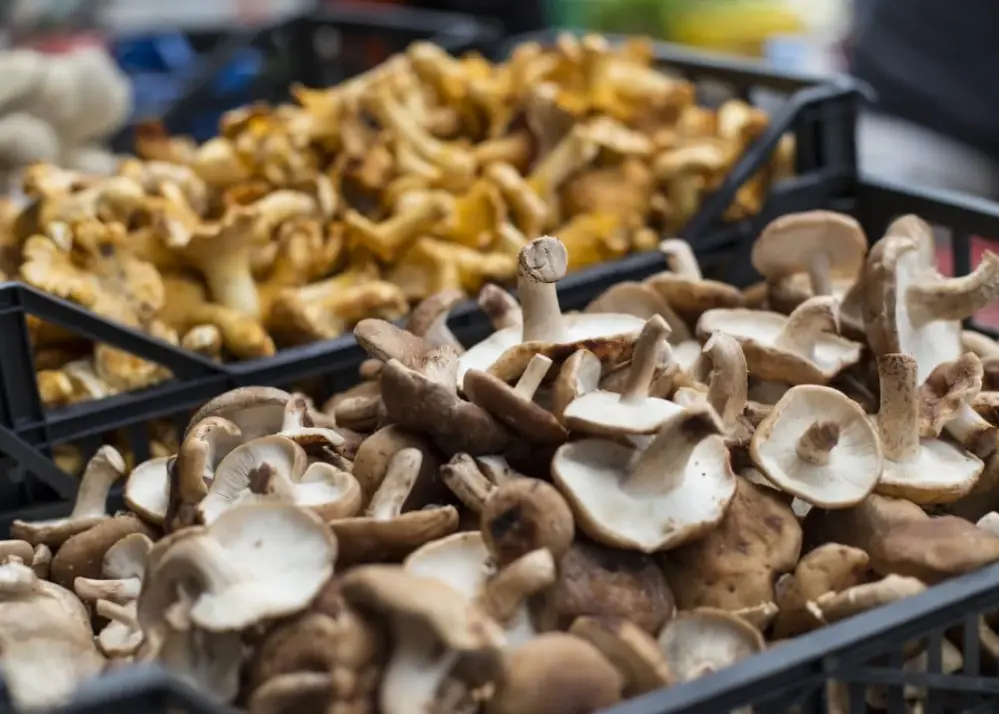
Identify the Dried Mushroom Product Before Requesting Quotes
Not all dried mushrooms follow the same purchasing or customs-classification pathway. A German food distributor buying whole dried shiitake for retail repacking has different requirements from a food manufacturer buying sliced mushrooms for soup bases or seasoning production.
The first task is to define exactly what is being purchased.
Dried Shiitake, Wood Ear, and Other Mushroom Products
Dried shiitake (Lentinula edodes) is commonly used in soups, sauces, ready meals, and Asian food products. Whole caps may suit foodservice and retail applications, while sliced mushrooms and smaller pieces can be more practical for industrial processing.
Wood ear mushrooms (Auricularia species) are used in different applications and should be assessed against their own product specifications. Mushroom powder and extracts also require separate attention because processing and intended use may affect classification and regulatory treatment.
Before requesting a quotation, specify:
- Mushroom species and country of origin.
- Whole, sliced, broken-piece, powdered, or extracted form.
- Grade, dimensions, appearance, and aroma requirements.
- Moisture specification and packaging format.
- Intended application, such as retail, foodservice, or industrial processing.
- Required batch documentation and any buyer-specific testing criteria.
These details make supplier quotations comparable. Without them, two prices may describe products that are commercially very different.
Confirm the Correct Customs Classification
The EU’s Combined Nomenclature (CN) and TARIC system are essential starting points for identifying customs measures. The European Commission explains that TARIC integrates applicable tariff measures, trade rules, and relevant import restrictions, with data transmitted daily to national administrations.
Taxation and Customs Union
Do not assume that all dried mushrooms share one code. Species, processing, product presentation, and intended use can affect classification. For example, EU tariff nomenclature distinguishes certain dried shiitake products from other dried mushrooms. The exact code must be checked against the actual goods and current official tariff information.
Duty: 12.8%
A practical starting point is the European Commission’s TARIC database. If classification remains uncertain, ask a qualified customs professional to confirm it before signing the purchase contract.
2. Check EU and German Import Requirements Before Ordering
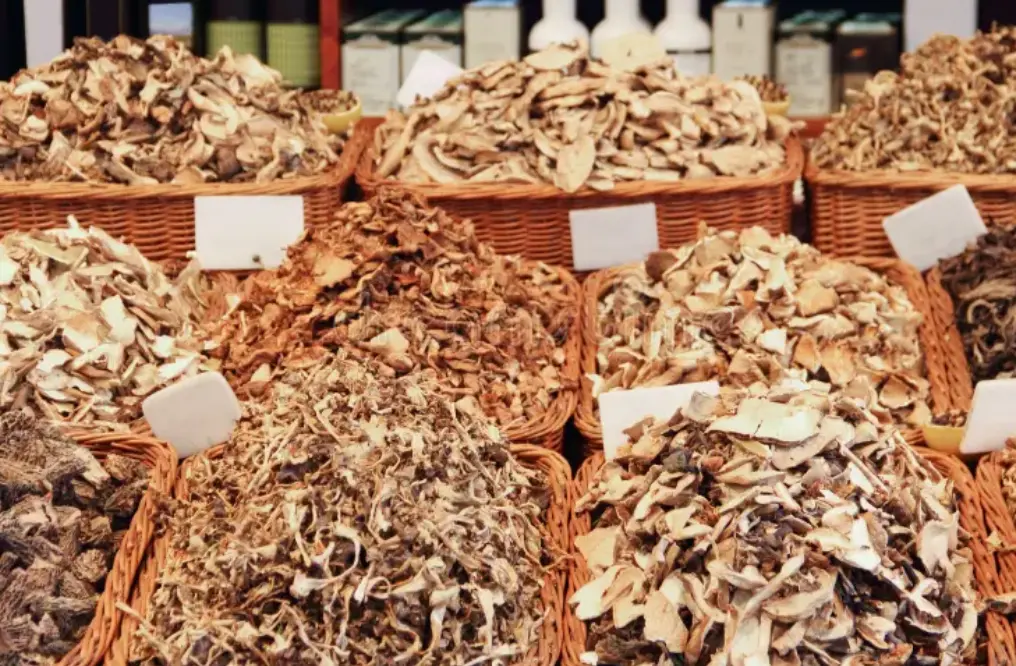
Check EU and German Import Requirements Before Ordering
Food safety is where an experienced importer separates a promising supplier from a dependable business partner. A product may look excellent, smell fresh, and arrive in attractive packaging, yet still fail to meet an applicable legal requirement.
For buyers planning to import dried mushrooms from China to Germany, regulatory verification should happen before production or shipment, not after the goods reach the port.
Verify Pesticide Residues and Contaminants
The European Union regulates pesticide maximum residue levels (MRLs) under Regulation (EC) No 396/2005. Food contaminants are addressed through applicable legislation, including Commission Regulation (EU) 2023/915. These frameworks must be assessed against the relevant commodity and legal provisions rather than treated as a universal checklist with identical limits for every mushroom product.
EUR-Lex
According to the European Commission’s food safety framework, contaminants can enter food through environmental conditions and different stages of production, processing, packaging, and storage. This makes risk management a supply-chain responsibility, not simply a final inspection task.
European Commission
For procurement teams, the practical response is to establish a product-specific testing plan. Depending on the species, intended use, supplier history, and risk assessment, this may involve pesticide residues, heavy metals, microbiological hazards, or other relevant parameters.
A supplier’s Certificate of Analysis (COA) can support the assessment, but the document deserves scrutiny. Which batch was tested? Which analytes were included? Was the laboratory competent to perform the relevant analyses? Do the reported results address the buyer’s actual acceptance criteria?
A report that does not answer these questions offers limited reassurance.
Determine Which Import Controls and Documents Apply
Not every shipment of dried mushrooms automatically requires the same health certificate or border inspection. EU rules can impose additional controls on specified combinations of product, origin, customs classification, and hazard. Commission Implementing Regulation (EU) 2019/1793 is one important reference for determining whether particular non-animal-origin foods are subject to increased official controls or special entry conditions.
EUR-Lex
Before placing an order, verify the current requirements using the European Commission’s imported-products guidance and Access2Markets.
The buyer should establish the applicable requirements for the actual product rather than rely on a supplier’s general assurance that its mushrooms are export-ready.
3. Find and Verify a Reliable Chinese Dried Mushroom Supplier
Price comparisons often dominate the first stage of sourcing. Yet experienced buyers know that a supplier’s ability to reproduce the agreed specification matters just as much as the initial quotation.
Based on our experience with dried mushroom sourcing requirements, a useful supplier assessment starts with evidence: product specifications, batch identification, processing controls, and the ability to explain how quality is maintained from raw material selection through packaging.
Evaluate Production and Traceability
A professional sourcing review should examine how the supplier selects raw mushrooms, sorts and grades them, manages drying, inspects finished products, and identifies production batches.
For buyers considering Qingyuan-origin dried shiitake, origin information can also help establish product identity and sourcing context. However, origin claims should be supported by appropriate documentation rather than relying on geographical storytelling alone.
WUSANGONG’s stated business profile identifies its roots in Qingyuan, Zhejiang, and its focus on edible mushroom production, processing, and supply. German buyers should still verify the current specifications, documentation, and production capabilities relevant to their particular order.
Compare Suppliers Using a Consistent Scorecard
The following is a proposed buyer assessment framework, not a claim that any particular supplier has passed these checks.
| Evaluation Dimension | Evidence to Request | What the Buyer Should Verify | Warning Sign |
|---|---|---|---|
| Product identity | Species declaration and product specification | Correct species, form, and intended use | Vague product descriptions |
| Food safety | Relevant test reports and safety procedures | Suitable testing scope and credible results | Undated or untraceable reports |
| Quality consistency | Samples, grading criteria, and batch records | Repeatability against agreed specifications | No defined acceptance criteria |
| Production capability | Process description and production information | Suitability for the requested volume | Unsupported capacity claims |
| Traceability | Lot codes and relevant sourcing records | Ability to connect goods with batch documentation | Missing or inconsistent lot identifiers |
| Commercial reliability | Quotation, lead-time commitment, and contract terms | Clear responsibilities and delivery conditions | Ambiguous specifications or payment terms |
| Certification claims | Valid documents from the relevant issuer | Scope, validity, and covered facility or activity | Expired or irrelevant certificates |
A scorecard makes comparisons more disciplined. It also prevents a polished presentation or unusually low price from overshadowing serious weaknesses in traceability or documentation.
4. Approve Samples and Agree on Quality Specifications
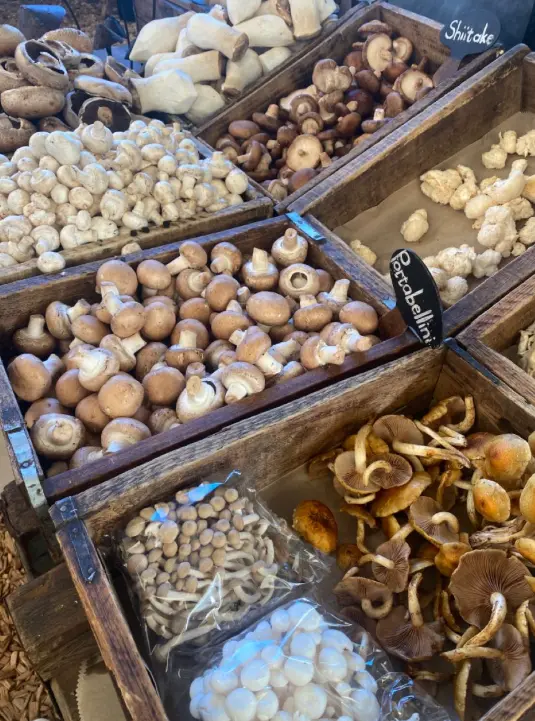
Approve Samples and Agree on Quality Specifications
A sample is not merely a demonstration of appearance. It establishes the commercial reference against which the bulk order should be evaluated.
For dried shiitake, buyers may assess cap dimensions, thickness, colour, aroma, visible defects, foreign material, and moisture content. The acceptable range depends on the agreed product grade and intended application; a single universal specification should not be invented for all buyers.
Turn the Sample into a Written Specification
Before production, document the required attributes, testing arrangements, packaging, and acceptance procedure. Specify what happens if the delivered batch falls outside the agreed limits.
For industrial buyers, this step is particularly important. A small difference in slice size or moisture can affect production performance, handling, and the consistency of the finished food.
The sample should represent the intended commercial product, and any subsequent changes to raw materials, processing, or specifications should be communicated and approved under the agreed purchasing procedure.
A clear specification reduces disputes because both parties know what constitutes an acceptable shipment before the goods leave China.
5. Prepare Import Documents and Agree on Shipping Terms
Once the product specification is approved, the next challenge is ensuring that the commercial paperwork and shipment arrangements match the actual goods. A discrepancy between the invoice, packing list, product description, or declared classification can create avoidable questions during customs clearance.
For businesses planning to import dried mushrooms from China to Germany, documentation should be checked before the shipment is dispatched.
Which Documents Should Buyers Prepare?
The precise document set depends on the product, applicable import rules, shipping method, and contractual requirements. The following table distinguishes common commercial documents from documents that may only be needed in particular circumstances.
| Document | Purpose | Buyer Verification |
|---|---|---|
| Commercial invoice | Records the transaction and declared value | Confirm product description, quantity, currency, and seller details |
| Packing list | Describes package counts, weights, and packaging | Reconcile quantities and weights with the shipment |
| Transport document | Records carriage arrangements, such as a bill of lading or air waybill | Confirm consignee and shipment details |
| Customs classification information | Supports the declaration of the goods | Verify the applicable CN/TARIC code |
| Certificate of Analysis (COA) | Reports specified analytical results | Check batch identity, test scope, and laboratory details |
| Certificate of origin | Provides origin information where required or requested | Confirm the applicable format and purpose |
| Additional regulatory documents | Satisfy specific legal or official-control conditions | Establish whether the document is actually required for this product |
A COA, certificate of origin, or supplier declaration should not automatically be described as a mandatory import document for every shipment. Requirements must be checked against the applicable rules and the buyer’s contractual needs.
Agree on Incoterms and Responsibilities
Incoterms® help define the allocation of delivery obligations, costs, and risks between the seller and buyer. They do not replace food safety law, determine every customs obligation, or establish the full commercial cost by themselves.
For example, a quotation under FOB should be compared with a CIF quotation only after the buyer understands which transport and insurance costs are included and which remain payable separately. The named port and the agreed Incoterms rule also matter.
Before paying a deposit, clarify who will arrange export clearance, freight, insurance, import customs formalities, and the delivery to the agreed destination. German importers should also establish their responsibilities for import VAT, food compliance, and records.
6. Calculate the Landed Cost of Dried Mushrooms in Germany
A low factory price can be misleading when the total cost of importing the product has not been calculated. Freight, insurance, testing, customs clearance, storage, and other charges can change the economics of an order considerably.
The correct comparison is not simply the price per kilogram quoted by two suppliers. It is the cost of obtaining an acceptable, legally importable product at the required destination.
Build a Complete Cost Model
Use this formula as a starting point:
Estimated landed cost = Product cost + Packaging + Freight + Insurance + Applicable customs duty + Clearance and handling + Testing + Other applicable charges.
Import VAT should be calculated separately for cash-flow planning and profitability analysis. Its treatment depends on the transaction and the importer’s circumstances, including whether the VAT is recoverable.
The formula is a planning framework, not a quotation or a statement of the tax base for every charge. Customs valuation and the legal VAT calculation must be determined under the applicable rules.
Compare Quotations on Equal Terms
| Cost Factor | What to Confirm | Why It Matters |
|---|---|---|
| Product price | Grade, form, quantity, and currency | Ensures a like-for-like comparison |
| Packaging | Bulk sacks, cartons, or retail-ready packs | Changes material and packing costs |
| Freight and insurance | Route, service, coverage, and included charges | Affects transport cost and risk exposure |
| Customs duty | Current tariff for the confirmed classification | Avoids relying on an incorrect rate |
| Customs clearance | Broker fees and destination charges | Prevents unexpected handling costs |
| Laboratory testing | Required analyses and who pays | Supports the agreed safety and quality plan |
| Import VAT | Applicable rate, tax base, and recovery position | Improves cash-flow forecasting |
| Storage and delay costs | Potential warehousing, demurrage, or inspection-related charges | Helps assess downside exposure |
Check the current tariff through the European Commission’s TARIC database and use Access2Markets to research the applicable trade requirements.
Do not publish a universal duty rate or a fixed shipping cost for dried mushrooms without verifying the relevant classification, shipment details, and current charges.
7. Arrange Shipment, Customs Clearance, and Receiving Inspection
Shipping is not the finish line. The buyer still needs to ensure that the goods are correctly declared, any applicable official controls are completed, and the delivered batch matches the approved specification.
Protect the Product During Transport
Dried mushrooms have a relatively low moisture content, but they can still deteriorate if exposed to moisture, condensation, damaged packaging, or unsuitable storage conditions.
Before dispatch, confirm that the packaging is food-contact suitable where required, the cartons are adequately protected, and the batch identification remains legible. Agree on practical handling and storage conditions with the supplier and logistics provider.
When the shipment arrives in Germany, coordinate customs clearance with the responsible broker and retain the relevant declarations and supporting documents. Inspect the delivery for damaged packaging, signs of moisture exposure, discrepancies in quantity, and inconsistencies in lot identification.
If a potential food safety issue arises, segregate the affected goods and follow the applicable food safety and traceability procedures before releasing them for distribution.
Quality Assurance Checklist for German Importers
Use the following checklist before approving a supplier or accepting a shipment.
| QA Dimension | Verification Action | Acceptance Evidence |
|---|---|---|
| Regulatory compliance | Confirm applicable EU food and import requirements | Current legal references and required documents |
| Product quality | Compare the delivered goods with the approved specification | Inspection records and agreed test results |
| Residue and contaminant risks | Apply a suitable, risk-based testing plan | Relevant laboratory reports |
| Traceability | Verify batch codes and supporting records | Consistent lot-level documentation |
| Packaging integrity | Inspect packaging and storage suitability | Receiving inspection record |
| Commercial accuracy | Reconcile goods against the order and invoice | Matching quantities and descriptions |
| Corrective action | Define procedures for non-conforming goods | Documented complaint and resolution process |
Legal compliance and buyer-specific quality standards are separate checks. Passing an internal appearance inspection does not prove regulatory compliance, while a laboratory report covering selected analytes does not establish that every possible hazard has been controlled.
For WUSANGONG and other Chinese suppliers, the most useful evidence is documentation that directly corresponds to the product and batch being purchased.
Frequently Asked Questions
1. Can I Import Dried Shiitake Mushrooms from China to Germany?
Potentially, yes, provided the specific product meets the applicable EU requirements and all relevant customs and import formalities are completed. Verify the mushroom species, processing form, classification, food safety requirements, and any applicable official controls before shipment.
2. What Documents Are Needed to Import Dried Mushrooms into Germany?
Common commercial documents include a commercial invoice, packing list, and transport document. Depending on the product and circumstances, additional certificates, declarations, or laboratory reports may be needed or requested by the buyer. Confirm the actual requirements rather than assuming every shipment needs the same documents.
3. Do Dried Mushrooms from China Need a Health Certificate for EU Import?
There is no safe basis for assuming that every dried mushroom shipment automatically requires the same health certificate. Requirements depend on the exact product and applicable EU rules. Check the current official import guidance and relevant control measures before dispatch.
4. How Can I Check EU Pesticide Limits for Dried Mushrooms?
Use the European Commission’s EU Pesticides Database as a research starting point, then verify the applicable legal requirements and commodity classification. Request relevant laboratory results and confirm that the test scope matches the product and your procurement specifications.
5. How Do I Calculate the Total Cost of Importing Dried Mushrooms from China?
Combine the product price, packaging, freight, insurance, applicable customs duty, clearance, testing, and other relevant charges. Assess import VAT separately according to the applicable tax rules and the importer’s recovery position. Use the correct tariff classification and obtain shipment-specific quotations before committing to an order.
Expert Verdict: Verify Before You Buy
The strongest import strategy combines regulatory verification, supplier due diligence, written quality specifications, and a realistic landed-cost calculation. None should be left until the shipment is already on its way.
For buyers sourcing dried shiitake and other edible mushrooms, WUSANGONG can be considered as a potential China-origin supply partner. The next step is to request product specifications, discuss the intended application and volume, and establish which quality and documentation requirements must be met for the German market.
A competitive price matters. A shipment that meets your requirements, arrives with the right evidence, and supports repeatable purchasing decisions matters more.