Why Food Safety Starts Before Mushrooms Reach the Factory
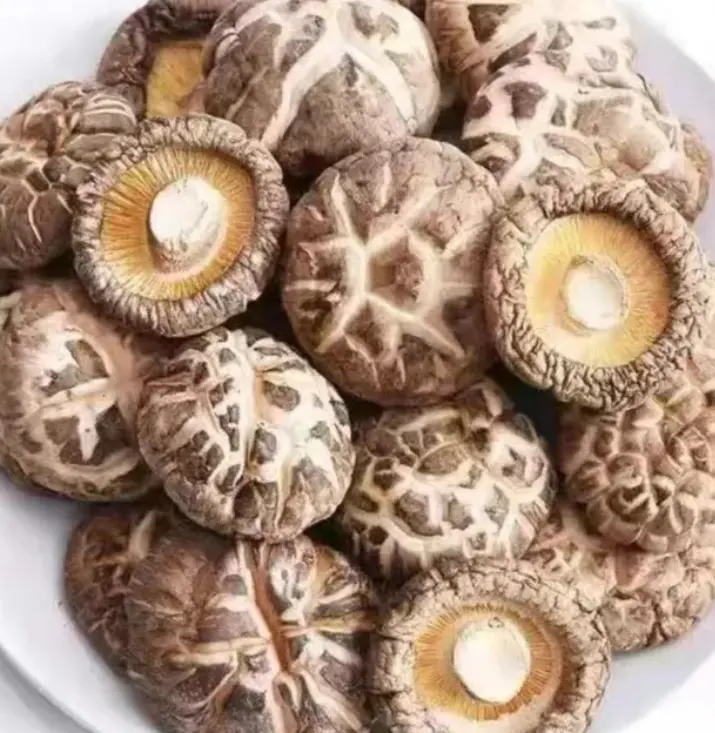
A shipment of dried shiitake mushrooms can look clean, smell pleasant, and arrive in intact packaging. Yet appearance alone cannot establish whether the product meets a buyer’s food safety requirements. For importers, food processors, and supermarket procurement teams, understanding how mushroom manufacturers control food safety means looking beyond the finished product to the systems behind it.
The answer is a documented, risk-based process covering raw material selection, hygienic handling, processing conditions, appropriate laboratory testing, packaging, and traceability. Manufacturers must identify the hazards relevant to their products, implement suitable controls, verify that those controls work, and retain records that support each production lot. The U.S. Food and Drug Administration (FDA) describes HACCP as a preventive system addressing biological, chemical, and physical hazards throughout the food chain. Codex Alimentarius provides an internationally recognized framework for food hygiene and HACCP implementation.
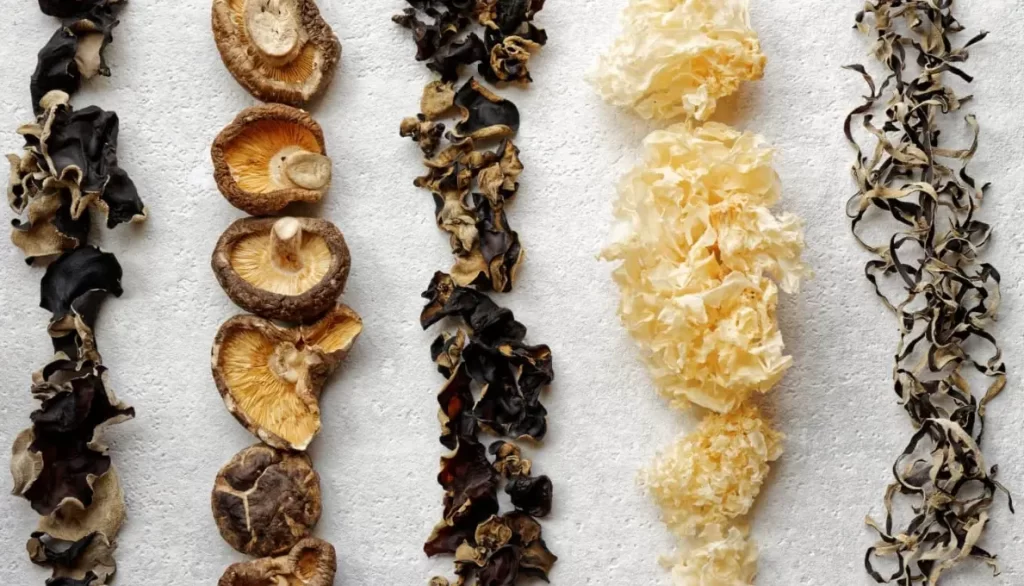
Why Food Safety Starts Before Mushrooms Reach the Factory
For global buyers, three questions matter most: What hazards can enter the production process? Which controls prevent or reduce those risks? What evidence demonstrates that the controls are working?
These questions are particularly important when sourcing dried shiitake, fresh shiitake, black fungus, or mushroom ingredients from overseas manufacturers. Different products require different control strategies. A drying process, for example, can reduce moisture and help preserve a product, but it should not automatically be treated as proof that every microbiological or chemical hazard has been eliminated.
At WUSANGONG, the company’s stated business focuses on edible mushroom production, processing, and supply from Qingyuan, Zhejiang, China. For international procurement teams, the practical value of a supplier lies not only in its product range or production origin, but also in the quality documentation, process controls, and traceability evidence it can provide.
1. Understand the Main Food Safety Risks in Mushroom Manufacturing
Food safety management begins with hazard identification, not with ordering laboratory tests or collecting certificates. A manufacturer first needs to understand the raw materials, processing steps, storage conditions, intended use, and potential routes of contamination.
Biological, Chemical, and Physical Hazards
Three broad hazard categories provide a useful starting point for evaluating mushroom manufacturing.
-**Biological hazards:**Potentially harmful microorganisms may be introduced through contaminated raw materials, water, personnel, equipment, or handling environments. The relevant hazards depend on the product, process, and intended use.
-**Chemical hazards:**Pesticide residues, certain heavy metals, cleaning chemical residues, and other contaminants may require assessment according to agricultural practices, processing conditions, and applicable destination-market requirements.
-**Physical hazards:**Stones, soil particles, metal fragments, packaging debris, and other foreign materials may enter or remain in the product if incoming inspection and processing controls are inadequate.
These categories should not be confused with general quality defects. A mushroom’s size, cap thickness, color, aroma, and appearance may determine its commercial grade, but a visually attractive product is not necessarily a microbiologically safe one.
According to the FDA’sHACCP Principles&Application Guidelines, hazard analysis should consider ingredients, individual processing steps, equipment, storage, distribution, and the product’s intended use. The same principle applies when evaluating an edible mushroom supplier: risk assessment must follow the actual production process rather than rely on a generic checklist.
Fresh Mushrooms and Dried Mushrooms Require Different Controls
Fresh mushrooms have high moisture content and generally require appropriate temperature management, hygienic handling, and protection during storage and transport. Dried mushrooms present a different set of challenges. Their reduced moisture content can inhibit microbial growth when the product is properly processed and stored, but survival of some microorganisms and subsequent contamination remain possible.
| Risk dimension | Fresh shiitake | Dried shiitake | What buyers should verify |
|---|---|---|---|
| Moisture management | Control product condition and storage environment | Control drying performance and moisture-related stability | Product specifications and monitoring records |
| Microbiological risks | Assess contamination during growing, harvesting, and handling | Assess incoming contamination, processing, and post-drying handling | Risk-based testing and sanitation records |
| Chemical contaminants | Consider agricultural inputs and relevant environmental sources | Consider incoming raw materials and contaminants that may remain after drying | Applicable limits and suitable analytical reports |
| Foreign materials | Inspect incoming product and handling stages | Inspect raw materials and finished product after drying and grading | Inspection procedures and relevant equipment controls |
| Storage and transport | Maintain appropriate conditions for product type | Protect against moisture ingress, damaged packaging, and unsuitable storage | Packaging specifications and shipment records |
The table is a risk-assessment framework, not a universal testing specification. Actual controls must be determined by product characteristics, process design, intended use, and applicable regulations.
2. Control Food Safety Risks at the Raw Material Stage
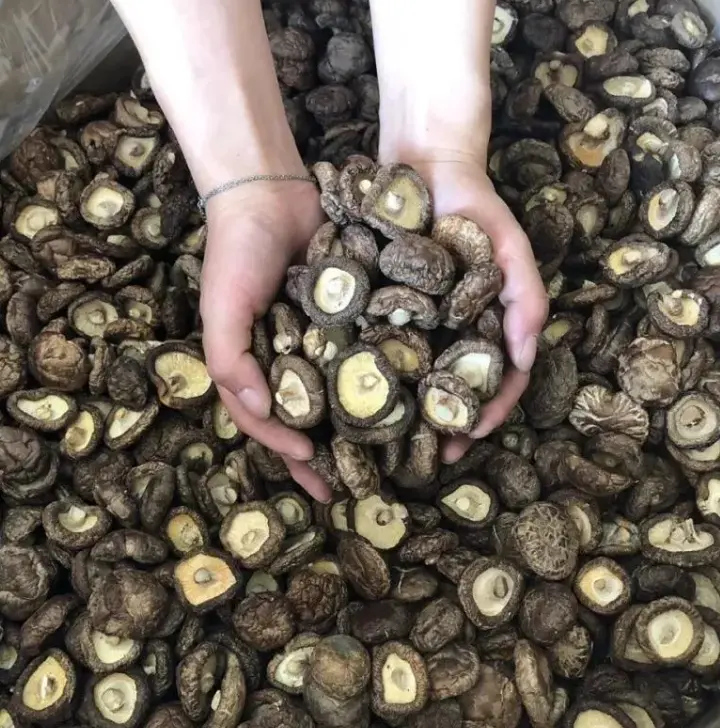
Control Food Safety Risks at the Raw Material Stage
A manufacturer cannot compensate for every upstream problem simply by inspecting the finished product. Strong food safety management begins with knowing where raw materials originate, how they are handled, and what acceptance criteria apply when they enter the facility.
Supplier Qualification and Incoming Inspection
A practical supplier approval process should assess the source of the mushrooms, relevant agricultural practices, consistency of supplied materials, and the availability of supporting records. Where raw materials come from multiple farms or partner suppliers, the manufacturer should be able to explain how those sources are approved and monitored.
Incoming inspection then checks whether a delivery meets established acceptance criteria. Depending on the product and the identified risks, this may involve reviewing documentation, inspecting for foreign materials, assessing product condition, checking relevant specifications, and arranging appropriate testing.
For dried shiitake, buyers may also want to understand how the manufacturer evaluates moisture-related characteristics, visible defects, and the suitability of raw materials for the intended processing application. Such quality checks complement food safety controls; they do not replace them.
Water, Agricultural Inputs, and Contamination Prevention
Water used in growing, cleaning, or processing should be assessed according to its intended use and potential to affect product safety. Agricultural inputs and environmental conditions may also require risk assessment, particularly where chemical residues or other contaminants are relevant to the product and destination market.
Based on our experience with the practical requirements of international mushroom sourcing, the most useful supplier discussions are specific: Which raw-material acceptance criteria are documented? How are unsuitable deliveries handled? Can the supplier link incoming materials to the finished production lot? What evidence supports any food safety assurance made during procurement?
These questions encourage a verifiable conversation rather than an exchange of broad promises.
3. Use HACCP and Hygiene Programs to Manage Processing Risks
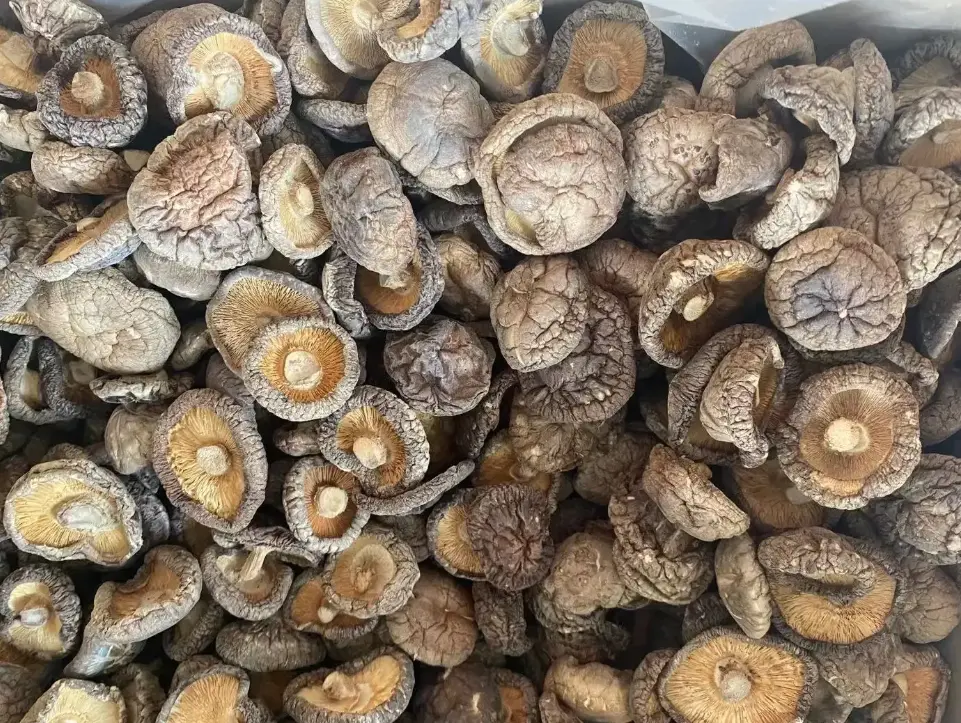
Use HACCP and Hygiene Programs to Manage Processing Risks
HACCP is a preventive management framework, not simply a certificate to display on a company website. Its effectiveness depends on identifying significant hazards, selecting appropriate control measures, establishing scientifically justified limits where required, monitoring performance, and responding correctly when deviations occur.
How HACCP Fits into Mushroom Processing
For a mushroom manufacturer, a typical process map may include raw material receiving, cleaning or sorting, grading, drying where applicable, quality inspection, packaging, and shipment preparation. The actual process flow must reflect the facility and product being assessed.
A hazard analysis evaluates each relevant step to determine whether biological, chemical, or physical hazards could be introduced, increase, or remain uncontrolled. Critical control points(CCPs)should be designated only when the hazard analysis establishes that a step is essential to prevent or eliminate a significant food safety hazard or reduce it to an acceptable level.
Not every inspection point is a CCP. Some risks are better managed through prerequisite programs, such as good manufacturing practices, sanitation, supplier controls, pest management, personnel hygiene, and preventive equipment maintenance.
What Effective Monitoring Should Demonstrate
| Control activity | Purpose | Evidence to review | Response when a problem occurs |
|---|---|---|---|
| Raw material acceptance | Prevent unsuitable inputs from entering production | Supplier records and incoming inspection results | Hold, reject, or investigate the affected delivery |
| Cleaning and sanitation | Reduce contamination risks from equipment and handling environments | Sanitation procedures, schedules, and verification records | Reclean, investigate the cause, and verify effectiveness |
| Process monitoring | Confirm that defined process parameters remain within established limits | Monitoring records and calibrated instrument records where applicable | Follow documented corrective-action procedures |
| Finished-product verification | Assess whether the product meets specified safety and quality requirements | Relevant laboratory reports and inspection results | Hold the lot pending investigation and disposition |
| Traceability checks | Enable identification of affected materials and finished products | Batch records and traceability documentation | Initiate the applicable investigation and withdrawal or recall procedure when warranted |
The FDA and Codex frameworks emphasize that effective food safety systems require both preventive controls and supporting records. The relevant evidence should correspond to the actual process and product; generic forms or a certificate alone cannot demonstrate that every control is functioning properly.
For WUSANGONG and other export-oriented mushroom suppliers, the strongest basis for buyer confidence is a clear explanation of the production process, appropriately implemented controls, and documentation that can be reviewed against the requirements of the intended market.
4. How Testing, Packaging, and Traceability Protect Finished Mushrooms
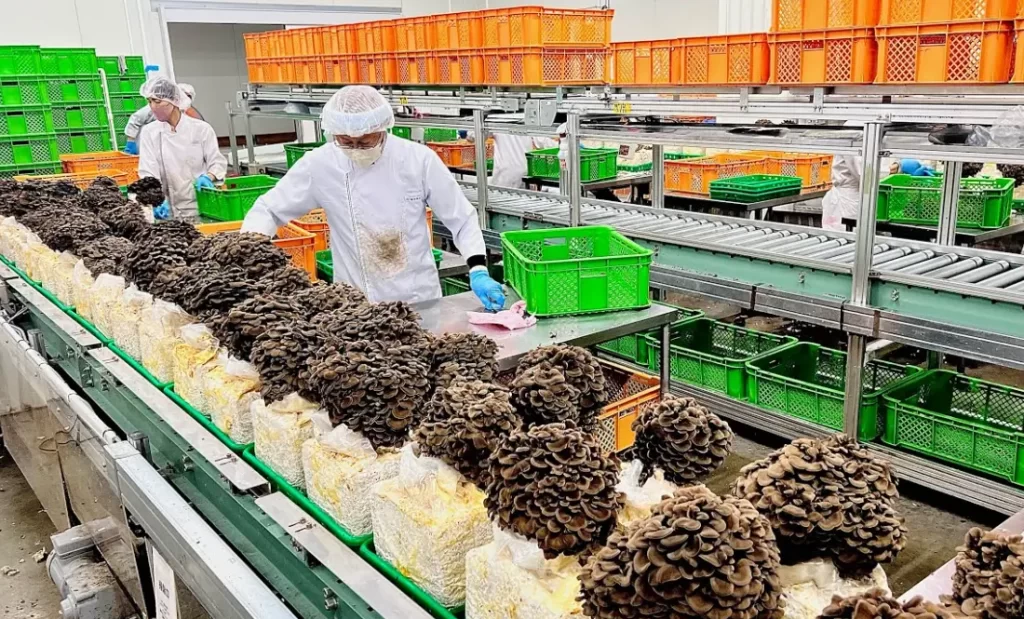
How Testing, Packaging, and Traceability Protect Finished Mushrooms
Even a well-managed production process needs verification. Manufacturers must determine which tests are appropriate for the product, the identified hazards, and the destination market. A long list of laboratory results is not automatically better than a smaller, risk-based testing program.
Which Tests Should Mushroom Manufacturers Consider?
For dried shiitake and other edible mushroom products, the testing plan may cover microbiological hazards, pesticide residues, heavy metals, moisture-related characteristics, and physical contaminants. The specific scope should follow the product’s risk assessment and applicable legal requirements.
According to the FDA’s HACCP guidance, end-product testing cannot replace a properly designed preventive system. Sampling has inherent limitations: a test result applies to the sample analyzed and does not automatically establish that every unit in a production lot is free from the hazard.
One additional consideration for dried mushroom exporters is physical contamination. The FDA maintains Import Alert 25-05 concerning certain dried fungi and mushrooms from China and Hong Kong for filth-related concerns. Importers should review the current alert, its product scope, and applicable firm-specific provisions before shipment. This is a concrete reason to examine foreign-material controls and shipment-specific evidence rather than relying solely on general quality certificates.
What a Certificate of Analysis Should Tell You
A certificate of analysis(COA)is useful only when buyers can establish what was tested and how the results relate to the product being purchased.
| Verification Dimension | What Buyers Should Examine | Warning Sign |
|---|---|---|
| Product identity | Species, product form, and relevant specification | Report describes a different product |
| Batch identification | Lot or batch number linked to the shipment | No clear connection to the supplied lot |
| Test scope | Analytes or organisms actually tested | Broad claims without named tests |
| Laboratory details | Laboratory identity, methods, and relevant competence | Unclear test origin or methodology |
| Results and limits | Reported results, units, and applicable acceptance criteria | Results cannot be interpreted against the specification |
| Sampling information | Sample identity, date, and sampling context | Sample representativeness is unexplained |
| Regulatory relevance | Applicable destination-market requirements | Test panel is assumed to cover every legal requirement |
A COA should be assessed alongside the supplier’s hazard controls, sampling procedures, and lot-release process. Where a buyer needs independent assurance, third-party testing may be appropriate, subject to a clear sampling plan and agreed analytical scope.
Packaging and storage matter just as much. Dried mushrooms must be protected against moisture ingress, damaged packaging, and unsuitable storage conditions. Fresh mushrooms require controls appropriate to their perishability. Neither product should be considered protected simply because the outer carton appears intact.
5. How Buyers Can Verify a Mushroom Manufacturer’s Food Safety System
How Buyers Can Verify a Mushroom Manufacturer’s Food Safety System
For international procurement teams, supplier qualification should be based on verifiable evidence rather than presentation materials alone. A manufacturer may describe its quality management system accurately, but buyers still need to confirm the scope, validity, and practical relevance of the supporting documentation.
Before approving a supplier, request the documents relevant to the product and destination market:
-Current food safety and quality management certificates, including their scope and validity.
-Product specifications and relevant recent laboratory reports.
-Raw material approval and finished-product inspection procedures.
-Batch coding and traceability documentation.
-Packaging specifications and storage recommendations.
-Procedures for handling nonconforming products and investigating complaints.
For U. S.-bound shipments, buyers should also assess which FDA requirements apply to the specific product and importing arrangement. HACCP and FDA preventive controls are related but not identical frameworks; a supplier’s HACCP documentation should not automatically be treated as proof of compliance with every applicable U. S. requirement.
For WUSANGONG, the practical opportunity is to support qualified buyers with accurate product specifications and available, relevant quality documentation. Any claim about certification, testing frequency, or traceability capability should be supported by current company records.
Frequently Asked Questions About Mushroom Food Safety
1. How do mushroom manufacturers control food safety?
Manufacturers use risk-based hazard analysis, hygienic production practices, appropriate process controls, relevant testing, protective packaging, and traceability. HACCP helps organize these measures into a documented preventive system. The exact controls depend on the mushroom product, manufacturing process, intended use, and destination-market requirements.
2. Does drying eliminate all food safety hazards in mushrooms?
No. Drying reduces moisture and can inhibit microbial growth when the product reaches and maintains suitable conditions. However, it does not automatically eliminate every microorganism or remove chemical contaminants. Manufacturers must assess the drying process, prevent post-process contamination, and protect the finished product during storage and transport.
3. What tests should importers request for dried shiitake mushrooms?
Testing should be selected according to the product risk assessment, intended use, and applicable market requirements. Depending on those factors, the program may include microbiological testing, pesticide residue analysis, heavy-metal analysis, moisture-related measurements, and foreign-material inspection. Buyers should confirm that the laboratory reports identify the product, testing scope, and relevant batch.
4. Is a HACCP certificate enough to qualify a mushroom supplier?
No. Buyers should examine the certificate’s validity and scope, but also review the supplier’s actual controls, relevant audit findings, product specifications, testing evidence, and traceability procedures. A certificate is one piece of evidence, not a guarantee that every shipment meets every requirement.
5. How can buyers trace a contaminated mushroom batch?
A manufacturer should maintain records that connect incoming materials with processing batches, finished-product lot codes, and relevant shipment documentation. If a potential safety issue arises, these records help identify affected products, investigate the cause, and support appropriate product holds, withdrawals, or recalls. Buyers should ask how the system works in practice and what evidence demonstrates its effectiveness.
Expert Verdict: Verify the Process Before You Place the Order
The best mushroom supplier is not simply the one offering the lowest price or the most impressive certificate. It is the one that can explain its controls, substantiate its claims, and connect the evidence to the product you are buying.
When evaluating how mushroom manufacturers control food safety, prioritize three things: documented preventive controls, relevant batch-level evidence, and traceability that supports effective action when something goes wrong. For global buyers sourcing from China, these checks provide a more defensible basis for supplier approval and long-term purchasing decisions.
References:
Codex Alimentarius – General Principles of Food Hygiene (CXC 1-1969)