For food manufacturers and wholesale buyers, dried oyster mushrooms vs shiitake is not simply a question of which mushroom tastes better. The right choice depends on flavor intensity, texture after rehydration, processing requirements, and the cost of obtaining the finished ingredient your product actually needs.
Dried shiitake (Lentinula edodes) is often selected for its pronounced savory aroma and suitability for concentrated soup bases, sauces, and Asian food products. Dried oyster mushrooms (Pleurotus species), meanwhile, offer a different flavor profile and can suit applications where mushroom texture, ingredient diversity, or a milder taste is preferred. Neither is automatically superior. The final result depends on the mushroom species, drying method, grade, and intended application.
| Comparison factor | Dried oyster mushrooms | Dried shiitake mushrooms |
|---|---|---|
| Flavor profile | Generally mild to savory, depending on species and processing | Often pronounced, savory, and rich in characteristic mushroom aroma |
| Texture after rehydration | Varies by species, cut, and drying conditions | Varies by cap thickness, grade, and drying method |
| Potential applications | Soups, mixed vegetable products, sauces, and mushroom ingredients | Soup bases, sauces, instant noodles, seasonings, and Asian food products |
| Processing considerations | Species identification and consistent cutting are important | Aroma consistency, cap characteristics, and rehydration performance matter |
| Purchasing priorities | Species, cut, yield, and batch consistency | Grade, aroma, moisture specification, and batch consistency |
For procurement teams, the practical takeaway is straightforward: choose by application and verified product performance, not by mushroom name alone.
1. Flavor and Umami: Which Mushroom Tastes Stronger?
Flavor is often the first reason buyers compare these two products. It is also where an oversimplified comparison can lead to the wrong purchasing decision.
Dried Shiitake: A Distinctive Savory Profile
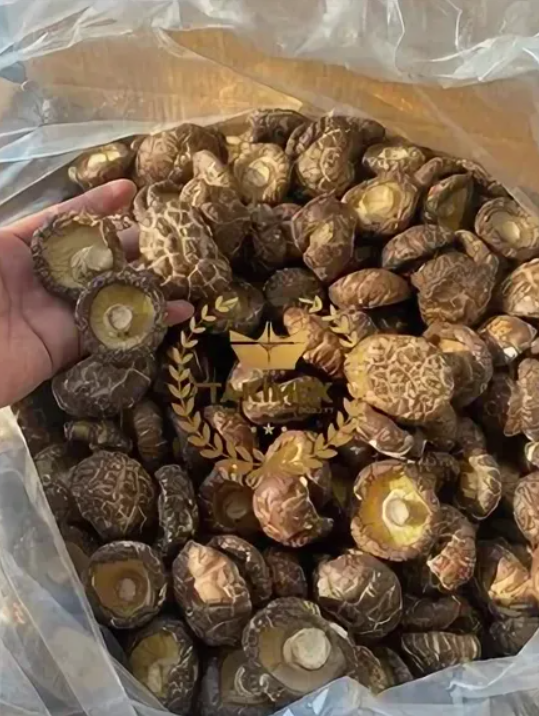
Dried Shiitake: A Distinctive Savory Profile
Shiitake is valued for its recognizable savory aroma, making it a strong candidate for products where mushroom character needs to remain noticeable after cooking. Its dried form is particularly relevant to soup concentrates, seasoning blends, sauces, and other applications in which flavor extraction matters.
The result, however, is not determined by species alone. Drying conditions influence the formation and retention of volatile aroma compounds and taste-active substances. A batch that performs well in one preparation method may not deliver identical results in another.
According to a 2019 study published in Food Chemistry, high-temperature pre-drying affected shiitake rehydration characteristics, texture, browning, and aroma-related compounds. This demonstrates why buyers should evaluate processing history alongside product identity rather than assume all dried shiitake performs equally.
Dried Oyster Mushrooms: A Different Kind of Mushroom Character
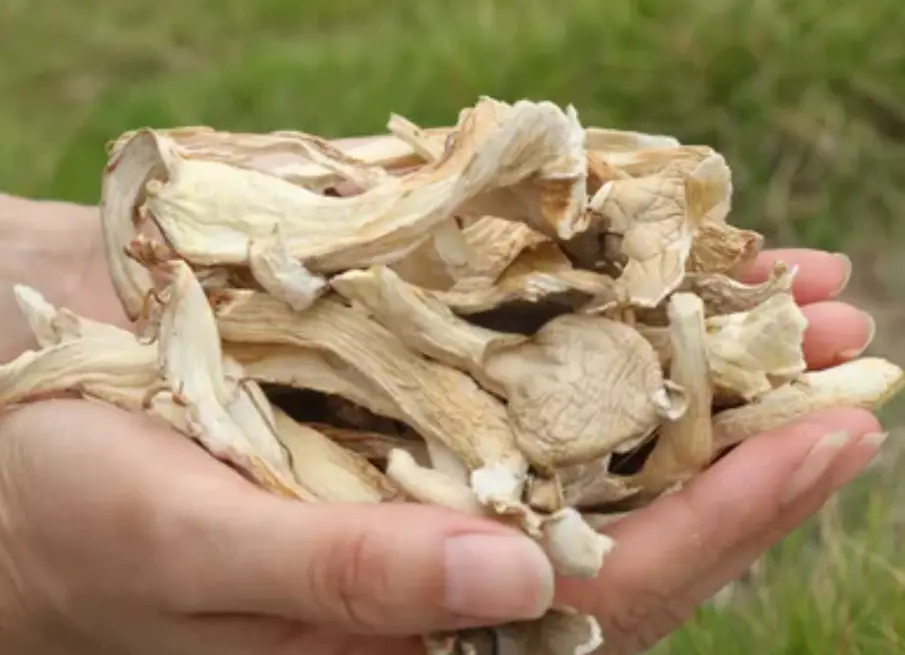
Dried Oyster Mushrooms: A Different Kind of Mushroom Character
Oyster mushrooms can provide a savory mushroom note without necessarily producing the same characteristic aroma profile as shiitake. Their suitability depends on the species supplied and the sensory requirements of the finished product.
For food processors, that difference can be useful. A formulation may require a subtle mushroom background rather than a dominant shiitake note. In other products, the stronger identity of shiitake may be exactly what the recipe demands.
Based on our experience with dried shiitake sourcing and buyer specifications, flavor should be evaluated against the finished product’s requirements rather than judged from dry samples alone. Buyers should prepare representative samples using the intended soaking, cooking, and seasoning process before approving a bulk order.
A simple sensory assessment should consider:
- Aroma intensity before and after rehydration.
- Savory character in the finished recipe.
- Presence of unwanted musty, smoky, or other off-odors.
- Consistency between samples from different production lots.
These observations should be documented under consistent test conditions. They are more useful for procurement than an unsupported claim that one species always delivers superior flavor.
2. Texture and Rehydration: What Happens After Soaking?
A dried mushroom can look attractive in its package yet disappoint when it enters a production line. It may soften excessively, retain an unexpectedly firm texture, or release a different amount of water than the formulation requires.
Why Drying Method Matters
Drying removes water, but it also changes the physical structure of mushroom tissue. Temperature, humidity, drying speed, raw-material condition, and the selected technology can all influence shrinkage, color, hardness, and rehydration.
Research published in Food Research in 2023 reviewed drying treatments for oyster and shiitake mushrooms, highlighting the relationship between processing methods and product quality. Studies of shiitake drying methods likewise show that rehydration performance can differ substantially between processing techniques.
These findings support an important purchasing principle: a species-level comparison is useful for initial selection, but it cannot replace a product-specific performance test.
How Buyers Should Measure Rehydration Yield
For industrial purchasing, rehydration yield is more useful when the measurement procedure is consistent across suppliers.
A practical test should record:
- The initial mass of the dried mushroom sample.
- The soaking water temperature and soaking duration.
- The draining procedure and draining time.
- The final rehydrated mass.
- The texture, visible defects, and amount of material lost during preparation.
Calculate the mass-based rehydration ratio as follows:
Rehydration ratio = Drained rehydrated mass ÷ Initial dried mass
For example, if a hypothetical 100 g dried sample produces 400 g of drained rehydrated mushrooms, the ratio is 4.0. This is an illustrative calculation, not a measured result for either species.
The distinction matters because a high rehydration ratio does not automatically mean better quality. Excessively soft texture, broken pieces, or inconsistent results can undermine the value of the additional mass.
3. Nutrition: Compare Like with Like
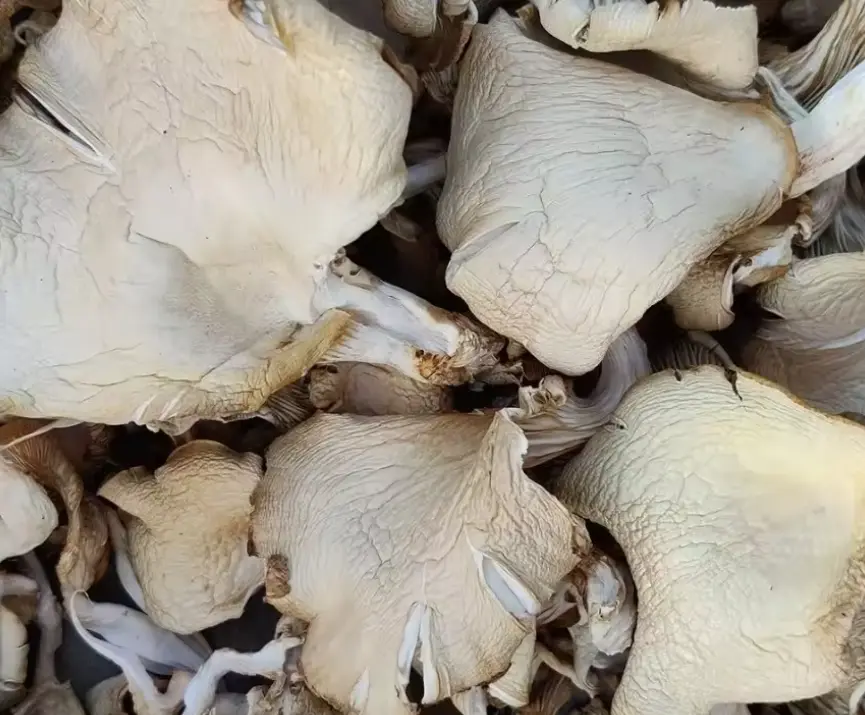
dried oyster mushrooms
Nutritional comparisons between dried oyster mushrooms and shiitake require more care than many general comparison articles suggest.
Drying concentrates solids by removing water, so nutritional values expressed per 100 g of dried product cannot be compared directly with values expressed per 100 g of fresh mushrooms. Even comparisons between two dried products require attention to species, moisture content, processing conditions, and the analytical basis used.
Protein, Dietary Fiber, and Micronutrients
Both mushroom groups can contribute protein, dietary fiber, and minerals to food formulations. However, the actual composition varies with species, cultivation conditions, maturity, and processing.
For commercial food development, buyers should request reliable compositional data when specific nutritional claims are important. Where a product will be marketed using nutrient claims, those claims should be verified against the applicable analytical and labeling requirements.
A useful comparison should document the following:
| Evaluation dimension | What should be compared | Why it matters to buyers |
|---|---|---|
| Product basis | Dried weight, fresh weight, or dry matter | Prevents misleading concentration comparisons |
| Protein | Reported value and analytical method | Supports formulation and substantiated labeling claims |
| Dietary fiber | Total fiber value and test method | Helps evaluate ingredient specifications |
| Minerals | Individual minerals rather than broad generalizations | Supports specific nutritional objectives |
| Moisture | Measured moisture content of each sample | Helps interpret results reported per unit of product mass |
| Processing history | Drying method and relevant preparation conditions | Helps explain differences between otherwise similar samples |
According to the peer-reviewed review of oyster and shiitake drying treatments published in Food Research, drying technologies can influence mushroom quality and nutritional characteristics. The findings should not be interpreted as proof that one species is universally more nutritious than the other.
For R&D teams, the better question is which verified composition and sensory profile fits the target formulation. For wholesalers, consistent documentation across lots is more valuable than an unsupported claim that one mushroom is nutritionally superior.
4. Best Applications for Food Manufacturers and Foodservice Buyers
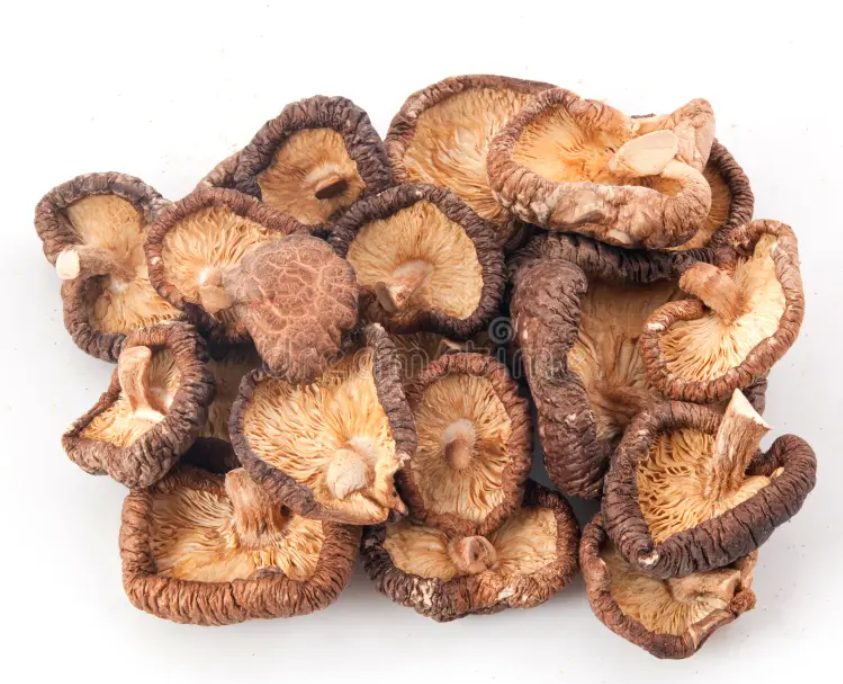
dried shiitake mushrooms
The most effective selection strategy starts with the finished product, then works backward to the ingredient specification.
Soup Bases, Stocks, and Sauces
Shiitake is a natural candidate when a recognizable, savory mushroom profile is desired. Buyers should assess the aroma and flavor of the prepared ingredient in the actual soup or sauce matrix, because salt, fats, seasonings, and other ingredients can change the final sensory balance.
Oyster mushrooms may be appropriate where a different mushroom profile is preferred or where the product formulation benefits from a broader mix of mushroom ingredients. Suitability should be confirmed through application trials.
Instant Noodles, Ready Meals, and Frozen Foods
For these applications, flavor is only part of the decision. Cut size, rehydration behavior, texture after heating, and consistency between batches can affect both manufacturing efficiency and the consumer experience.
Whole caps, slices, smaller pieces, and broken material serve different purposes. Buyers should match the product format to the production process instead of assuming that a premium whole-mushroom grade is always the most economical option.
Mushroom Powder and Seasoning Formulations
Powdered ingredients require a different evaluation from whole or sliced mushrooms. Flavor concentration, particle size, moisture control, ingredient identity, and consistency become especially important.
For either mushroom type, request samples in the intended format and evaluate them under actual processing conditions before committing to a commercial specification.
The commercial decision is ultimately about performance: the mushroom must deliver the required flavor, texture, consistency, and usable yield at a cost that makes sense for the finished product.
5. Price and Cost Efficiency: What Wholesale Buyers Should Compare
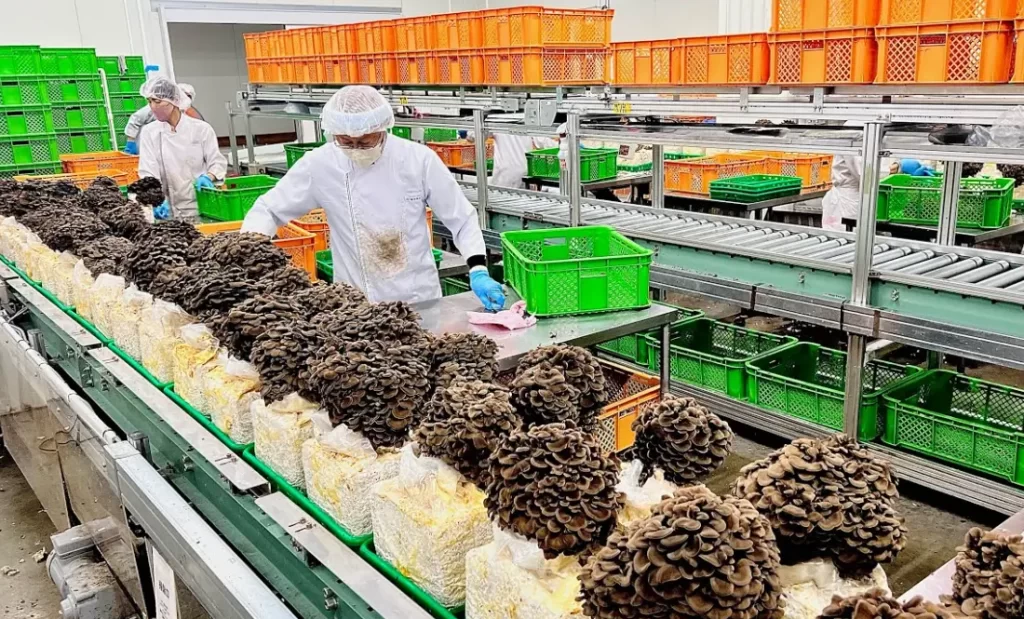
What Wholesale Buyers Should Compare
A lower quotation does not necessarily mean a lower production cost. When comparing dried oyster mushrooms with dried shiitake, procurement teams should evaluate the price against the actual usable ingredient delivered to the production line.
Three variables deserve particular attention: product grade, rehydration yield, and processing losses. Whole caps, uniform slices, and broken pieces may carry different prices because they serve different applications. The right specification is the one that meets the product’s requirements without paying for features the production process does not need.
A practical purchasing comparison should include:
- Price per kilogram: Compare quotations for equivalent species, cut, grade, packaging, and delivery terms.
- Usable yield: Measure how much material remains suitable after rehydration, draining, and trimming.
- Processing consistency: Check whether multiple lots produce comparable flavor, texture, and yield.
- Total landed cost: Include freight, insurance where applicable, import charges, inspection, and other relevant expenses.
For example, a manufacturer producing instant soup may prioritize a consistent savory profile and predictable extraction, while a ready-meal producer may place greater weight on visible pieces and texture. These buyers should not necessarily choose the same product grade.
The most reliable approach is to compare supplier quotations alongside sample-test results. Without comparable specifications and current offers, any claim that one mushroom is categorically cheaper would be misleading.
6. Quality Assurance: How to Evaluate Dried Mushroom Suppliers
Quality assurance begins before the shipment arrives. A well-written purchasing specification defines what the buyer expects, how the product will be tested, and what happens if a batch fails to meet the agreed requirements.
The Codex Alimentarius standard for dried edible fungi, CXS 39-1981, provides an international reference for product characteristics, moisture limits, defects, hygiene, and packaging. It specifies maximum water content of 12% by mass for dried edible fungi other than shiitake, and 13% for dried shiitake, with a separate 6% limit for freeze-dried fungi. These figures are standard-specific reference values, not a substitute for checking the applicable destination-market rules, product category, and purchase contract.
Incoming Inspection Checklist
| Quality dimension | What buyers should verify | Why it matters |
|---|---|---|
| Species and product identity | Scientific name, product form, and declared origin | Prevents substitution and specification mismatches |
| Moisture content | Test result against the agreed specification | Helps assess drying consistency and storage suitability |
| Water activity (aw) | Measured value where required by the food-safety plan or specification | Helps evaluate the availability of water for microbial growth |
| Appearance and aroma | Characteristic color, acceptable aroma, and absence of visible spoilage | Supports sensory quality and defect screening |
| Foreign matter and damage | Insects, mineral impurities, excessive breakage, and other defects | Helps establish lot acceptance criteria |
| Food safety documentation | Applicable microbiological results, residue tests, and traceability records | Supports risk-based supplier qualification |
| Packaging and labeling | Moisture protection, intact seals, lot codes, and correct product identification | Reduces the risk of moisture uptake and traceability failures |
Moisture content and water activity should not be treated as interchangeable measurements. The US Food and Drug Administration explains that water activity is relevant to food stability and must be controlled appropriately for the product and its storage conditions.
Buyers should also request documentation that matches the risks of the product and the destination market. Depending on the product and market, this may include microbiological testing, pesticide-residue analysis, contaminant testing, and evidence of traceability. A supplier’s general statement about quality is not a replacement for appropriate records.
Packaging deserves equal attention. Even a properly dried mushroom can absorb moisture if packaging is damaged or unsuitable for the distribution environment. Specify the packaging format, required barrier properties, seal integrity, storage conditions, and lot identification before production begins.
7. How to Source Dried Oyster Mushrooms and Shiitake in Bulk
A dependable bulk purchase starts with a written specification, not a price list. Before requesting a quotation, define the species, product form, grade, packaging, intended use, target volume, and destination market.
The Codex standard also addresses product identification and labeling, including the species name and whether the product is whole, capped, sliced, or freeze-dried. Buyers can use these details to reduce ambiguity when comparing offers from different suppliers.
For each prospective supplier, request representative samples, a product specification sheet, available test reports, lot traceability information, and packaging details. Confirm minimum order quantities, lead times, payment terms, and shipping arrangements in writing rather than assuming these are standard across suppliers.
For WUSANGONG, the most relevant sourcing discussion is its documented shiitake expertise and quality-control approach. Any offer involving dried oyster mushrooms should be confirmed against the company’s actual product availability before a buyer relies on it.
Frequently Asked Questions
1. Can dried oyster mushrooms replace dried shiitake mushrooms?
Yes, in some recipes, but the substitution may change the aroma, flavor intensity, texture, and amount of liquid absorbed. Test the alternative in the actual recipe before approving a formulation change.
2. Which has a stronger umami flavor, dried oyster mushrooms or shiitake?
Dried shiitake is generally associated with a pronounced savory flavor and characteristic aroma. However, the difference depends on species, drying conditions, product grade, and preparation method. A controlled sensory test is the best way to establish suitability for a specific product.
3. Which dried mushroom is better for commercial soup production?
Shiitake can be suitable when a distinctive mushroom aroma and savory character are desired. Oyster mushrooms may suit formulations requiring a different flavor profile or mushroom format. The final choice should be based on extraction performance, sensory trials, consistency, and total ingredient cost.
4. How should buyers compare wholesale dried mushroom prices?
Compare equivalent species, grades, cuts, moisture specifications, packaging, and delivery terms. Then calculate cost per kilogram of usable ingredient using measured rehydration yield and processing losses. A lower purchase price does not necessarily produce a lower finished-product cost.
5. What documents should buyers request from a bulk dried mushroom supplier?
Depending on the destination market and product, request a product specification sheet, relevant laboratory test reports, traceability records, packaging and labeling details, and applicable food-safety documentation. Confirm import requirements with the relevant authorities or qualified compliance personnel.
Expert Verdict
Choose the mushroom that performs best in your finished product, not the one with the most attractive quotation. For bulk buyers, a controlled sample test, a clearly defined specification, and documented quality checks are the foundation of a reliable sourcing decision. Dried oyster mushrooms and shiitake serve different purposes; the strongest purchasing strategy recognizes those differences and measures their commercial impact.
References:
Utah State University – The Microstructure and Rehydration Properties of the Phoenix Oyster Mushroom
University of Missouri Extension – Safety of Home Dried Mushrooms