For international food buyers, the dried shiitake mushroom bulk price per kilogram is not a single fixed number. It depends on product grade, cap size, thickness, moisture specification, drying method, order volume, packaging, and shipping terms. A quotation that looks attractive at first glance can become expensive when the actual quality or delivery conditions do not match the buyer’s requirements.
Public supplier listings provide useful reference points, but they must be interpreted carefully. Some commercial listings advertise dried shiitake products at around US$8–15 per kilogram, for example, but this is an indicative marketplace range, not a verified market average or a confirmed WUSANGONG factory quotation. Product specifications, order quantities, and quotation conditions may differ substantially between listings.
For wholesale distributors, food manufacturers, and supermarket procurement teams, the better question is not simply, “Which supplier offers the lowest price?” It is, “Which supplier delivers the required specification at a competitive and predictable total cost?”
| Purchasing Factor | What Buyers Should Compare | Why It Affects the Quotation |
|---|---|---|
| Product grade | Cap appearance, size, thickness, defects | Different commercial specifications may command different prices |
| Product form | Whole caps, slices, broken pieces, stems | Processing requirements and intended applications differ |
| Moisture content | Agreed maximum and testing method | Affects product stability and comparability |
| Order volume | Trial order versus commercial shipment | Suppliers may offer different volume-based quotations |
| Drying process | Sun-dried or machine-dried, as specified | Processing conditions can affect appearance, aroma, and consistency |
| Packaging | Bulk cartons, food-grade liners, retail packs | Material and customization requirements affect cost |
| Shipping terms | EXW, FOB, CIF, or DDP | Determines which logistics and delivery costs are included |
The practical lesson is straightforward: compare equivalent products under equivalent commercial terms before making a purchasing decision.
Understanding Wholesale Price Benchmarks
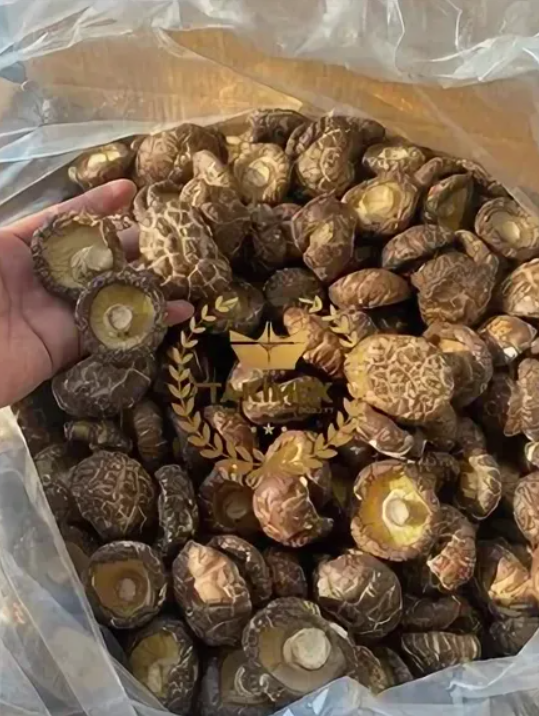
Understanding Wholesale Price Benchmarks
According to publicly available supplier listings and trade-price resources, advertised prices and reported trade values can differ significantly because they represent different products, transaction conditions, and data collection methods. A marketplace asking price is not necessarily the price paid in a completed transaction.
For a reliable comparison, buyers should record the quotation date, currency, net weight, grade specification, minimum order quantity (MOQ), destination, and Incoterm. Without these details, even two quotations expressed in US dollars per kilogram may describe commercially different offers.
Based on our experience with bulk food procurement requirements, the most useful quotation is one that removes uncertainty before the purchase order is issued. A transparent specification can be more valuable than a seemingly lower opening price.
7 Factors That Influence Bulk Dried Shiitake Mushroom Prices
1. Mushroom Grade, Cap Size, and Thickness
Two shipments of dried shiitake mushrooms can look similar in a catalogue yet differ considerably in commercial value. Whole caps with consistent size, attractive appearance, and substantial thickness may suit premium foodservice or retail applications. Smaller caps, irregular pieces, and broken mushrooms can be more appropriate for industrial processing.
There is no universal international A/B/C grading system for all dried shiitake suppliers. Buyers should request the supplier’s written grading criteria rather than rely on a grade label alone.
2. Moisture Content and Drying Method
Moisture specifications affect storage requirements and the comparability of products sold by net weight. Drying method can also influence aroma, color, texture, and appearance.
Sun-drying and machine-drying should not automatically be ranked as superior or inferior. The outcome depends on the actual process, raw materials, and quality controls. Buyers should compare samples and request the agreed moisture specification and testing method.
3. Whole Caps, Slices, and Broken Pieces
Product form is another important pricing variable. Whole caps may be suitable for retail packs and foodservice, while sliced mushrooms and broken pieces can serve soup manufacturers, seasoning producers, and prepared-food factories.
A lower-priced product is not necessarily a better deal if it requires additional sorting, trimming, or processing before use.
4. Order Volume, Packaging, and Supply Planning
Larger orders may qualify for different commercial terms, but savings are not automatic. Customized retail packaging, special labeling, additional testing, and more demanding specifications can offset some volume advantages.
For repeat buyers, a clear annual purchasing forecast can be more useful than negotiating only on the first shipment. It allows suppliers to evaluate production planning, packaging requirements, and shipment schedules against a defined demand profile.
Comparing Product Specifications Before Requesting a Quote
| Specification | Premium Whole Caps | Standard Whole Caps | Processing-Grade Pieces |
|---|---|---|---|
| Primary use | Premium retail and foodservice | General wholesale and foodservice | Soups, sauces, and ingredient production |
| Appearance | Defined appearance criteria | Broader acceptable variation | Appearance requirements depend on application |
| Size consistency | Tighter buyer-defined range | Buyer-defined commercial range | Often less important than functional suitability |
| Breakage tolerance | Usually more restrictive | Agreed commercial tolerance | Must be specified for the intended process |
| Moisture specification | Contractually agreed | Contractually agreed | Contractually agreed |
| Price comparison | Compare against equivalent premium specifications | Compare against equivalent standard specifications | Compare against equivalent processing formats |
These categories are practical purchasing descriptions, not universal industry grades. The actual specification must be agreed with the supplier.
How to Evaluate Supplier Quotes Without Overpaying
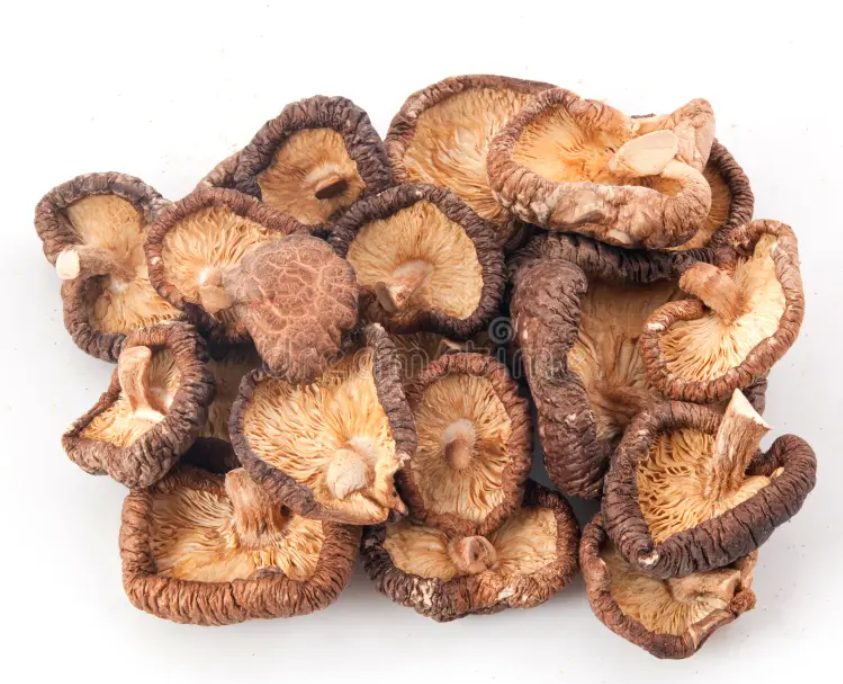
How to Evaluate Supplier Quotes Without Overpaying
The most reliable way to compare suppliers is to standardize the request before collecting quotations. Send each supplier the same product description, quantity, packaging requirements, destination, and delivery term. This prevents a low headline price from disguising differences in the actual goods or services offered.
According to Tridge’s September 2026 dried shiitake market update, reported trade activity covered multiple countries and showed substantial variation in observed unit prices. The report also includes individual transaction values that differ sharply from one another, illustrating why aggregated trade data should be treated cautiously rather than as a direct quotation for a particular product grade.
Tridge
Before approving a supplier, ask for:
-
A product specification sheet defining grade, size, moisture, and acceptable defects.
-
A representative sample from the proposed product range.
-
Relevant test reports and batch traceability information.
-
The MOQ, packaging format, and quotation validity period.
-
A written quotation specifying the Incoterm and named place or port.
-
Confirmation of any additional inspection, documentation, or packaging charges.
The goal is not simply to find the lowest price per kilogram. It is to secure the required product specification at a competitive, transparent, and repeatable cost.
How to Calculate the Landed Cost of Bulk Dried Shiitake Mushrooms
A competitive supplier quotation is only part of the purchasing decision. Importers must also understand which costs are included, which remain payable at destination, and who is responsible for each stage of transportation.
For buyers sourcing dried shiitake mushrooms from China, the difference between an attractive FOB quotation and the final delivered cost can affect the profitability of an entire shipment.
EXW vs. FOB vs. CIF vs. DDP Pricing
These Incoterms® 2020 rules allocate different responsibilities between the seller and buyer. Their exact obligations depend on the named place, port, and agreed contract terms.
| Trade Term | Seller’s General Responsibility | Buyer’s Main Considerations |
|---|---|---|
| EXW (Ex Works) | Makes goods available at the agreed location | Collection, export arrangements where applicable, freight, import clearance, and delivery |
| FOB (Free On Board) | Delivers goods on board the vessel at the named port of shipment | Main sea freight, insurance if required, import clearance, and destination costs |
| CIF (Cost, Insurance and Freight) | Arranges and pays sea freight and specified insurance to the named destination port | Import clearance, applicable duties and taxes, and onward delivery; risk transfers earlier at shipment |
| DDP (Delivered Duty Paid) | Assumes broad delivery responsibilities, including import clearance and applicable duties under the agreed terms | Confirm the named destination, tax treatment, and the seller’s ability to perform the required import formalities |
FOB and CIF are maritime terms intended for sea and inland waterway transport. They should not be used indiscriminately for every shipping method. DDP also requires careful review of local import and tax requirements.
Which Additional Costs Should Buyers Budget For?
Depending on the shipment and destination, additional costs may include:
-
International freight and cargo insurance.
-
Customs brokerage and import duties.
-
Destination terminal handling and documentation fees.
-
Inspection, laboratory testing, or other compliance expenses.
-
Local transport, warehousing, and distribution.
-
Packaging changes or labeling required by the destination market.
Do not assume that every cost applies to every shipment. Request a written breakdown and verify applicable charges with the freight forwarder and customs broker.
Quality Assurance Checklist for Bulk Dried Shiitake Purchases
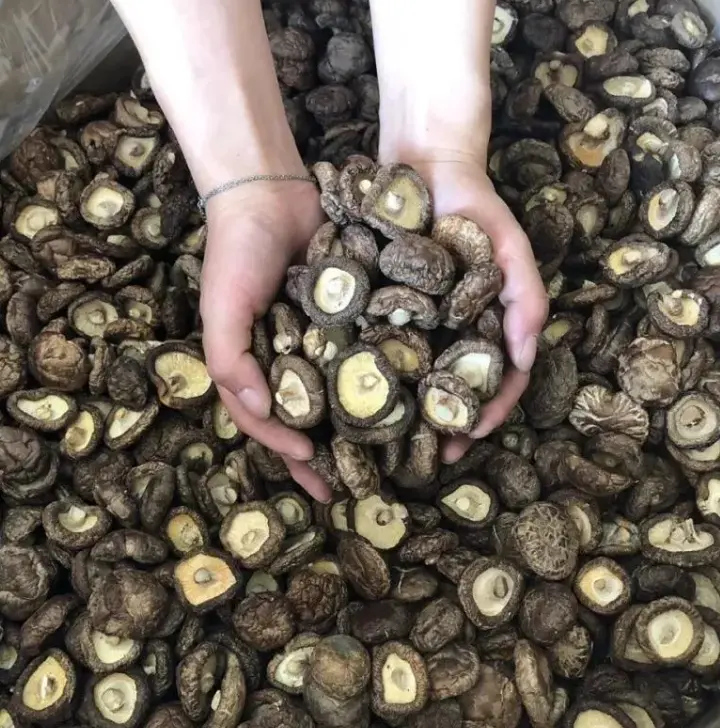
Quality Assurance Checklist for Bulk Dried Shiitake Purchases
A low quotation offers little protection if the shipment fails to meet the agreed specification. For food manufacturers and large distributors, quality assurance should begin before the purchase order is confirmed, not after the goods arrive.
What Should Importers Verify?
| Quality Dimension | Verification Method | Evidence to Request | Commercial Risk if Overlooked |
|---|---|---|---|
| Appearance and grading | Inspect representative samples against agreed criteria | Product specification and approved sample | Inconsistent retail presentation or processing yield |
| Moisture content | Test using an agreed method | Test results and acceptance limits | Storage instability or disagreement over product quality |
| Aroma and color | Compare samples under consistent evaluation conditions | Approved reference sample and quality criteria | Batch variation affecting the finished product |
| Foreign matter and defects | Inspect samples and define contractual tolerances | Inspection records and defect limits | Sorting losses and potential product rejection |
| Microbiological safety | Apply risk-based testing appropriate to the product and destination | Relevant laboratory reports | Food safety concerns or compliance problems |
| Pesticide residues and contaminants | Determine applicable limits and test where required | Relevant analytical reports | Border delays, rejection, or regulatory non-compliance |
| Traceability | Review lot identification and supporting records | Batch codes and traceability documentation | Difficult investigations or product recalls |
| Packaging integrity | Check food-contact suitability, seals, and labeling | Packaging specifications and approved artwork | Contamination, damage, or labeling disputes |
Testing requirements should reflect the destination market, intended use, product risk, and applicable regulations. A supplier’s certificate or test report is evidence to assess, not an automatic guarantee that every shipment complies.
Why Traceability and Documentation Matter
For large food distributors and processing factories, traceability connects the received shipment with its product lot and supporting records. Buyers should establish how batch identification is maintained through processing, packaging, and shipment, and how discrepancies can be investigated.
Before approving a supplier, verify the scope and validity of any claimed certifications, request relevant documentation, and agree on inspection and acceptance procedures in the purchase contract.
Why Source Bulk Dried Shiitake Mushrooms from China?
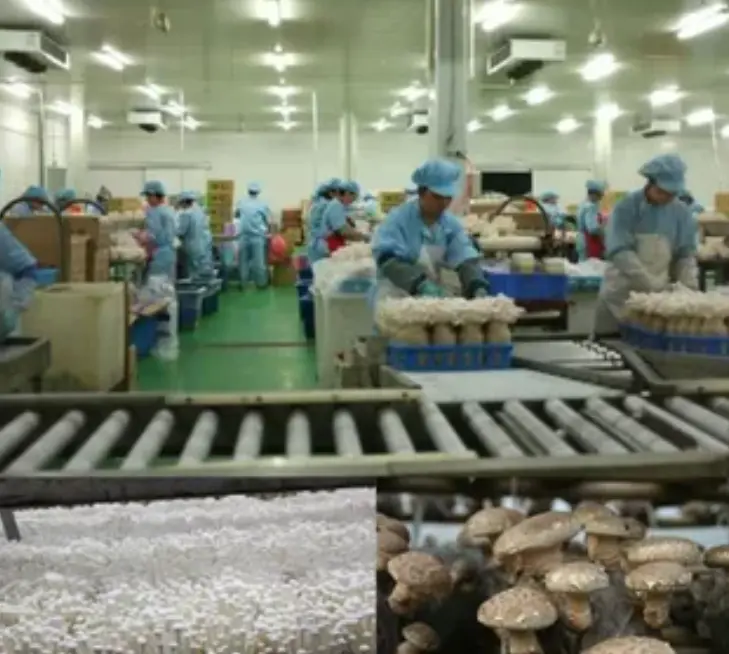
Why Source Bulk Dried Shiitake Mushrooms from China
China is an important sourcing option for international buyers seeking dried shiitake mushrooms in commercial quantities. However, country of origin alone does not establish product quality, competitive pricing, or supplier reliability. Buyers still need to assess the manufacturer’s specifications, production controls, documentation, and ability to meet delivery requirements.
WUSANGONG, established in 1996 according to its company profile, is based in Qingyuan, Zhejiang, a region associated with a long history of shiitake cultivation. Its stated business covers mushroom production, processing, sales, and export-oriented supply.
For buyers evaluating WUSANGONG, the practical next step is to confirm the available product grades, current specifications, order quantities, packaging options, and applicable quality documentation directly with the company. These details should form the basis of a comparable quotation rather than relying on a general price estimate.
Frequently Asked Questions About Dried Shiitake Mushroom Bulk Prices
1. What Is the Bulk Price of Dried Shiitake Mushrooms per Kilogram?
The price depends on product grade, size, moisture specification, processing method, order volume, and shipping terms. Online supplier listings can provide preliminary benchmarks, but buyers should verify the product specification and quotation date before using a price for budgeting.
2. What Is the MOQ for Wholesale Dried Shiitake Mushrooms from China?
The minimum order quantity varies by supplier, product format, packaging, and customization requirements. Ask whether the MOQ applies to each grade, each packaging design, or the total shipment. Confirm the available trial-order options before committing to a larger purchase.
3. Are Whole Dried Shiitake Mushrooms More Expensive Than Sliced Mushrooms?
They can be, particularly when whole caps must meet tighter appearance and size requirements. However, there is no universal price relationship. Compare products with equivalent quality specifications and consider the additional processing costs associated with each format.
4. How Can Importers Reduce the Total Cost of Bulk Dried Shiitake Mushrooms?
Start by standardizing product specifications and requesting comparable quotations from multiple suppliers. Evaluate shipment size, packaging efficiency, freight terms, testing costs, and product suitability. Avoid purchasing excessive inventory merely to obtain a volume discount, especially when storage capacity and demand forecasts are uncertain.
5. What Information Is Needed to Request a Wholesale Dried Shiitake Mushroom Quote?
Provide the intended product form, grade requirements, target moisture specification, estimated quantity, packaging format, destination country, preferred Incoterm, and required documentation. If you need private-label packaging, include the labeling and artwork requirements. These details help suppliers prepare a more meaningful quotation.
Expert Verdict: Compare the Specification, Not Just the Price
The best dried shiitake mushroom bulk price per kilogram is the price that delivers the quality your business needs under clearly defined commercial terms. For global buyers, a verified product specification, transparent cost breakdown, and documented quality controls are more valuable than an unsupported low-price promise.
Before placing a bulk order, obtain a written quotation, approve a representative sample, and verify the quality documentation. That is the more reliable path to controlling procurement costs and building a consistent supply relationship.
Price Disclaimer
Please note that dried shiitake mushroom prices may fluctuate depending on raw material availability, product grade, seasonal supply conditions, processing costs, order volume, packaging requirements, and international freight rates. Any prices mentioned in this article are provided for general reference only and should not be considered a binding commercial offer. Actual prices may vary according to product specifications, destination markets, and delivery terms. Please contact WUSANGONG directly for the latest product quotations and customized wholesale pricing.
References:
General Principles of Food Hygiene (CXC 1-1969)
Safety of Home Dried Mushrooms – University of Missouri Extension