If you are asking for the best dried shiitake mushroom grade, the short answer is: there is no single grade that is best for every buyer. A premium whole mushroom with a thick cap, strong aroma, clean appearance and high uniformity may be ideal for retail or high-end foodservice, while a slightly less uniform grade can be the smarter choice for soup bases, sauces, seasoning, or industrial processing.
| Buyer Requirement | Recommended Quality Focus | Why It Matters |
|---|---|---|
| Premium retail | Whole, uniform, attractive caps | Shelf appeal and consumer perception |
| Restaurant/foodservice | Thick caps+strong aroma | Texture and culinary performance |
| Food processing | Consistent size+moisture+yield | Production efficiency |
| Seasoning/extraction | Slices, pieces or processing grade | Lower visual requirements and better cost control |
| Private label | Stable specification+traceability | Repeatability across shipments |
The problem starts when a supplier simply writes “Grade A” on a quotation and expects the buyer to accept it. Based on our experience with dried mushroom sourcing and export-oriented quality control, that label alone tells a professional purchaser very little. “Grade A,”“Premium,”“AAA,”“Flower Mushroom,” and similar commercial terms are not automatically interchangeable between suppliers or markets. A serious purchasing decision needs measurable specifications behind the name.
Why “Grade A” Does Not Always Mean the Same Thing
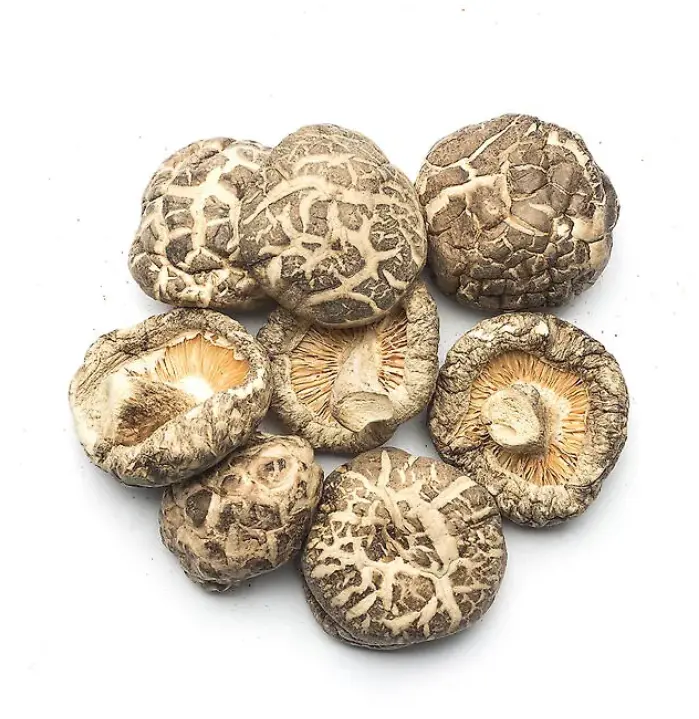
Why “Grade A” Does Not Always Mean the Same Thing
A common mistake in international mushroom purchasing is to compare grades by name rather than by specification. Two suppliers may both offer “Grade A dried shiitake,” yet one batch may contain thick, tightly formed caps with a low broken rate, while another may contain thinner caps, longer stems, greater size variation, or more surface defects.
That difference becomes expensive after the shipment arrives.
For a wholesaler, inconsistent sizing can complicate repacking. For a supermarket, poor visual uniformity affects the retail presentation. For a food manufacturer, excessive stems or inconsistent moisture can reduce usable yield and complicate processing.
The practical approach is to treat grade as a collection of measurable characteristics, not a marketing label.
The 6 Characteristics That Define Commercial Shiitake Quality
The first inspection should focus on the mushroom itself. Cap diameter matters, but it is only one piece of the equation.
1.Cap structure: Premium whole mushrooms generally require sound, well-formed caps without excessive deformation.
2.Cap thickness: Thickness influences appearance, mouthfeel and the perceived value of whole dried mushrooms.
3.Surface and color: Natural variation is expected, but excessive darkening, scorching or abnormal discoloration deserves investigation.
4.Stem proportion: A long or excessive stem can reduce edible yield, particularly in manufacturing applications.
5.Defects and breakage: Insect damage, mold, carbonization, foreign matter and broken caps should be controlled according to the agreed specification.
6.Aroma: Dried shiitake should deliver the characteristic mushroom aroma expected from Lentinula edodes. A strong visual grade does not compensate for poor sensory quality.
International standards provide a useful foundation here. Codex CXS 39-1981 covers dried edible fungi, including dried shiitake, and addresses product requirements and defects.
This is an important distinction for importers: commercial grade and regulatory compliance are related, but they are not the same thing. A mushroom can look attractive and still require appropriate testing and documentation before entering a particular market.
Premium, Standard or Processing Grade: Which One Should You Buy?
The most expensive dried shiitake is not necessarily the most profitable one.
For B2B procurement, the better question is:
Which grade gives my business the required quality at the lowest justified total cost?
A supermarket selling premium whole mushrooms has a very different purchasing logic from a manufacturer producing thousands of kilograms of soup base.
| Grade Position | Typical Physical Profile | Commercial Strength | Best-Fit Application | Procurement Priority |
|---|---|---|---|---|
| Premium whole | Thick caps, uniform, attractive caps | Highest presentation value | Premium retail, restaurants | Appearance+aroma |
| High standard whole | Good cap structure, controlled defects | Strong balance of quality and price | Foodservice, wholesalers | Consistency+yield |
| Standard/processing | Greater size or shape variation | Better cost efficiency | Soup, sauces, prepared foods | Yield+moisture |
| Sliced/pieces | Appearance less important | Efficient for manufacturing | Seasoning, instant foods | Processing performance |
| Broken/small pieces | Low visual value | Lowest raw-material cost | Extraction, powder, industrial use | Functional yield |
This is where experienced suppliers should help rather than simply push the highest-priced product.
According to scientific research on dried shiitake classification, commercial grades can differ in measurable physical and compositional characteristics, reinforcing the need to evaluate grade through objective attributes rather than relying entirely on visual labels.
For Jiangyuan Mushroom, this application-first approach is particularly relevant because dried shiitake can be supplied as whole mushrooms, slices, smaller mushrooms and broken pieces for different downstream uses. A food manufacturer does not necessarily need the same specification as a premium supermarket brand.
And that is the first procurement rule worth remembering:
Buy the specification, not the label.
From Grade Labels to Real Quality: How to Verify Dried Shiitake Before Buying
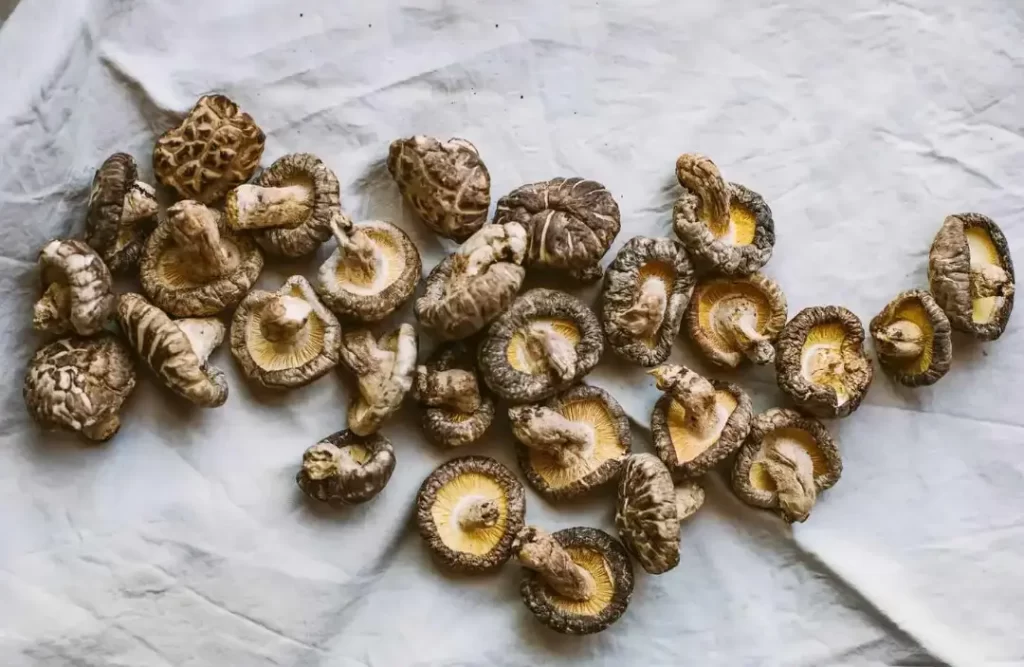
From Grade Labels to Real Quality
A supplier’s grade becomes meaningful only when it can be supported by a repeatable quality-control system. For an international buyer, that means looking beyond cap appearance and checking moisture, drying consistency, defects, traceability, food-safety testing, origin documentation and shipment-to-shipment uniformity.
Based on our experience with dried shiitake sourcing and export supply, the strongest purchasing specification is not necessarily the one with the highest grade name. It is the one that your supplier can reproduce batch after batch, document properly, and deliver within the requirements of your destination market.
What Should a Professional Quality Specification Include?
A useful specification sheet should turn subjective descriptions such as “premium” into measurable purchasing criteria.
| Quality Factor | What the Buyer Should Check | Why It Matters | Recommended Verification |
|---|---|---|---|
| Cap diameter | Agreed size range | Controls retail appearance and processing yield | Sample inspection |
| Cap thickness | Consistency across the lot | Influences texture and perceived quality | Physical measurement |
| Color | Natural, uniform appearance | Helps identify overheating or abnormal processing | Visual inspection |
| Aroma | Characteristic dried shiitake aroma | Indicates sensory quality | Sensory evaluation |
| Moisture | Agreed product specification | Affects storage stability and shipping performance | Laboratory test |
| Broken rate | Defined maximum | Influences usable whole-mushroom yield | Lot inspection |
| Foreign matter | Controlled according to specification | Food-safety requirement | Sorting+inspection |
| Pesticide residues | Destination-market testing | Import compliance | Accredited laboratory |
| Heavy metals | Applicable contaminants tested | Reduces food-safety risk | Laboratory COA |
| Traceability | Lot and production records | Supports recalls and supplier verification | Documentation audit |
Moisture deserves particular attention. Buyers sometimes request a fixed number such as “below 13%” and assume that this alone defines a premium grade. It does not. The appropriate specification should be agreed for the particular product, packaging system, storage conditions and destination market.
The same principle applies to pesticide residues. EU maximum residue levels and U. S. requirements should be checked against the specific substance and market, rather than reduced to a generic “FDA-approved” or “EU-compliant” claim.
Sun-Dried vs Machine-Dried Shiitake: What Actually Changes?
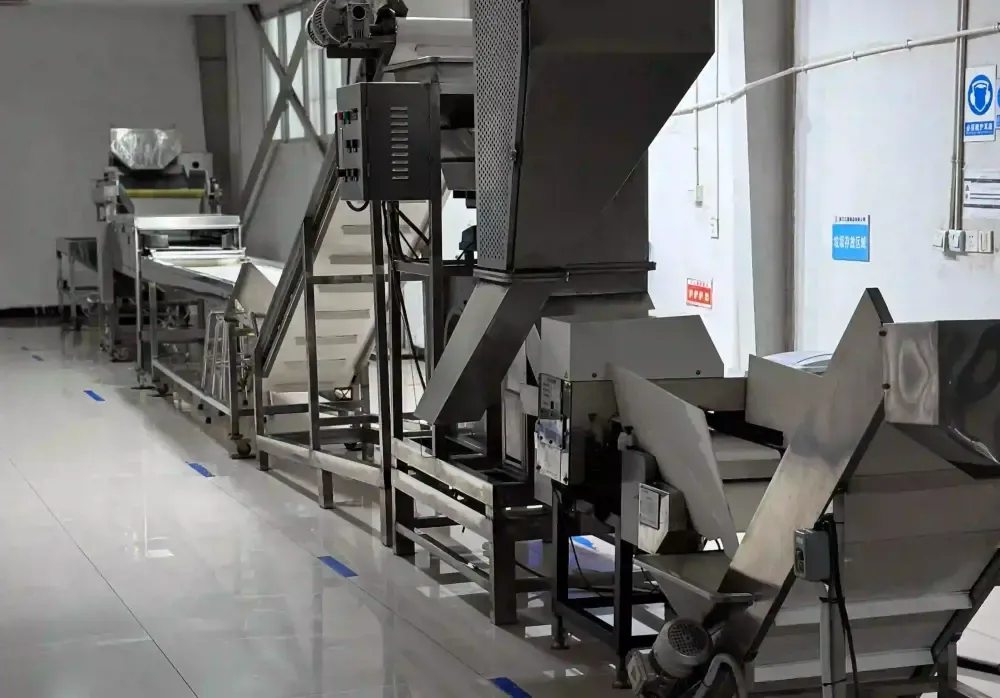
Machine-Dried Shiitake
Drying is where traditional mushroom knowledge meets modern food processing.
Sun drying can contribute to the traditional sensory character associated with dried shiitake, but it is naturally influenced by weather, ambient humidity and drying conditions. Mechanical drying provides much tighter control over temperature, airflow and final moisture, which becomes particularly valuable when a buyer needs thousands of kilograms to conform to one specification.
Research has shown that drying conditions can influence the physical and rehydration characteristics of shiitake mushrooms. The practical lesson for buyers is simple: do not judge the drying method by the word “natural” or “modern.” Judge the finished product.
| Factor | Sun-Dried | Controlled Mechanical Drying | B2B Purchasing Implication |
|---|---|---|---|
| Aroma profile | Traditional sensory character possible | More controllable | Define sensory expectations |
| Temperature control | Weather dependent | Precisely controlled | Important for repeatability |
| Moisture uniformity | Requires careful process management | Easier to standardize | Important for long-distance shipping |
| Production scalability | More limited | Stronger | Better for large-volume contracts |
| Batch consistency | Can vary with conditions | Generally easier to reproduce | Critical for private label |
| Process hygiene | Requires environmental controls | Easier to standardize | Verify HACCP procedures |
| Seasonal dependence | Higher | Lower | Relevant to year-round supply |
Best purchasing criterion Finished quality Finished quality Test the actual lot
For Jiangyuan, the practical solution is not to treat traditional and modern drying as opposing philosophies. Traditional drying knowledge can inform aroma and sensory quality, while controlled drying technology helps maintain predictable moisture and consistency.
That combination matters when a buyer is supplying a supermarket chain rather than making a one-off restaurant purchase.
Why Qingyuan Origin Can Matter to Premium Shiitake Buyers
Origin is another area where international buyers need to look beyond a country name.
Qingyuan has a long-standing shiitake production tradition, and Qingyuan Xiang Gu has geographical-indication protection in China. Official Chinese intellectual-property information also records its protection under the China-EU geographical-indication framework.
That does not mean every mushroom described as “Chinese shiitake” comes from Qingyuan.
For procurement purposes, the distinction matters. A geographic-origin claim should be supported by appropriate documentation and traceability rather than printed casually on a sales quotation.
A professional buyer should ask:
Where was the raw mushroom cultivated?
Can the supplier provide origin documentation?
Is the production lot traceable?
Does the claimed origin correspond with the supplied documentation?
Can origin requirements be written into the purchase specification?
For premium positioning, this is especially important. Origin is not merely a marketing story; it can become part of product identity and verification.
Food-Safety Checks Before Approving a Bulk Shipment
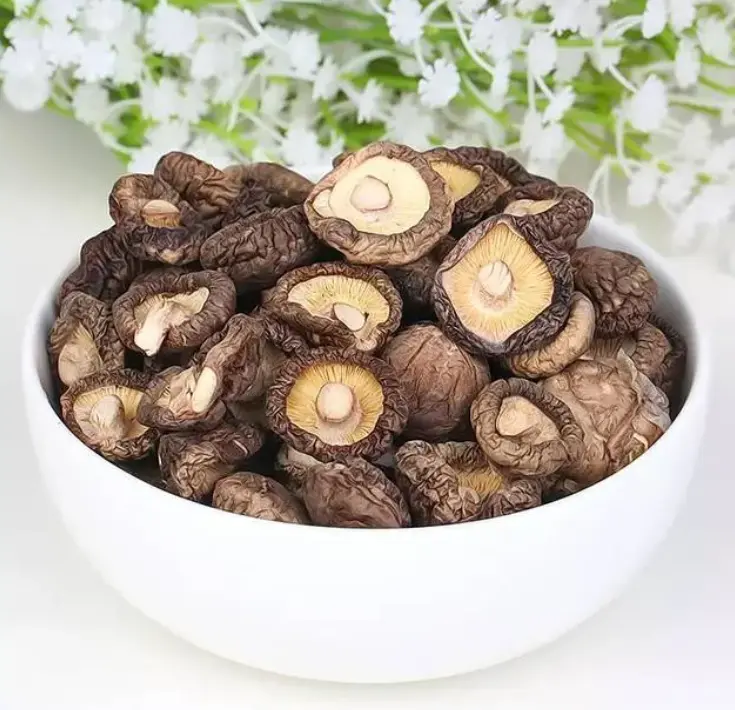
Food-Safety Checks Before Approving a Bulk Shipment
A visually excellent mushroom should never bypass food-safety controls.
For international shipments, buyers should establish a testing program appropriate to the destination market and intended use. This can include pesticide residues, heavy metals, microbiological parameters, moisture, foreign matter and other contaminants identified through the product’s risk assessment.
Codex CXS 39-1981 provides an international reference for dried edible fungi, including dried shiitake. In the European Union, Regulation(EU)2023/915 establishes maximum levels for certain contaminants in food. For the United States, FDA import requirements apply to imported foods, while U. S. importers may also have responsibilities under the Foreign Supplier Verification Programs framework.
This is why a Certificate of Analysis(COA)should be treated as a procurement document, not decorative paperwork.
A useful COA should allow the buyer to identify the product, lot, test parameters, analytical results and testing organization. If a supplier cannot connect a laboratory result to the actual shipment lot, the document has limited value for serious quality assurance.
How to Choose the Best Dried Shiitake Mushroom Grade for Your Application
The best dried shiitake mushroom grade changes according to what happens after the container arrives.
A premium supermarket brand may prioritize beautiful whole caps and highly consistent sizing. A soup manufacturer may care much more about aroma, soluble solids, yield and price per usable kilogram. A seasoning producer can often accept pieces or slices because visual presentation has little commercial value.
For food manufacturers, paying a premium for appearance that disappears during processing is difficult to justify.
For retail brands, buying a low-cost processing grade can create the opposite problem.
The right specification therefore begins with the finished application.
5 FAQs Global Buyers Ask About Dried Shiitake Grades
1.What is the best dried shiitake mushroom grade for wholesale?
There is no universal best grade. For wholesale, the right choice depends on whether the product is destined for retail, foodservice, food manufacturing or ingredient processing. Premium whole mushrooms generally suit presentation-focused applications, while standard or processing grades can provide better cost efficiency.
2.Is Grade A dried shiitake the same from every supplier?
No. “Grade A” is often a commercial designation rather than a globally identical specification. Buyers should request measurable criteria such as cap diameter, thickness, moisture, broken rate, defect limits and origin.
3.Is sun-dried shiitake better than machine-dried shiitake?
Not automatically. Sun drying may offer a traditional sensory profile, while controlled mechanical drying can provide greater consistency and process control. The better option depends on the buyer’s required aroma, moisture, safety and repeatability.
4.How can I verify the quality of a Chinese dried shiitake supplier?
Request a detailed specification sheet, lot-specific COA, origin documentation, traceability information and relevant food-safety records. For larger contracts, a pre-shipment inspection or independent laboratory testing can add another layer of protection.
5.What should I test before importing dried shiitake mushrooms?
At minimum, establish a risk-based testing program covering moisture, pesticide residues, applicable heavy metals, microbiological quality and foreign matter. Additional parameters should be determined according to the product, processing method and destination-market requirements.
Expert Verdict: Specify the Mushroom, Not Just the Grade
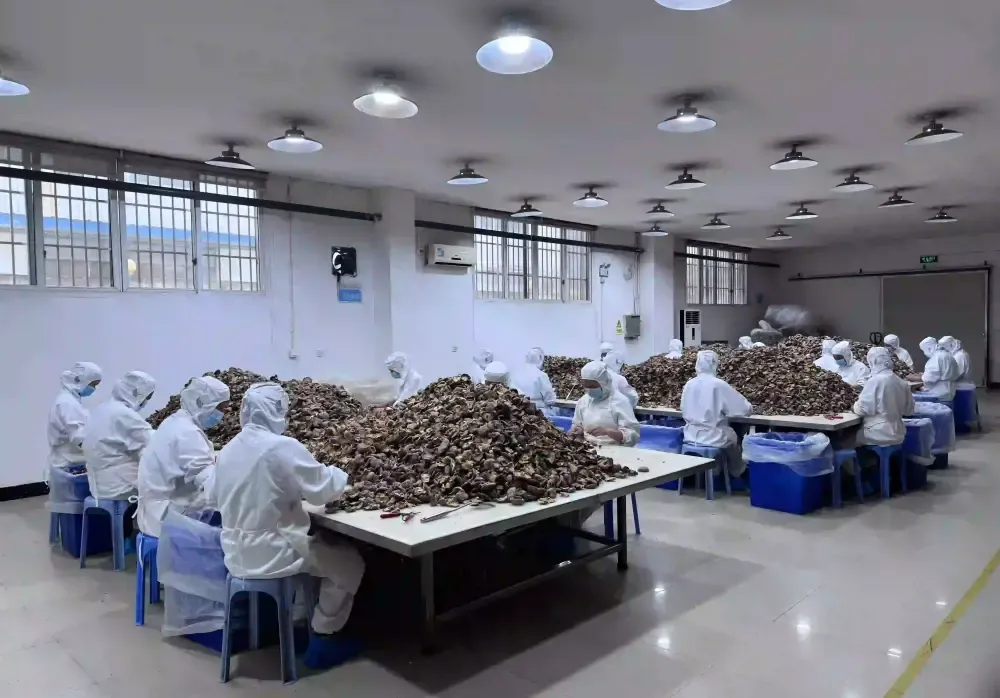
mushroom supplier
The best dried shiitake mushroom grade is the one that matches your application, meets the required food-safety specification and remains consistent across repeated shipments.
For serious B2B buyers, three questions should come before price:
Can you verify the grade? Can you verify the origin? Can the supplier reproduce it at scale?
If the answer to all three is yes, you are no longer buying a label. You are buying a controlled supply specification.
References: