For home cooks, hydrating a handful of mushrooms is an afterthought. For commercial food processors, instant noodle manufacturers, and global wholesale distributors, pinpointing exactly how long to soak dried shiitake mushrooms dictates production schedules, yield ratios, and overall profit margins. We provide the definitive industrial hydration matrix immediately below. Generally, whole premium shiitake requires 12 to 24 hours in cold water (4°C) for maximum structural integrity and umami extraction, 2 to 4 hours in warm water (30°C) for standard high-volume factory processing, and under 30 minutes for sliced or broken commercial grades in hot water (80°C).
Table 1: The Industrial Shiitake Hydration Matrix (Time vs. Temperature)
| Water Temperature | Target Hydration Time | Cellular Integrity & Texture | Flavor Compound (Guanylate) Retention | Primary Industrial Application |
|---|---|---|---|---|
| Cold (4°C-10°C) | 12-24 Hours | Excellent (Firm, meaty, natural cap shape) | Maximum (Peak umami release) | Premium restaurant supply, high-end frozen dim sum, retail organic packaging. |
| Warm (30°C-40°C) | 2-4 Hours | Good (Slight softening, highly consistent) | Moderate (Standard flavor profile) | Mass-market ready meals, frozen food manufacturing, standard catering. |
| Hot (80°C+) | 15-30 Minutes | Poor (Rapid cellular breakdown, mushy) | Low (Significant flavor degradation) | Instant soup bases, commercial mushroom extracts, seasoning powder R&D. |
Standardizing a recipe formulation based on these benchmarks immediately exposes a hidden vulnerability in the global supply chain. Factory procurement managers frequently report a critical pain point: inconsistent commercial mushroom rehydration. One batch absorbs water perfectly and fits the recipe cost structure, while the next shipment from a trading company yields a mushy texture or remains stubbornly tough in the center despite identical soaking times. Based on our 28 years of experience as a primary Qingyuan dried shiitake supplier, we know that true hydration predictability never comes from the soaking tank alone. It originates from rigorous origin control and standardized drying technologies. When your procurement team specifies Lentinus edodes with a strictly enforced moisture content of under 13% and verified Geographical Indication (GI), your production lines run without interruption, and your dry-to-wet yield ratios stabilize.
Beyond the Kitchen Counter: The Industrial Reality of Rehydration
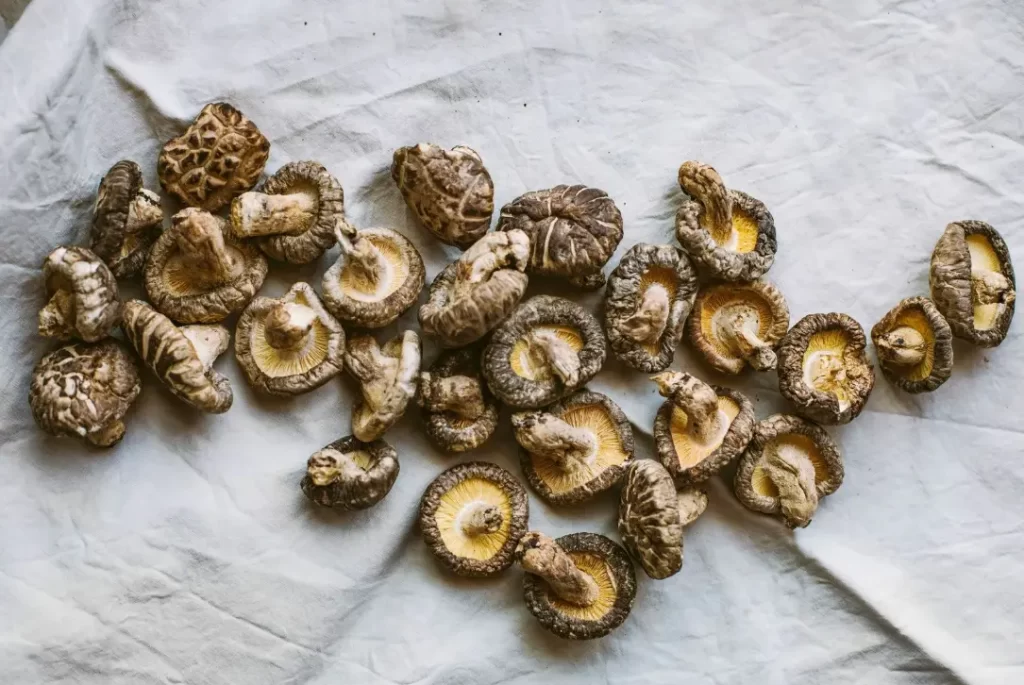
how long to soak dried shiitake
Processing 500 kilograms of raw dried fungi per shift fundamentally alters the physics and safety parameters of rehydration. It is a highly controlled osmotic process. When bulk dried mushrooms enter a commercial soaking vat, the capillary action within the dehydrated stipe (stem) and pileus (cap) begins pulling water inward. If the raw material is sourced from a supplier who mixes different harvest batches, the varying cellular densities will cause chaotic hydration rates.
According to recent FDA import alerts and EU food safety audits, improper bulk soaking parameters often lead to devastating non-compliance. Soaking mushrooms in ambient factory temperatures (20°C-25°C) for extended periods without continuous water circulation can trigger rapid bacterial proliferation. This is why HACCP-certified facilities strictly segregate their hydration processes, utilizing either temperature-controlled cold soaking vats or rapid thermal hydration systems depending on the end-product requirements.
The thickness of the mushroom cap—directly driven by cultivation altitude, diurnal temperature variations, and the specific wood-log or substrate used—dictates this cellular density. Premium thick-cap shiitake (often categorized as Flower Shiitake or Hua Gu) cultivated in the high-altitude ecological zones of Qingyuan possesses an exceptionally tight hyphal network. This dense cellular matrix demands patience. It requires longer cold-soaking cycles but rewards food engineers with a superior 1:4 dry-to-wet expansion ratio and a resilient, meaty texture capable of withstanding the heavy retort processing (sterilization) required in canned goods and shelf-stable ready meals. Conversely, cheap, low-altitude mushrooms feature porous, weak structures that hydrate rapidly but disintegrate entirely during industrial mixing.
The Science of Rehydration: Temperature Matrices and Grading Yields
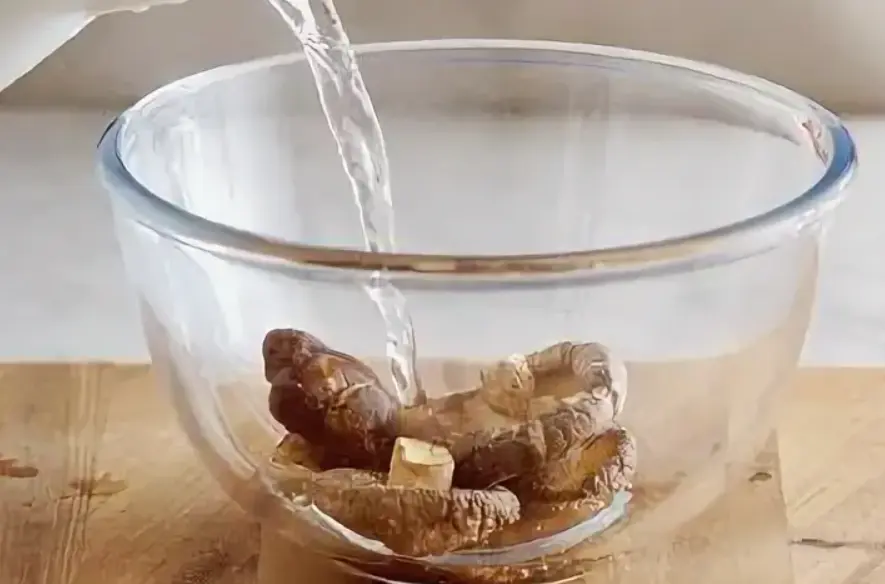
how long to soak dried shiitake mushrooms
Understanding how long to soak dried shiitake mushrooms at a factory level requires matching the thermal dynamics of the water to the precise commercial grade of the mushroom. Water temperature does not just dictate speed; it actively alters the biochemistry of the fungi.
When exposed to temperatures exceeding 60°C, the specific ribonucleic acids responsible for generating the mushroom’s signature umami flavor compound—guanylate—begin to rapidly degrade. Furthermore, high-heat hydration causes the valuable water-soluble polysaccharides (Beta-glucans) to leach heavily into the soaking water. If a food processor discards this water, they are literally washing away the primary nutritional and flavor value of the ingredient. Therefore, cold water soaking remains the gold standard for preserving quality, while hot water is exclusively reserved for applications where the soaking liquid itself will be utilized, such as in industrial mushroom processing for concentrated broth bases.
Equally important is the physical surface area exposed to the water. Wholesale shiitake mushroom hydration times must be calibrated to the specific cut and grade purchased by the procurement team.
Table 2: Rehydration Yield and Application by Commercial Mushroom Grade
| Commercial Grade | Physical Characteristics | Average Soaking Time (30°C Warm Water) | Expected Dry-to-Wet Yield Ratio | Best Suited For (B2B Scenarios) |
|---|---|---|---|---|
| Premium Whole (3-5cm+) | Thick, intact caps, uniform sizing, <13% moisture. | 3-4 Hours | 1:3.5 to 1:4.2 | High-end vegan meat alternatives, premium restaurant chains, whole-ingredient canning. |
| Machine Sliced (3-5mm) | Pre-sliced, consistent thickness, high surface area. | 30-45 Minutes | 1:3.0 to 1:3.5 | Frozen dumpling fillings, instant noodle vegetable packets, automated pizza toppings. |
| Broken Pieces/Diced | Irregular fragments, stems, and cap pieces. | 15-20 Minutes | 1:2.5 to 1:3.0 | Mushroom powder extraction, liquid seasoning bases, industrial sauce manufacturing. |
Time is money on a processing line. For an international food brand manufacturing frozen vegetarian dumplings, tying up factory floor space with a 4-hour soaking cycle for whole mushrooms is highly inefficient. By switching their sourcing contract to standardized Machine Sliced Shiitake with a guaranteed uniform thickness, the factory reduces hydration time to just 45 minutes, dramatically accelerating throughput while maintaining the exact texture required for the dumpling filling. This level of operational efficiency is only possible when the dried shiitake yield ratio is predictable down to the decimal point—a guarantee that solely rests on the grading strictness of the source manufacturer.
| (14%-18%) | Exceptionally High | Poor (Uneven soaking times) | Low (Weather dependent, risk of mold during shipping) | |
| Basic Machine-Drying | Good (Avg. 12%) | Low (Weak aroma) | Excellent (Highly uniform) | High (Volume scalable, but lacks premium flavor) |
| Jiangyuan Hybrid Process | Strictly Standardized (<13%) | High (Optimized flavor retention) | Excellent (Predictable yield ratios) | Maximum (Year-round stability for global export) |
Food Safety Compliance During Commercial Hydration
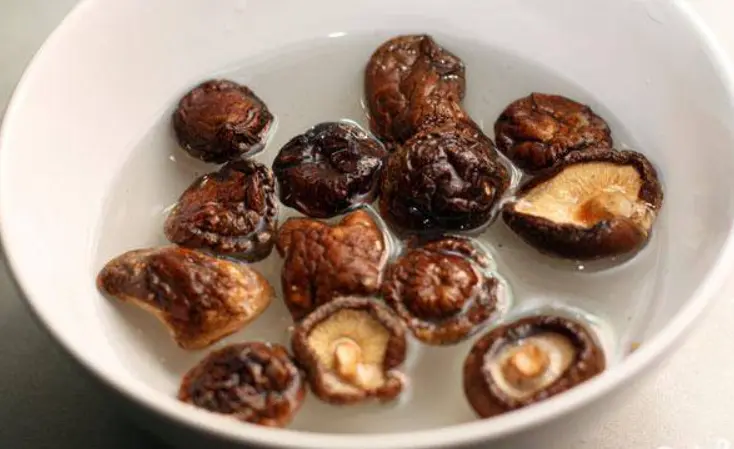
how long to soak dried shiitake
When hydrating organic shiitake mushrooms at an industrial scale, the soaking water becomes a powerful extractor. It will pull out the valuable umami compounds, but it will just as readily pull out illegal pesticide residues and heavy metals if the raw material is compromised. A misstep here doesn’t just ruin a recipe; it triggers devastating product recalls.
According to strict EU MRL (Maximum Residue Limit) directives and FDA regulations, any imported fungi intended for commercial food production must clear rigorous laboratory testing. If a factory sources cheap, untraceable mushrooms and utilizes hot-water hydration to expedite processing, they risk hyper-concentrating trace heavy metals (like Cadmium or Lead) into the soaking liquid—liquid that is often retained for soup bases or sauces.
This is the exact point where a robust Farm-to-Factory Traceability System transitions from a marketing buzzword into a critical legal shield. Procurement managers must demand HACCP and ISO 9001 certified manufacturing documentation prior to shipment. When you control the origin—specifically sourcing from the isolated, high-altitude ecological zones of Qingyuan—you inherently control the soil and water quality, virtually eliminating the risk of heavy metal contamination before the mushrooms ever reach the drying racks.
The Qingyuan Origin Advantage: Securing Your Global Supply Chain
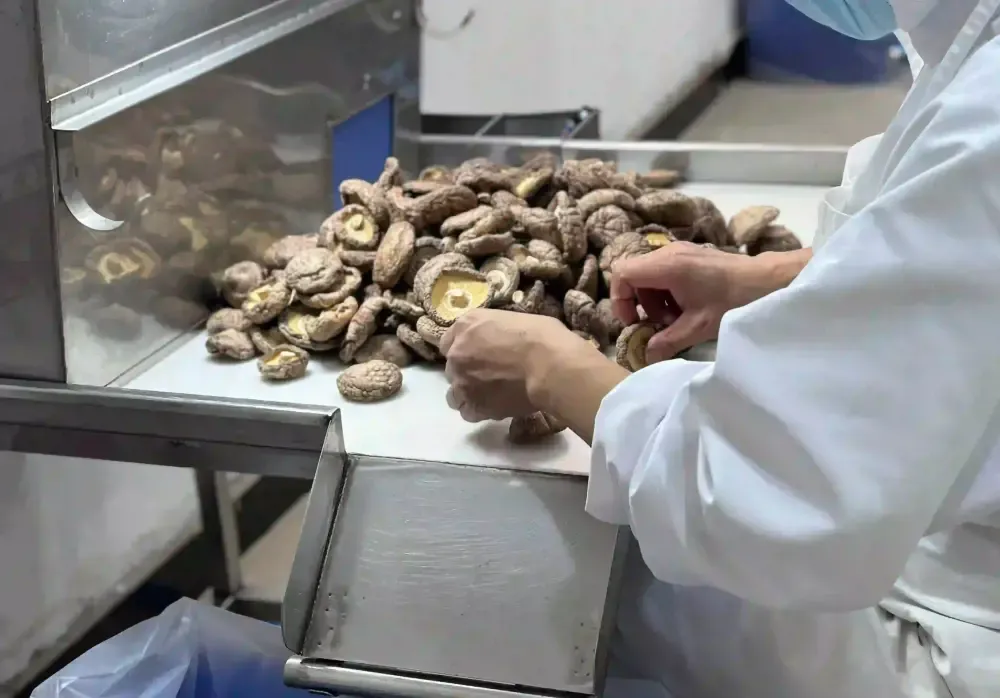
Hands-on quality selection
Zhejiang Qingyuan is globally recognized as the “Mushroom Capital of China,” boasting over 800 years of continuous cultivation heritage. This isn’t merely historical trivia; it is a quantifiable biological advantage protected by a Geographical Indication (GI). The unique microclimate of the Qingyuan mountains—characterized by distinct diurnal temperature shifts and dense forest coverage—forces the Lentinus edodes to grow slowly. This slow growth is precisely what builds the dense, thick-capped cellular structure that yields superior expansion ratios during commercial soaking.
When you partner with a direct manufacturer located at the source, you bypass the volatility of trading companies. We understand that global food brands, organic supermarkets in Europe, and major Asian food distributors in North America do not just buy ingredients; they buy supply chain stability. Whether you require premium whole mushrooms for a retail private label or ten metric tons of standardized broken pieces for extraction R&D, direct source procurement guarantees that your exact specifications—and your exact hydration times—remain consistent year after year.
Frequently Asked Questions for Global Wholesale Buyers
1. Can we utilize the commercial soaking liquid in our final food product formulations?
Absolutely, provided the mushrooms are sourced from a fully traceable, residue-free supplier. The soaking liquid is rich in guanylate and water-soluble polysaccharides, making it a high-value, natural umami enhancer for sauces and broths.
2. How does a moisture content of >13% impact bulk ocean freight and subsequent rehydration?
Excess moisture creates a dual threat. Firstly, it drastically increases the risk of microbial growth and mold during transit. Secondly, mushrooms that haven’t been properly dried will display “spongy” textures that hydrate erratically, throwing off factory processing schedules and yield calculations.
3. Do you provide complete phytosanitary and heavy metal testing certificates for North American and EU customs?
Yes. Every export shipment from Jiangyuan Mushroom is accompanied by comprehensive laboratory analysis, ensuring full compliance with FDA, EU, and global organic import standards.
4. Our factory uses automated mixers; which grade is best to prevent structural breakdown after soaking?
For automated mixing, particularly in dumpling or ready-meal production, we recommend our standardized Machine Sliced Shiitake. The uniform thickness ensures consistent hydration (typically 30-45 minutes in warm water) and maintains sufficient structural integrity to withstand mechanical sheer forces.
5. How long is the shelf life of your dried shiitake before we need to hydrate them for production?
When stored in their original commercial packaging in a cool, dark, and dry environment (relative humidity below 60%), our precisely dried shiitake maintains peak quality and hydration potential for up to 24 months.
Expert Verdict
Stop treating dried shiitake rehydration as a variable in your manufacturing process. Unpredictable soaking times and wildly fluctuating dry-to-wet yield ratios are not natural quirks of the ingredient; they are the direct result of fragmented sourcing and inconsistent drying technologies. To lock in your recipe formulations and protect your profit margins, you must standardize your raw material at the origin level. Demand strict moisture controls (<13%), leverage the structural superiority of the Qingyuan GI, and integrate your procurement directly with a primary manufacturer. When your source is standardized, your factory hydration times become a mathematical certainty.
(Need highly standardized, export-compliant dried shiitake mushrooms for your food processing facility or wholesale distribution network? Contact Jiangyuan Mushroom today for wholesale pricing, custom OEM solutions, and free commercial samples.)
References:
Cornell University — Best Management Practices for Shiitake Cultivation