For commercial buyers, the difference between white and brown Shimeji goes far beyond appearance. The right choice depends on your product application, customer expectations, processing requirements, and supply chain strategy. White Shimeji generally delivers a milder flavor and brighter visual appeal for premium retail packaging, while Brown Shimeji offers a richer umami profile and stronger culinary identity favored by foodservice and processed food manufacturers. From a sourcing perspective, however, consistency in cultivation, food safety compliance, and traceability often have a greater impact on procurement success than the mushroom color itself.
| Procurement Factor | White Shimeji | Brown Shimeji | Commercial Consideration |
|---|---|---|---|
| Appearance | Bright white, premium visual appeal | Light to dark brown caps | Retail branding and shelf presentation |
| Flavor Profile | Mild, delicate, slightly sweet | Richer umami with nutty notes | Menu positioning and recipe development |
| Texture | Tender yet crisp | Firm and resilient | Processing stability after cooking |
| Typical Applications | Fresh retail packs, premium supermarkets | Foodservice, frozen meals, ready-to-cook products | Product portfolio optimization |
| Price Trend | Often slightly higher in premium retail channels | More competitive in bulk purchasing | Cost-performance balance |
| Supply Stability | Dependent on cultivation management | Dependent on cultivation management | Supplier capability matters more than variety |
Professional buyers rarely reject a shipment because it contains White instead of Brown Shimeji. They reject suppliers because batches vary in size, moisture, freshness, or food safety documentation. According to market observations from international fresh produce trade organizations and global retail procurement practices, purchasing decisions increasingly prioritize consistent quality, verified compliance, and long-term supply reliability over minor varietal differences. Based on our experience with supplying international food distributors and industrial food manufacturers, procurement teams typically spend more time evaluating production systems than discussing flavor characteristics.
Why Global Buyers Compare White and Brown Shimeji Before Purchasing
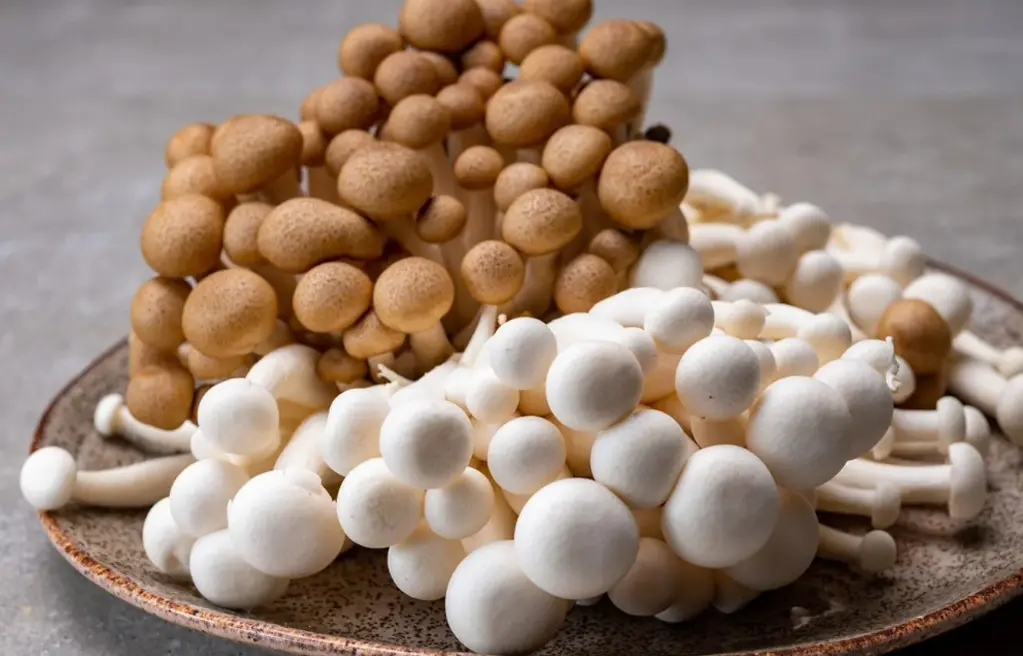
White vs Brown Shimeji
The question behind this keyword is seldom culinary. For procurement managers, it is fundamentally commercial.
Every purchasing decision influences inventory turnover, consumer satisfaction, processing efficiency, and ultimately profit margins. A supermarket chain requires mushrooms that maintain an attractive appearance throughout retail display. A frozen meal producer focuses on texture retention after thermal processing. A sauce manufacturer values flavor consistency between production batches. These requirements may appear unrelated, yet they all point to one common objective: predictable quality.
Based on our experience with export-oriented mushroom supply chains, buyers generally evaluate three dimensions before selecting a Shimeji variety:
- Product performance in the intended application
- Food safety compliance for destination markets
- Supplier capability to maintain identical specifications throughout annual contracts
These considerations become increasingly important as global food regulations tighten. Large retailers and food manufacturers are reducing supplier portfolios and favoring producers capable of delivering standardized products supported by complete traceability records.
Commercial Applications Across Retail, Foodservice, and Food Processing
Although White and Brown Shimeji belong to the same species, their commercial positioning differs because consumer expectations differ across sales channels.
Fresh retail markets often favor White Shimeji because its clean appearance aligns with premium packaging and visually appealing produce displays. Brown Shimeji, meanwhile, is widely selected by restaurants and industrial kitchens where flavor depth often outweighs appearance.
Food processors evaluate additional technical characteristics that consumers rarely notice:
- Water retention after cooking
- Shrinkage during heating
- Uniform stem diameter for automated processing
- Shelf-life stability under refrigerated logistics
For industrial buyers, these measurable indicators frequently carry greater weight than color preference.
How Variety Selection Affects Purchasing Costs and Product Positioning
Selecting between White and Brown Shimeji is also a marketing decision.
Premium supermarket brands often position White Shimeji within high-end fresh produce categories, while Brown Shimeji is commonly incorporated into value-added meal kits, frozen vegetables, soups, and prepared foods.
However, procurement cost should never be evaluated solely by purchase price.
A shipment with inconsistent sizing may reduce packing efficiency. Excess moisture can shorten shelf life. Irregular harvesting increases waste during automated processing. These hidden costs often exceed any price difference between mushroom varieties.
The following framework reflects how experienced procurement teams typically compare sourcing options.
| Evaluation Criteria | Why It Matters | Procurement Priority |
|---|---|---|
| Variety Selection | Product positioning and consumer preference | High |
| Uniform Size | Automated processing efficiency | High |
| Moisture Consistency | Shelf-life and transportation stability | Critical |
| Food Safety Documentation | Import clearance and retailer approval | Critical |
| Traceability System | Recall readiness and compliance audits | Critical |
| Supply Capacity | Contract fulfillment throughout the year | High |
| Packaging Flexibility | Adaptation to different distribution channels | Medium |
| Export Experience | Reduced logistics and documentation risks | High |
Rather than asking which variety is “better,” professional buyers typically ask a more practical question:
Which supplier can consistently deliver the same quality every shipment for the next three years?
That distinction separates consumer purchasing from strategic sourcing.
Understanding White vs. Brown Shimeji: Appearance, Flavor, Texture, and Functional Characteristics
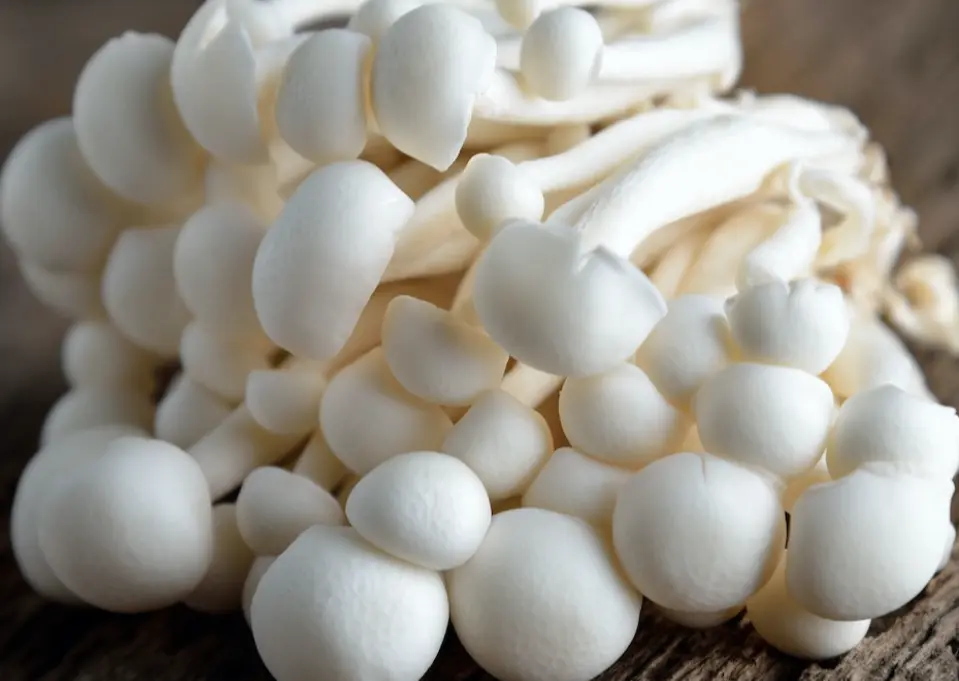
White Shimeji mushrooms
From a botanical perspective, White and Brown Shimeji belong to the same cultivated species, Hypsizygus tessellatus. Their differences are primarily expressed through pigmentation, flavor intensity, and certain commercial characteristics rather than nutritional composition.
According to published food composition studies, both varieties provide dietary fiber, essential amino acids, B vitamins, potassium, and naturally occurring polysaccharides. The nutritional differences between the two are relatively modest compared with the influence of cultivation conditions, harvest maturity, and post-harvest handling.
For importers, this shifts attention toward production management rather than variety alone.
Visual Grading Standards for Commercial Buyers
Appearance is often the first quality indicator assessed during receiving inspections.
Professional quality grading generally includes:
- Uniform cap color
- Consistent stem length
- Closed, intact caps
- Minimal mechanical damage
- Absence of discoloration
- Clean harvesting surfaces without substrate residue
Retail buyers frequently establish strict acceptance criteria because visual consistency directly influences consumer purchasing behavior.
A shipment displaying excessive color variation may still be microbiologically safe, yet fail commercial acceptance standards.
Flavor Profiles in Different Culinary and Industrial Applications
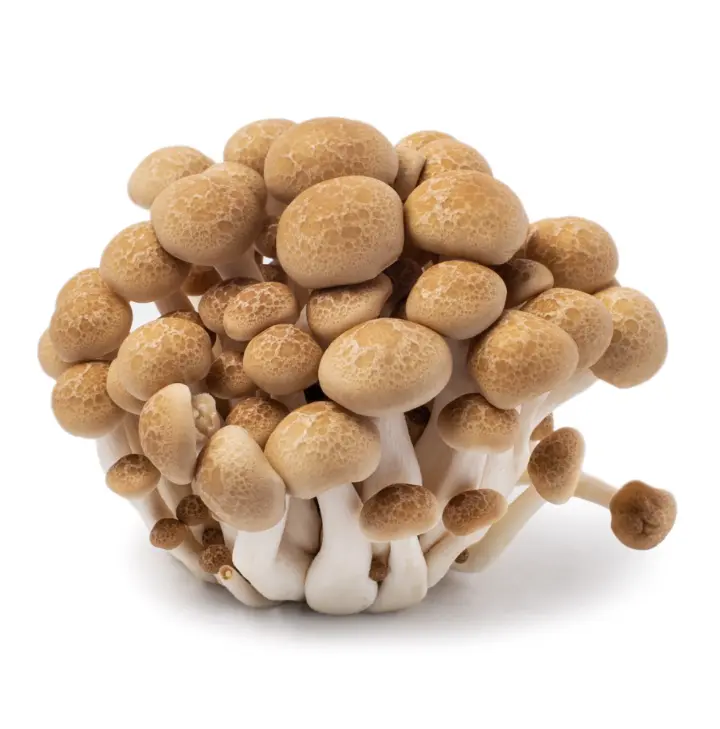
Brown Shimeji mushrooms
White Shimeji develops a mild sweetness after cooking and complements recipes where subtle flavors are preferred.
Brown Shimeji generally delivers stronger umami characteristics with slightly nutty notes, making it suitable for soups, sauces, hot pots, and prepared meals where mushroom flavor should remain distinguishable after processing.
From a manufacturing perspective, flavor stability between harvest batches is often more important than absolute flavor intensity.
Consistent cultivation practices, environmental control, and standardized harvesting schedules contribute significantly to maintaining that stability.
Texture Performance After Cooking, Freezing, and Processing
Texture is one of the most underestimated procurement criteria.
Food manufacturers evaluate how mushrooms behave after steaming, stir-frying, freezing, thawing, or retort processing. Mushrooms that become excessively soft may reduce product quality and increase production losses.
Based on our experience with export customers serving multiple international markets, texture consistency depends less on whether the mushrooms are White or Brown Shimeji and more on factors such as cultivation management, harvest timing, cold-chain control, and post-harvest handling protocols.
For this reason, experienced buyers increasingly audit production systems before evaluating individual product samples. A robust quality management system provides stronger assurance than visual inspection alone, particularly for long-term supply agreements.
Source Matters: How Cultivation Conditions Influence Shimeji Quality Consistency
White and Brown Shimeji may share the same botanical origin—Hypsizygus tessellatus—but identical genetics do not guarantee identical commercial quality. For importers supplying retail chains or food manufacturers, consistency begins long before harvest. It is established through standardized substrate formulation, environmental control, harvest scheduling, and disciplined post-harvest management.
According to industry production studies, fluctuations in temperature, humidity, carbon dioxide concentration, and substrate composition directly influence cap diameter, stem length, texture, and shelf life. These variables become even more significant when products are exported over long shipping distances.
Based on our experience with international OEM and private-label customers, the most reliable suppliers are those operating under standardized cultivation protocols rather than relying solely on seasonal production. Stable environmental management produces predictable mushrooms—and predictable mushrooms reduce procurement risk.
Climate, Substrate Selection, and Controlled Cultivation
Professional mushroom cultivation is increasingly data-driven. Premium Shimeji production combines carefully selected hardwood-based substrates, controlled sterilization, precision inoculation, and automated climate monitoring throughout the growing cycle.
Key production variables include:
- Stable temperature throughout fruiting
- Controlled relative humidity
- Optimized CO₂ concentration
- Uniform substrate density
- Clean water management
- Strict sanitation during cultivation
These factors contribute to more uniform fruiting bodies, stronger stems, and reduced batch variation, all of which improve downstream processing efficiency.
Why Production Expertise Matters More Than Geography Alone
Country of origin remains important, but production capability matters even more.
Experienced producers invest in:
- Standard Operating Procedures (SOPs)
- Continuous quality monitoring
- Skilled cultivation technicians
- Preventive equipment maintenance
- Digital production records
- Batch traceability systems
For buyers managing annual supply contracts, these operational disciplines often determine whether a supplier can maintain consistent specifications across multiple harvest cycles.
Rigorous Harvesting and Post-Harvest Handling: Preserving Freshness for Export Markets
Harvest timing represents one of the most overlooked quality indicators in international mushroom trade.
Harvesting too early reduces flavor development.
Harvesting too late shortens shelf life and increases mechanical damage during transportation.
Professional exporters establish harvest windows based on maturity standards rather than harvesting according to shipping schedules.
Immediately after harvest, mushrooms should enter a controlled post-harvest workflow designed to minimize respiration and moisture loss.
Typical export procedures include:
- Visual grading
- Stem trimming
- Removal of damaged mushrooms
- Rapid pre-cooling
- Hygienic packaging
- Cold-chain storage
- Container loading under temperature control
Maintaining this sequence helps preserve freshness throughout international distribution.
International Food Safety Standards Buyers Should Verify Before Importing
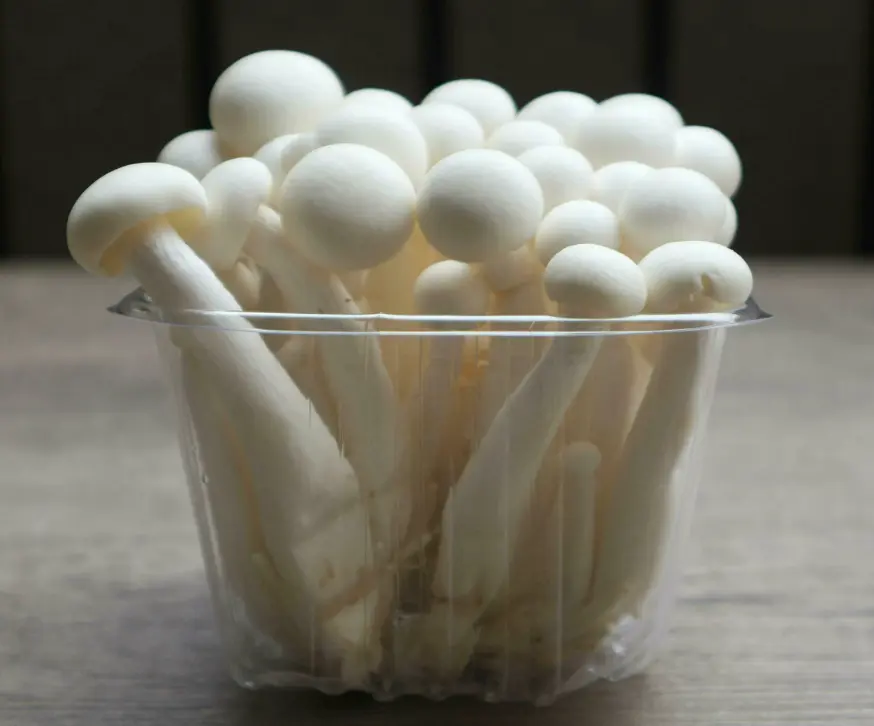
White Shimeji mushrooms
Food safety documentation has become one of the strongest differentiators in global procurement.
Retailers, importers, and food manufacturers increasingly require suppliers to demonstrate compliance through recognized management systems rather than relying solely on product inspection.
A professional supplier should be prepared to provide documentation related to:
- HACCP implementation
- ISO 22000 Food Safety Management
- Batch traceability
- Microbiological testing
- Heavy metal monitoring
- Pesticide residue analysis
- Product specifications
- Certificate of Analysis (COA)
Compliance expectations may differ by destination market, but the objective remains the same: reducing food safety risk throughout the supply chain.
Food Safety Verification Framework
| Quality Control Item | Why Buyers Require It | Typical Verification Method | Commercial Benefit |
|---|---|---|---|
| HACCP System | Prevent food safety hazards | HACCP documentation | Lower audit risk |
| ISO 22000 | Food safety management | Third-party certification | International recognition |
| EU MRL Compliance | Pesticide residue control | Accredited laboratory testing | Easier EU market access |
| FDA-related Documentation | Import compliance support | Product specifications & COA | Faster documentation review |
| Heavy Metal Testing | Consumer safety | ICP laboratory analysis | Reduced regulatory risk |
| Microbiological Testing | Hygiene verification | Salmonella, Listeria, E. coli screening | Improved food safety assurance |
| Batch Traceability | Recall preparedness | Digital lot identification | Supply chain transparency |
| Cold Chain Records | Freshness protection | Temperature monitoring logs | Longer marketable shelf life |
For multinational buyers, documentation is no longer optional—it is part of the product itself.
Traceability and Quality Assurance: Reducing Procurement Risk
Traceability has evolved from a regulatory requirement into a competitive advantage.
Modern food manufacturers increasingly expect every production batch to be traceable from cultivation to shipment. A comprehensive traceability system enables suppliers to identify production dates, cultivation rooms, harvest teams, processing records, laboratory reports, and shipping information within a short period.
This level of transparency supports:
- Faster quality investigations
- Efficient product recalls when necessary
- Greater retailer confidence
- Better inventory management
- Stronger supplier relationships
Based on our experience with export customers, buyers conducting supplier audits often evaluate traceability systems before discussing pricing.
Sustainability as a Competitive Advantage in Global Mushroom Sourcing
Sustainability has become an important procurement criterion, particularly among European retailers and multinational food brands.
Responsible mushroom production increasingly incorporates:
- Resource-efficient water management
- Energy-saving cultivation facilities
- Waste substrate recycling
- Reduced packaging materials
- Continuous environmental monitoring
These initiatives not only reduce environmental impact but also improve operational efficiency and strengthen long-term supply resilience.
For procurement teams with Environmental, Social, and Governance (ESG) objectives, suppliers capable of demonstrating measurable sustainability practices often gain a competitive advantage during vendor qualification.
Procurement Checklist: How Professional Buyers Evaluate White and Brown Shimeji Suppliers
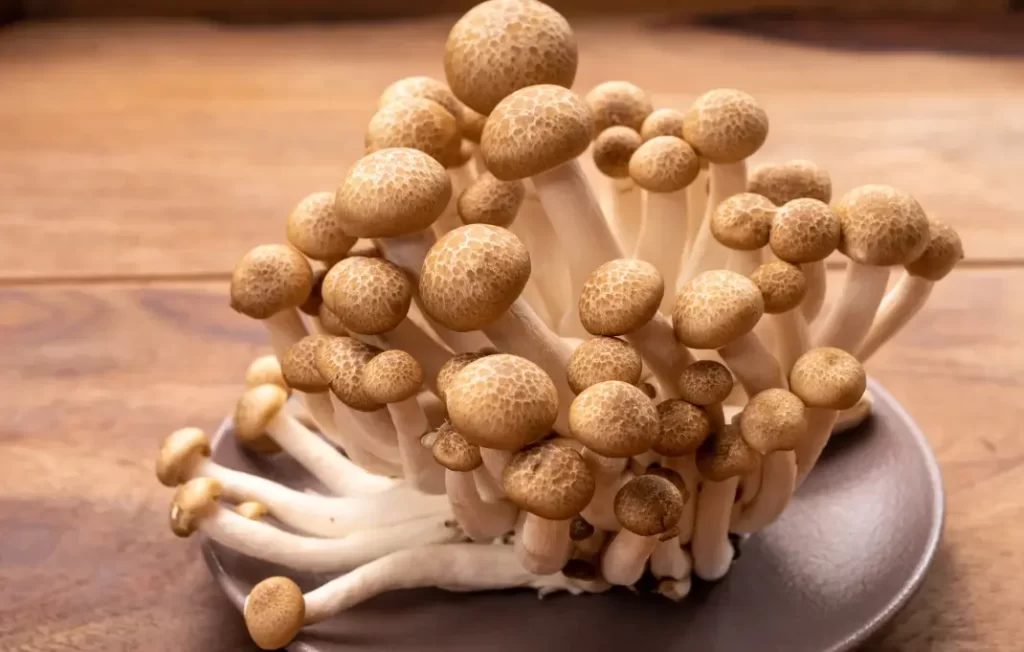
Brown Shimeji mushrooms
Successful procurement decisions extend beyond product samples.
Experienced purchasing teams typically evaluate suppliers across operational, technical, and commercial dimensions.
Supplier Assessment Checklist
- Can the supplier maintain year-round production capacity?
- Are HACCP and ISO 22000 systems fully implemented?
- Are EU MRL and microbiological test reports available?
- Is every shipment supported by complete traceability documentation?
- Are size, moisture, and appearance specifications standardized?
- Does the supplier have proven export experience in target markets?
- Can packaging specifications be customized for different distribution channels?
- Are quality complaints managed through documented corrective actions?
Selecting a supplier capable of meeting these requirements significantly reduces operational risk throughout the product lifecycle.
Choosing the Right Shimeji Variety for Different Commercial Applications
There is no universally superior variety.
The optimal choice depends on commercial objectives.
White Shimeji is well suited for premium retail packaging, gourmet produce displays, and consumers seeking a delicate appearance.
Brown Shimeji performs well in restaurants, prepared meals, frozen foods, soups, sauces, and industrial food manufacturing where stronger umami characteristics are desirable.
For many international buyers, maintaining consistent specifications across repeated shipments ultimately creates more value than selecting one variety over another.
Why Direct Sourcing from an Experienced Manufacturer Improves Long-Term Supply Stability
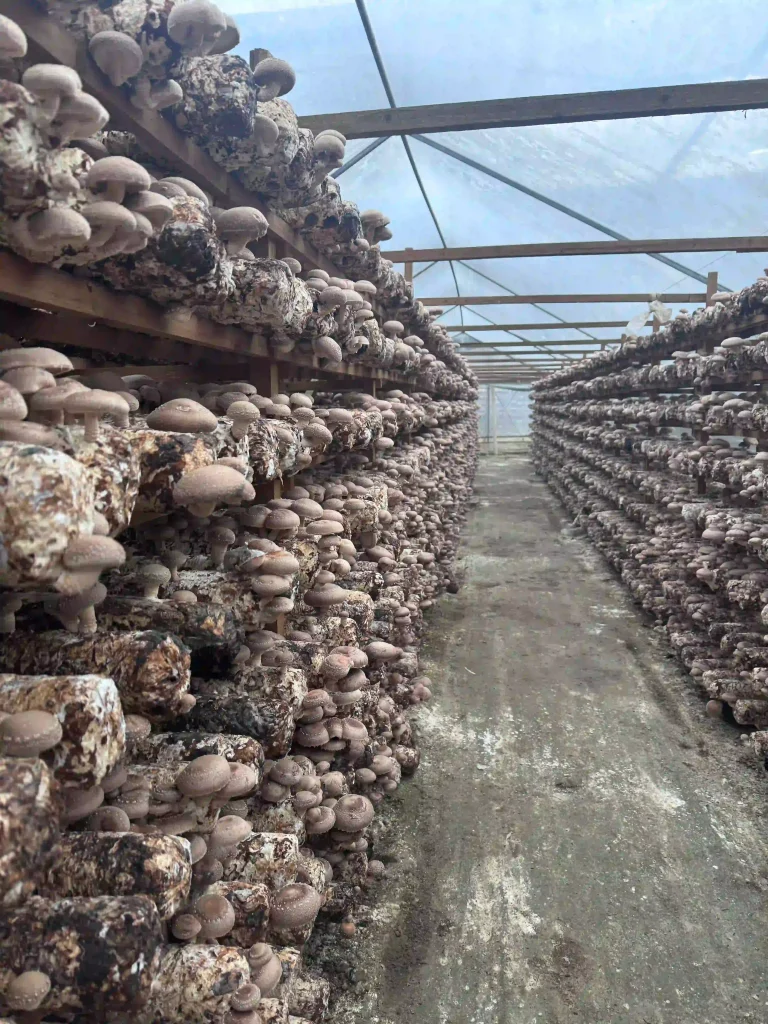
mushroom manufacturer
Working directly with an experienced producer offers advantages that extend beyond pricing.
Direct sourcing improves communication, accelerates technical support, shortens decision cycles, and provides greater visibility into production planning. It also enables buyers to discuss customized specifications, packaging formats, quality standards, and annual supply programs directly with the manufacturing team.
For long-term partnerships, transparency often becomes the most valuable asset.
Suppliers capable of integrating cultivation, quality management, laboratory verification, processing, packaging, and export logistics within one coordinated system are generally better positioned to support international customers seeking stable, scalable supply.
Frequently Asked Questions (FAQ)
1. Which is better for commercial food processing: White or Brown Shimeji?
Brown Shimeji is often preferred for processed foods because its richer umami flavor remains noticeable after cooking, while White Shimeji is frequently selected for premium fresh retail presentations. The best choice depends on your finished product and target market.
2. Do White and Brown Shimeji have different nutritional values?
Their nutritional profiles are broadly similar. Differences in freshness, cultivation management, and post-harvest handling generally have a greater impact on overall product quality than variety alone.
3. What food safety certifications should an international supplier provide?
Professional suppliers should be able to provide documentation related to HACCP, ISO 22000, microbiological testing, pesticide residue analysis, heavy metal testing, batch traceability, and product specifications appropriate for destination markets.
4. How can buyers verify shipment consistency before signing long-term contracts?
Request production specifications, historical quality data, laboratory reports, traceability procedures, sample evaluations, and documentation demonstrating consistent quality across multiple production batches rather than relying on a single sample.
5. What is the most important factor when selecting a Shimeji supplier?
Beyond price and variety, consistent production capability, verified food safety systems, complete traceability, export experience, and reliable year-round supply are the factors that most directly influence procurement success.
Expert Verdict
When comparing White and Brown Shimeji, the variety itself is only one part of the purchasing equation. The stronger differentiator is the supplier behind it. Buyers who prioritize standardized cultivation, internationally recognized food safety systems, full traceability, and dependable production capacity are far more likely to achieve consistent product quality, lower procurement risk, and stronger long-term commercial performance than those selecting suppliers based primarily on price or appearance.
References:
Mushrooms Grades and Standards — USDA Agricultural Marketing Service
Mushroom Good Agricultural Practices — USDA Agricultural Marketing Service