Navigating the global wholesale market for dried Lentinus edodes often feels like a regulatory minefield. Procurement managers at large food processing plants and international supermarket chains routinely battle inconsistent cap thicknesses, volatile moisture levels exceeding 13%, and the looming threat of EU/FDA customs rejections due to heavy metal contamination. To solve these modern supply chain fractures, seasoned buyers trace the product back to the exact geographical source where commercial cultivation began. For food scientists and B2B buyers asking, “who was Wu Sangu, father of shiitake cultivation?”, you are not merely exploring ancient history. You are uncovering the precise agronomic blueprint for authentic, traceable, and premium mushroom procurement.
Sourcing Challenge, The Wu Sangu Historical Principle, Modern B2B Solution (Jiangyuan Standard)
Wu Sangu
| Sourcing Challenge | The Wu Sangu Historical Principle | Modern B2B Solution (Jiangyuan Standard) |
|---|---|---|
| Origin Authenticity & Fraud | Wu Sangu discovered spore behavior in Qingyuan, defining the precise microclimate needed for Lentinus edodes. | Procurement exclusively from Qingyuan Origin GI (Geographical Indication) protected bases. |
| Flavor & Aroma Weakness | The original “cut-log” method relied on natural hardwood substrates to enhance umami. | Selecting mushrooms grown on standardized broadleaf hardwood substrates for high Guanylate content. |
| Pesticide/Heavy Metal Risk | Traditional cultivation utilized untouched, high-altitude mountain forestry. | Modern ecological bases integrated with HACCP & ISO9001 traceability protocols for EU/FDA clearance. |
Based on our 28 years of experience with cultivating and exporting Qingyuan-grown fungi, we know that historical provenance directly dictates modern chemical stability and flavor profiles. B2B buyers who fail to verify the origin of their bulk supplies often fall victim to trading company markups and blended, multi-origin batches that lack aroma intensity. According to UN FAO agricultural heritage data, the unique ecological forestry system pioneered in Zhejiang province remains the global gold standard. When buyers understand the origins of this industry, they make superior procurement decisions that bypass middlemen and guarantee food safety.
The Historical Principle: Who Was Wu Sangu, Father of Shiitake Cultivation?
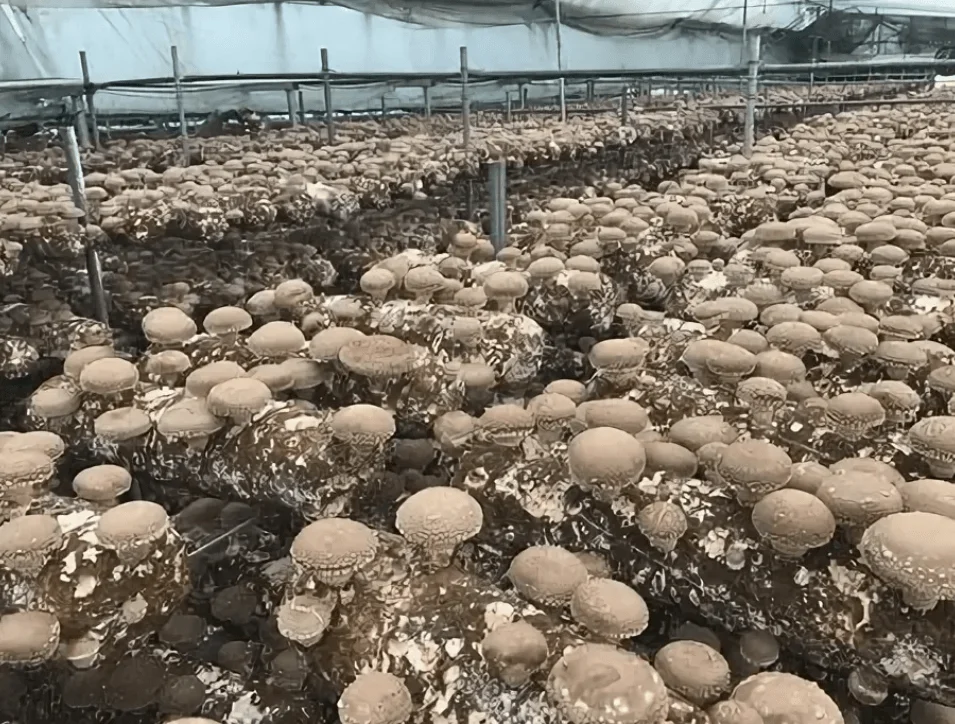
father of shiitake cultivation
To understand why a specific region commands a premium in the global commodities market, we must look at the foundational science of its agriculture. During the Song Dynasty (1127–1279), an observant forester named Wu Sangu, operating in the mountainous regions of Qingyuan, Zhejiang, made a biological breakthrough. Before his time, wild shiitake was a rare, unpredictable luxury foraged from the deep woods.
Wu Sangu developed the “Xianggu” (fragrant mushroom) cut-log cultivation technique. He discovered that by systematically cutting broadleaf evergreen trees and striking the logs with a hatchet, he could stimulate the natural inoculation and fruiting of Lentinus edodes spores. This was not just a rudimentary farming trick; it was the world’s first controlled mycological yield system.
For today’s food ingredient developers, this history matters deeply. The specific hardwood trees indigenous to the Qingyuan mountains provided the exact carbon-to-nitrogen ratio required to produce thick-capped, highly aromatic fungi. Today, while modern substrates have largely replaced whole logs for bulk efficiency, the native fungal strains and the unique high-altitude humidity of Qingyuan continue to produce a biochemically superior mushroom. When you source from the birthplace of Wu Sangu’s methods, you are buying into centuries of genetic selection optimized for maximum flavor and texture.
Overcoming Supply Pain Points: The Qingyuan Geographic Indication (GI) Advantage
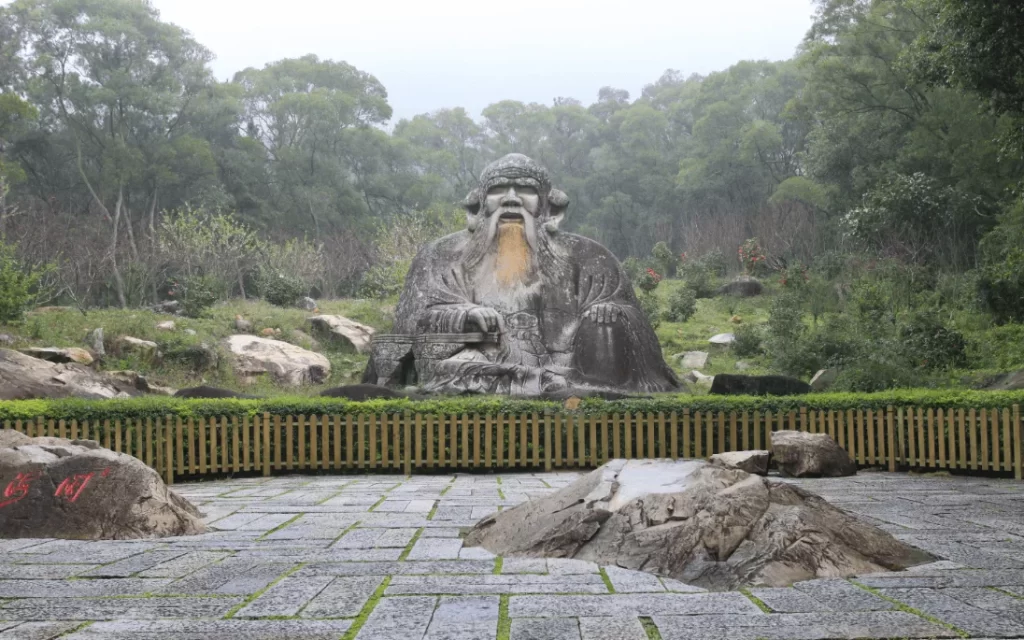
The Qingyuan Geographic Indication (GI) Advantage
A critical pain point for North American and European wholesale buyers is supply inconsistency. You order a container of premium dried shiitake, but upon arrival, the caps are thin, the aroma is flat, and the rehydration rate is poor. This occurs when trading companies blend raw materials from cheaper, non-specialized agricultural zones to cut costs.
The solution lies in leveraging Geographic Indication (GI) protection. Because Wu Sangu established the cultivation epicenter in Qingyuan over 800 years ago, the region has been officially recognized and protected. For private label brands and supermarket chains, marketing your products with the “Qingyuan Origin” guarantees a standard of quality that mass-market alternatives cannot replicate.
Quality Metric
| Quality Metric | Authentic Qingyuan Origin GI | Non-Origin/Blended Cultivation | Impact on B2B Buyers |
|---|---|---|---|
| Cap Thickness | Dominated by thick, fleshy caps (Donggu/Flower Mushroom). | High percentage of thin, fragile caps (Xiangxin). | Determines visual appeal for retail packaging and texture for catering. |
| Aroma Intensity | High concentration of volatile flavor compounds (Lenthionine). | Weak aroma, often requiring artificial flavor enhancers. | Crucial for food manufacturers producing soup bases and sauces. |
| Traceability | Farm-to-Table tracking, strict ecological forestry laws. | Vague origins, high risk of heavy metal soil contamination. | Dictates pass/fail rates at strict international customs (FDA/EU). |
| Price Structure | Manufacturer Direct Supply (Stable bulk pricing). | Subject to multiple trading company markups. | Directly affects the profit margins of global distributors. |
By aligning your procurement strategy with certified Qingyuan sources, you eliminate the guesswork. Food manufacturers avoid the risk of batch-to-batch flavor degradation, and health supplement R&D teams ensure they extract high-quality beta-glucans from raw materials grown in unpolluted, historically verified environments.
The Evolution of Processing: Honoring Wu Sangu’s Legacy with Food Science
While the biological foundations laid down by the father of shiitake cultivation remain untouched, the processing methods required for modern global distribution have evolved significantly. A major concern for overseas procurement managers is mold development during ocean freight and the degradation of nutritional compounds. To meet international standards, the drying process must be meticulously controlled.
The traditional sun-drying method, practiced for centuries in Qingyuan, relies on UV radiation to trigger an enzymatic reaction. This process converts the mushroom’s natural ergosterol into Vitamin D, simultaneously breaking down proteins to generate Guanylate—the core compound responsible for shiitake’s intense umami flavor. However, relying solely on natural sunlight introduces unacceptable variables for B2B supply chains: inconsistent moisture levels and color variations.
Based on our extensive manufacturing experience, modern compliance demands a hybrid approach. At Jiangyuan, we integrate the biochemical benefits of traditional sun exposure with advanced precision machine-drying technologies.
Drying Methodology
| Drying Methodology | Biochemical/Physical Impact | B2B Supply Chain Implication |
|---|---|---|
| Traditional Sun-Drying | High Vitamin D conversion; superior umami generation. | Variable moisture content; risky for long-term storage and ocean freight. |
| Precision Machine-Drying | Exact temperature profiling; consistent color and shape preservation. | Halts enzymatic reactions too quickly if not calibrated; can result in weaker aroma. |
| Jiangyuan Hybrid Standard | Initial natural enzymatic activation followed by strict mechanical dehydration. | Guarantees Moisture Content <13%, ensures uniform grading, and preserves premium aroma for food manufacturing. |
This hybrid processing is critical for food ingredient companies producing vegetarian seasonings, soup bases, and ready-to-eat meals. By strictly maintaining a moisture content below 13%, we eliminate the risk of aflatoxin development during trans-Pacific or Euro-bound shipping routes, ensuring that the raw materials arrive in pristine condition, ready for immediate processing or retail packaging.
Solving the Modern Buyer’s Dilemma: Global Quality Standards (EU/FDA)
Knowing who was Wu Sangu, father of shiitake cultivation, establishes the cultural and biological pedigree of your sourcing. However, clearing international customs requires rigorous scientific validation. The primary anxiety for buyers in North America and Europe is the catastrophic financial loss associated with shipments rejected due to pesticide residues or heavy metals (such as Cadmium or Lead).
Unlike wild-foraged fungi or those grown in unregulated industrial zones, authentic Qingyuan shiitake benefits from a highly regulated ecological environment. However, location alone is not enough for modern compliance. To safeguard global food brands, a closed-loop quality management system is non-negotiable.
Our production protocols are anchored in strict Farm-to-Table traceability. Every batch of premium dried shiitake, whether whole, sliced, or broken pieces destined for extract manufacturing, is tracked from the specific inoculation base in Qingyuan through the final packaging line. By operating under ISO9001 and HACCP certifications, we implement critical control points at every stage: raw material selection, heavy metal screening, mechanical grading, and dehydration. This rigorous testing infrastructure guarantees that our wholesale dried shiitake meets the stringent residue limits set by both the FDA and the European Union, removing the compliance burden from the shoulders of our B2B partners.
Jiangyuan Mushroom: 28 Years of Exporting Qingyuan’s Legacy
Since 1996, Jiangyuan Mushroom has operated as the direct bridge between the historic Qingyuan mountains and the modern global supply chain. For international buyers, partnering with a source-origin manufacturer eliminates the chronic instability of dealing with third-party trading companies.
We understand that different sectors of the food industry require highly specialized product formats. For high-end restaurant suppliers, we provide meticulously graded Whole Mushrooms with thick, uniform caps. For instant noodle manufacturers and frozen food processors, our Sliced Mushrooms and Small Size variations offer rapid rehydration and consistent flavor profiles. Furthermore, for the rapidly expanding health supplement and snack markets, our OEM and Private Label capabilities provide custom packaging solutions—ranging from bulk ingredient supply to retail-ready packaging.
When you source directly from our facilities, you secure factory-direct pricing, guaranteed year-round volume, and the operational flexibility to scale your brand with customized edible fungi products, including Black Fungus and tailored mushroom powders.
Frequently Asked Questions (FAQ) for Global Buyers
1. Why do Qingyuan dried shiitake mushrooms have a stronger aroma than others?
Qingyuan’s unique high-altitude mountain climate, combined with the specific hardwood substrates used in cultivation, naturally enhances the concentration of Lenthionine and Guanylate—the compounds responsible for the intense umami flavor and signature aroma.
2. How do you ensure the moisture content is safe for international shipping?
We utilize a highly calibrated precision machine-drying process that guarantees a moisture content of strictly less than 13%. This standard prevents mold growth and preserves quality during long ocean transits.
3. Are your dried shiitake mushrooms compliant with EU and FDA heavy metal regulations?
Yes. Our cultivation bases are located in protected ecological zones, and our entire processing line operates under HACCP and ISO9001 certifications. We conduct rigorous batch testing to ensure full compliance with international pesticide and heavy metal limits.
4. Does Jiangyuan provide OEM and private label packaging for retail supermarkets?
Absolutely. We offer comprehensive OEM and private label services. Whether you need bulk packaging for food distribution or customized retail packaging for organic supermarket shelves, we tailor the output to your brand specifications.
5. What is the advantage of buying directly from a manufacturer rather than a trading company?
Purchasing directly from Jiangyuan eliminates middleman markups, ensuring competitive factory-direct pricing. More importantly, it provides you with Farm-to-Table traceability, consistent grading, and reliable year-round bulk supply.
Expert Verdict on Shiitake Sourcing
Effective global procurement is not about chasing the lowest price per metric ton; it is about mitigating risk and securing consistent biochemical quality. The 800-year legacy initiated by Wu Sangu is more than a marketing narrative—it is the foundation of the Qingyuan GI advantage. For food manufacturers and wholesale distributors, securing your supply chain means demanding authentic origin, verifiable moisture control (<13%), and uncompromising HACCP traceability. Partnering directly with a certified Qingyuan manufacturer neutralizes compliance anxieties and guarantees the premium flavor profile your end-consumers demand. Focus your sourcing on audited origins, and the quality will protect your market share.
References:
Washington State University Extension — Shiitake Cultivation on Logs
Pennsylvania State University — History & Production Technology of Lentinula edodes